
California tells the Supreme Court the implicit bias ruling is narrow and that review would threaten medical regulation
Medical Board of CaliforniaCalifornia's physician licensing agency, through the brief in opposition filed for its officers by the California Department of Justice
In the brief opposing review, filed for the Medical Board's officers, California says the Ninth Circuit's holding that its continuing medical education program is government speech is narrow and state-specific, and that taking the case would threaten to transform regulation of the medical profession.
“Because that narrow, state-specific ruling is consistent with the precedents of this Court and other courts of appeals, certiorari should be denied. Conversely, granting review and entertaining petitioners' constitutional theory would threaten to transform regulation of the medical profession.”
Original text
Reporting
Where this statement fits
Supreme Court declines to review California's implicit bias requirement for medical education courses; Justices Thomas and Alito dissent
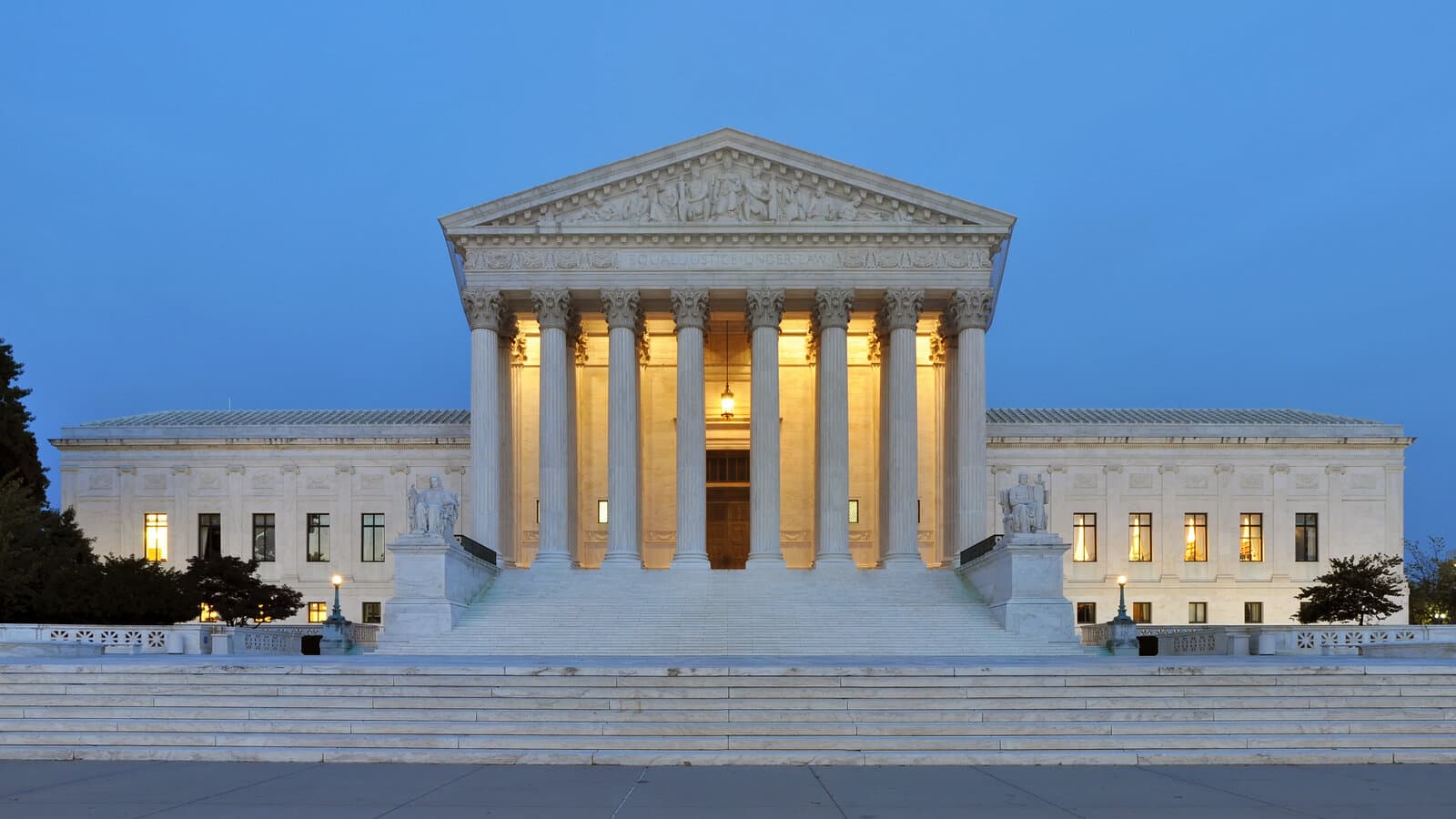
On November 16, 2026, the U.S. Supreme Court declined to hear Khatibi v. Yip, a First Amendment challenge to a 2019 California law that requires continuing medical education courses for physicians to include curriculum on implicit bias. Los Angeles ophthalmologist Azadeh Khatibi, who teaches such courses, and the advocacy group Do No Harm, represented by Pacific Legal Foundation, argue that the requirement forces private instructors to deliver the state's preferred message. A federal district court and the Ninth Circuit held that courses eligible for state credit are government speech, which the Free Speech Clause does not restrict. The denial leaves that ruling in place. Justice Neil Gorsuch would have granted review. Justice Clarence Thomas, joined by Justice Samuel Alito, dissented. Thomas wrote that the Ninth Circuit's reasoning misunderstands the Court's precedents and that the Court should reconsider the government-speech test it described in Shurtleff v. City of Boston, concluding: "A State cannot regulate its way out of First Amendment scrutiny." California, defending the law for the officers of the Medical Board of California, told the Court that the Ninth Circuit's ruling is narrow and that granting review would threaten to transform regulation of the medical profession.
Source and context
Original text
About this source
California's brief for the board's officers asks the Court to deny review. It describes the 2019 implicit bias requirement and its two options for instructors, summarizes the lower-court rulings, and argues that the Ninth Circuit's holding is narrow, consistent with precedent and needed to protect states' authority over physician education.
Archived copy (opens in a new tab)Reporting
About this source
The Hill reports that the challenge fell one vote short of review, quotes Justice Thomas's dissent and a statement from Do No Harm's executive director, and quotes California's court filing arguing that review would threaten to transform regulation of the medical profession.
Archived copy (opens in a new tab)Before the quotation
The brief says the Ninth Circuit held that California's continuing medical education program is a form of government speech, that the holding covers only those requirements and not other professional licensing, and that it leaves the petitioners free to teach whatever they wish in their own expressive capacity.
After the quotation
The brief goes on to say that the petitioners' theory would subject all content-based rules for these courses, in every state, to strict scrutiny, and would imperil longstanding regulations meant to ensure the competence of doctors and protect patient health.
How this statement is classified
The label describes this statement's response within the context above.
Why this label?
The case concerns California's requirement that continuing medical education courses for physicians include implicit bias training, which a doctor and Do No Harm challenged as compelled speech. The board, which administers the requirement, defends the program as the state's own speech meant to keep doctors competent and asks the Court to leave the ruling in place, so we labeled it Stood by it.
- Recorded on
- Published here
More from this case
Read the full caseDo No Harm says doctors should not be compelled to join implicit bias trainings and vows to keep fighting
Do No Harm
“Medical professionals should not be compelled by the government to participate in evidence-free implicit-bias trainings We will keep fighting for constitutionally protected free speech to ensure that healthcare providers are never conscripted to deliver the government's message.”Read statement
Caleb Trotter says Pacific Legal Foundation will keep working so doctors never surrender free speech rights to keep their licenses
“While it's disappointing for our clients, we're encouraged that there is support on the Court to review this issue We'll continue working to make sure doctors never have to surrender their free speech rights to keep their medical licenses.”Read statement
Samuel Alito joins Thomas's dissent from the refusal to hear the challenge to California's implicit bias rule
“Action: Joined Justice Clarence Thomas's dissent from the Supreme Court's denial of review in Khatibi v. Yip, the challenge to California's implicit bias requirement for continuing medical education courses.”Read statement
Share or embed this statement
The embed keeps its attribution link to The Dispute Index. Credit the image to The Dispute Index and link to the statement page.
Cite this record
- Publisher
- The Dispute Index
- Title
- California tells the Supreme Court the implicit bias ruling is narrow and that review would threaten medical regulation
- First published
- Last updated
- Permalink
- https://disputeindex.com/events/9585-in-the-brief-opposing-review-filed-for-the
Last updated marks the most recent saved version of this published statement.
The Dispute Index. "California tells the Supreme Court the implicit bias ruling is narrow and that review would threaten medical regulation". First published: 2026-11-18. Last updated: 2026-11-18. https://disputeindex.com/events/9585-in-the-brief-opposing-review-filed-for-the