
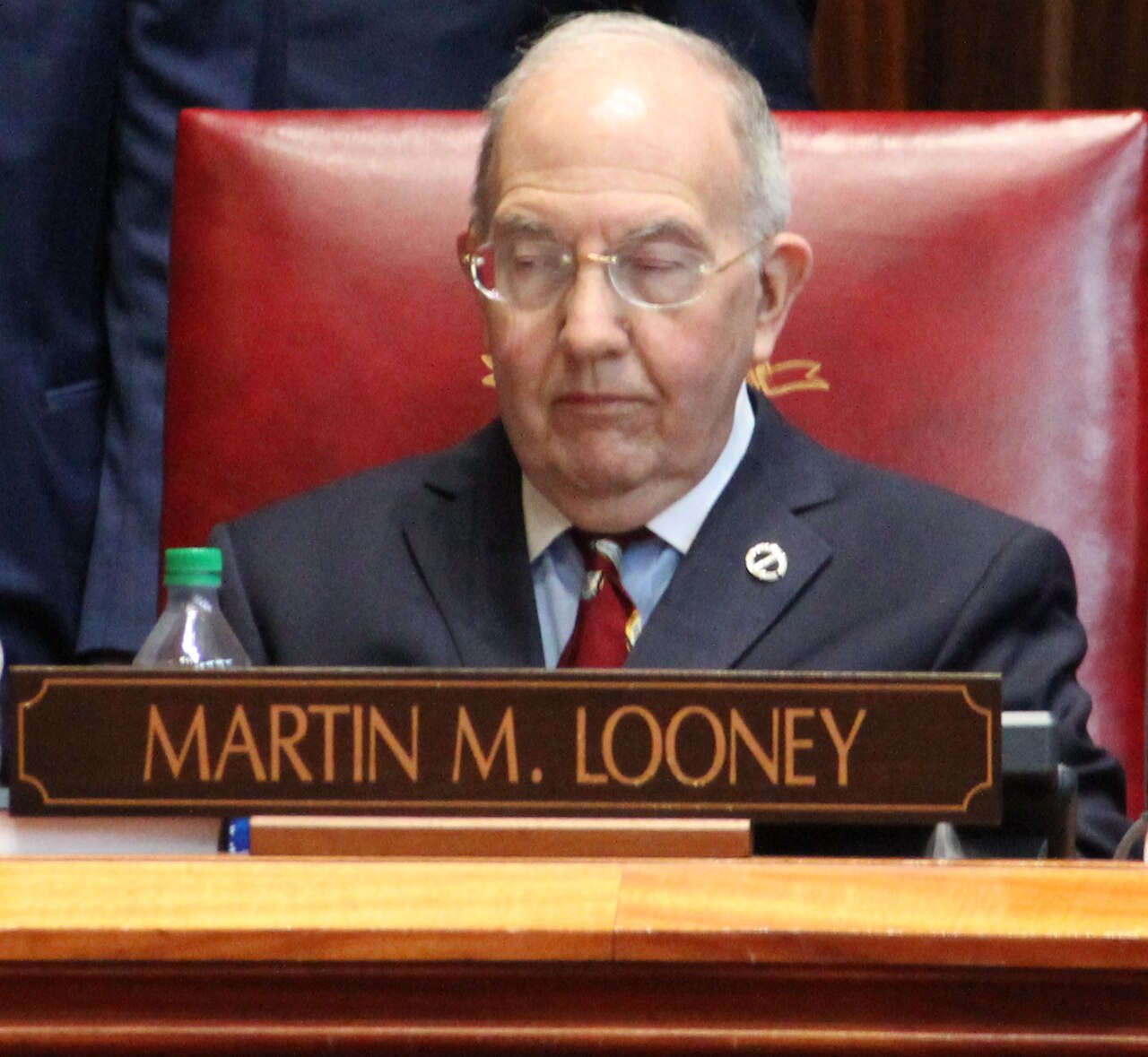
Martin Looney
Role at the time: Connecticut Senate President Pro Tempore
Condemned
Statement summary
Senate President Pro Tempore Martin Looney said ICE's use of masks reflected a lack of confidence in its own mission, contrasting it with the FBI, ATF and federal court marshals, none of which he said wear masks.
“The agency operating ICE inherently understands that some of what they’re doing is shameful, and that’s why they don’t want to be identified. It’s an extraordinary thing for people engaged in law enforcement to think they have to remain anonymous. It means that they don’t have confidence in the morality of their own mission. FBI agents do not wear masks. ATF agents — they don’t wear masks, either. Federal marshals who protect courthouses — they don’t wear masks.”
Open source (opens in a new tab)CT law limits federal ICE agents. Debate is over whether it can it be enforced or needs to changeQuotes from Ritter, Tong, Vaulman (for Governor Lamont), the Hands Off Connecticut coalition, Looney and the Judicial Branch spokeswoman
Why we used this label
Looney criticizes ICE's masking practice as shameful and inconsistent with other federal law enforcement, an express criticism of that conduct.