Patar knightSourceCC BY-SA 4.0Resized and converted to PNG with a plain margin. Source composition or existing crop retained.
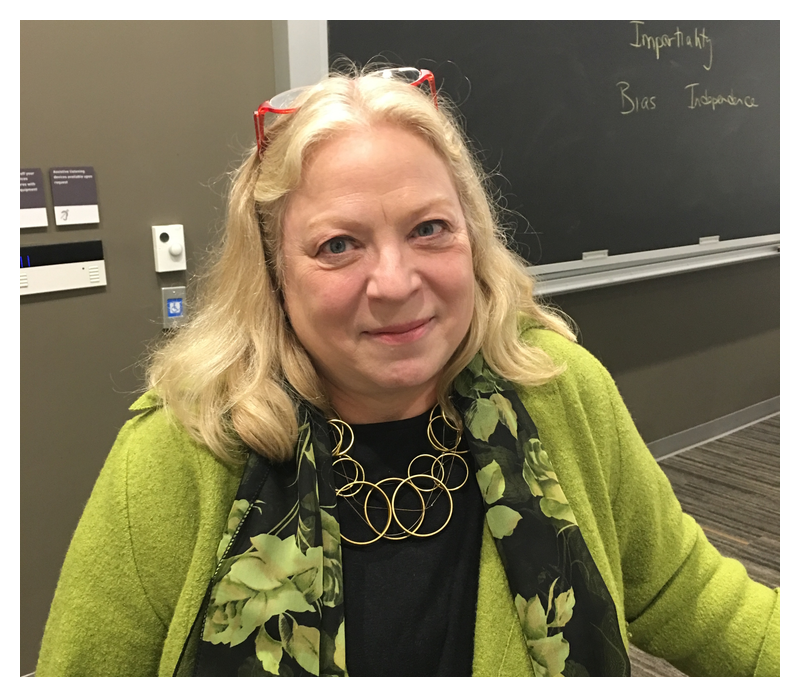
Kim Lane Scheppele is the Laurance S. Rockefeller Professor of Sociology and International Affairs at Princeton University, where she directs the Program in Law and Normative Thinking at the University Center for Human Values. She studies comparative constitutional law and the sociology of law, including constitution-making in Central and Eastern Europe after 1989, the global spread of anti-terrorism law and the use of legal tools by elected leaders to entrench power, which she calls autocratic legalism. Before joining Princeton in 2005, she taught at the University of Pennsylvania Law School.
We have documented 1 statement by Kim Lane Scheppele, in 1 case. Each statement below gives the quotation, its original source and a link to the full case.
Case updates
Want the next important update?
Follow "Tusk defends Poland's tribunal intervention; Ziobro calls it an attack on the state" and get an email when an important development changes the record.
Important updates only. Free. Confirm your email to start. Unsubscribe anytime. How we handle your email.
Role at the time: Laurance S. Rockefeller Professor of Sociology and International Affairs at Princeton University, co-author with Laurent Pech and Maciej Kisilowski of a Verfassungsblog essay
Defended or excused
Statement summary
In a Verfassungsblog essay written with Laurent Pech and Maciej Kisilowski, Princeton professor Kim Lane Scheppele argues that Korwin-Piotrowska acted lawfully as the statutory stand-in for the tribunal's president, and that her orders, which a disciplinary court must review, are a necessary step toward a tribunal that complies with the Polish Constitution and European law. The authors say the step was poorly communicated.
“Legally, however, the intervention marked an important – and necessary – step towards restoring the rule of law. ... Acting under Polish domestic law concerning lawful succession of the Constitutional Tribunal presidency and temporary interruption of judicial duties, Judge Korwin-Piotrowska has taken a lawful – even if poorly communicated – step, subject to judicial review, towards bringing the Constitutional Tribunal back toward compliance with the Polish Constitution and European law.”
Open source (opens in a new tab)Whose Coup? Restoring the Legality of Poland's Constitutional TribunalOpening paragraph; sections on the events of 30 October and on law and the images; closing paragraph
Why we used this label
Even though the authors say the step was "poorly communicated", Scheppele joins Pech and Kisilowski in defending the intervention as lawful and necessary. They say Judge Korwin-Piotrowska took a step "subject to judicial review" toward bringing the Constitutional Tribunal back into compliance with the Polish Constitution and European law.
Korwin-Piotrowska, claiming authority as the longest-serving judge, orders a one-month interruption of Bogdan Święczkowski's duties at Poland's Constitutional Tribunal. He calls it unlawful. Tusk defends decisive action to restore the rule of law; Ziobro calls the events an attack on the state.