
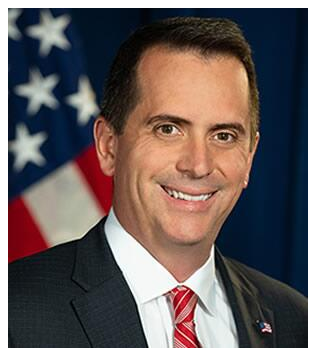
Jonathan Fahey

Portrait of Jonathan Fahey
U.S. Department of Homeland Security; individual photographer not identifiedSourcePublic domainConverted to PNG with a plain margin; subject unchanged.

Jonathan Fahey is a lawyer and former federal and state prosecutor in Virginia who served as the senior official performing the duties of the director of U.S. Immigration and Customs Enforcement in January 2021. He is a principal at the Vogel Group and a partner at the law firm Holtzman Vogel.

What we have documented

We have documented 1 statement by Jonathan Fahey, in 1 case. Each statement below gives the quotation, its original source and a link to the full case.

Case updates

Following the investigation of the Marble Hill ICE shooting?

Get an email if DHS explains why the officer fired, if video of the shooting is released, or if city or state authorities open their own review.

Important updates only. Free. Confirm your email to start. Unsubscribe anytime. How we handle your email.

Statements by Jonathan Fahey

Portrait of Jonathan Fahey

Jonathan Fahey

Role at the time: Former acting director of U.S. Immigration and Customs Enforcement, in an interview with The National News Desk

Defended or excused

Statement summary

Former acting ICE director Jonathan Fahey told The National News Desk that rhetoric calling ICE agents Nazis or terrorists puts agents and the public in more danger, and that the man could have been turned over to ICE after one of his earlier arrests rather than agents having to go out on the street.

“Because when he was arrested for one of his many arrests, he could have been turned over to ICE rather than having them have to go out on the street”
Open source (opens in a new tab)Former ICE official warns anti-enforcement rhetoric puts agents at risk after NYC shooting (The National News Desk via WJAC)Paragraphs quoting Jonathan Fahey's interview with The National News Desk on rhetoric about ICE agents and sanctuary policies.
Why we used this label

Fahey says the man "could have been turned over to ICE" after one of his earlier arrests "rather than having them have to go out on the street". That points to the earlier handling of the man, not the agents, as the reason for the street confrontation.

A participant is a subject of the case. A speaker has a statement documented in it. A commentator has an opinion or editorial documented in it.

Topics in this coverage