
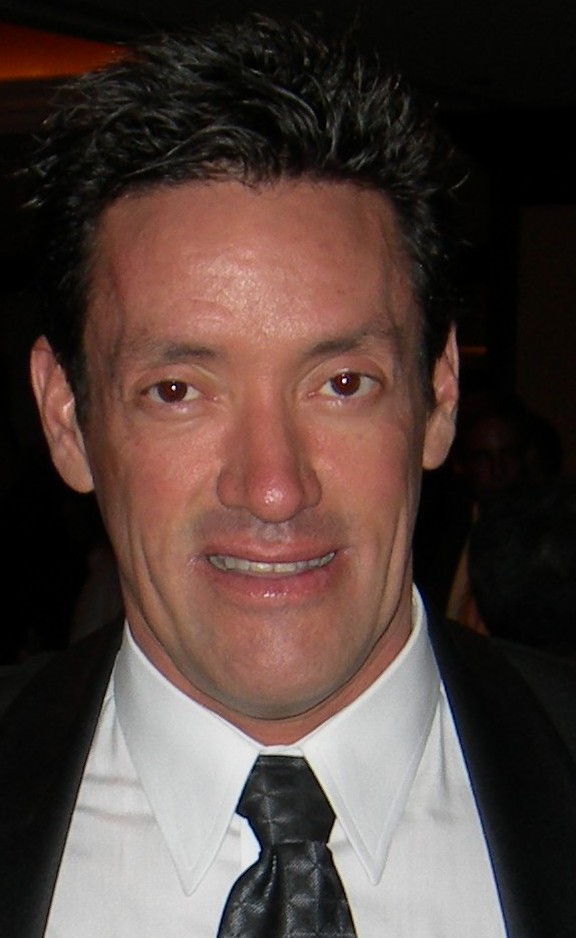
John Duran
Role at the time: Former West Hollywood mayor and candidate for West Hollywood City Council
Defended or excused
Statement summary
Former West Hollywood mayor John Duran said the council majority that approved Flock cameras with amendments took privacy concerns into account and kept data from being shared with ICE, and that the cameras would be carefully regulated.
“The majority that passed the Flock cameras with amendments took those privacy concerns into consideration and made sure that data was not going to be shared with ICE agents The cameras would be carefully regulated and used only to solve the crimes that we need to get solved.”
Open source (opens in a new tab)Candidates vie for three seats on WeHo City CouncilCandidate profiles, each candidate's answer on Flock cameras
Why we used this label
The reference point is whether networked license-plate reader systems such as Flock should exist and be used. Duran supports West Hollywood's current Flock contract and says the council's amendments already addressed privacy concerns, including keeping data from ICE. He defends continued use under the existing rules rather than making his support depend on new limits.