
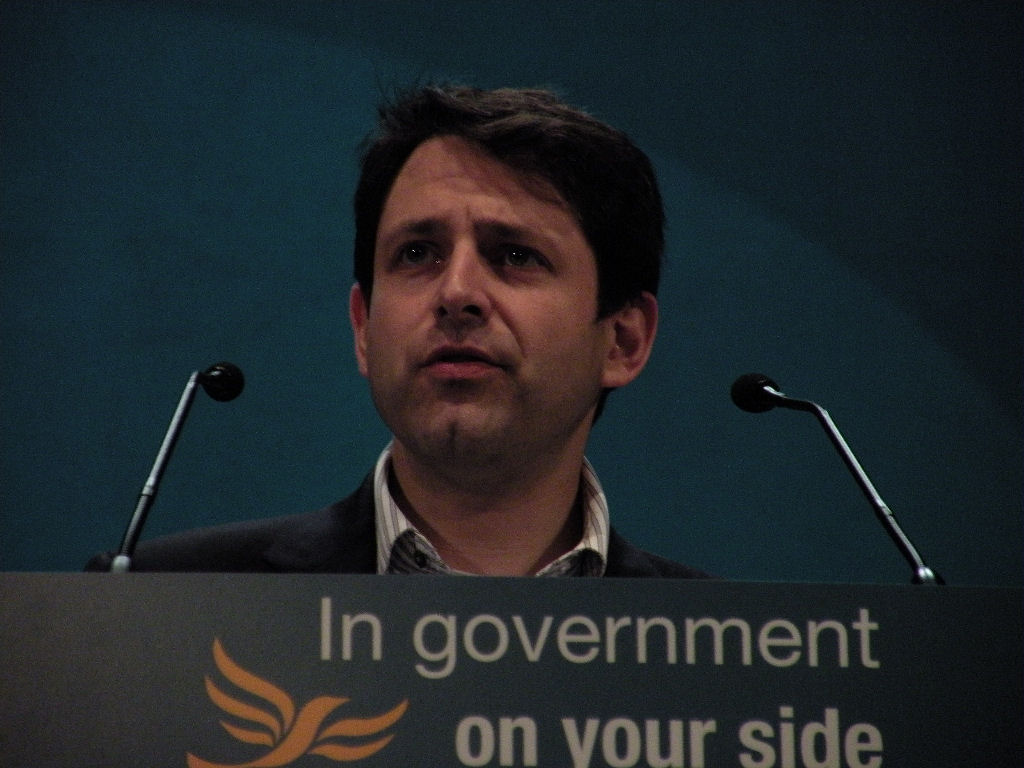
Duncan Hames
Role at the time: Director of policy and programmes at Transparency International UK
Statement summary
Hames, of Transparency International UK, called the two pledges a watershed moment, said the situation was completely out of control, and said it made an irrefutable case for an annual cap on political donations.
“This is a watershed moment, with two billionaires pledging £72m to one political party in less than 48 hours. ... This situation is now completely out of control, and makes an irrefutable case for government to bring forward an annual cap on political donations, and fast.”
Why we used this label
The reference point is Reform UK's acceptance of the two 36 million pound donations from Ben Delo and Christopher Harborne in September 2026. Condemned: Hames presents the two donations as a sign that the situation is completely out of control and as proof that a cap is needed, which criticizes the donations rather than only the rules around them. The closest competing label is Mixed or conditional; it loses because no part of his remark accepts the donations or makes his criticism depend on a condition.