
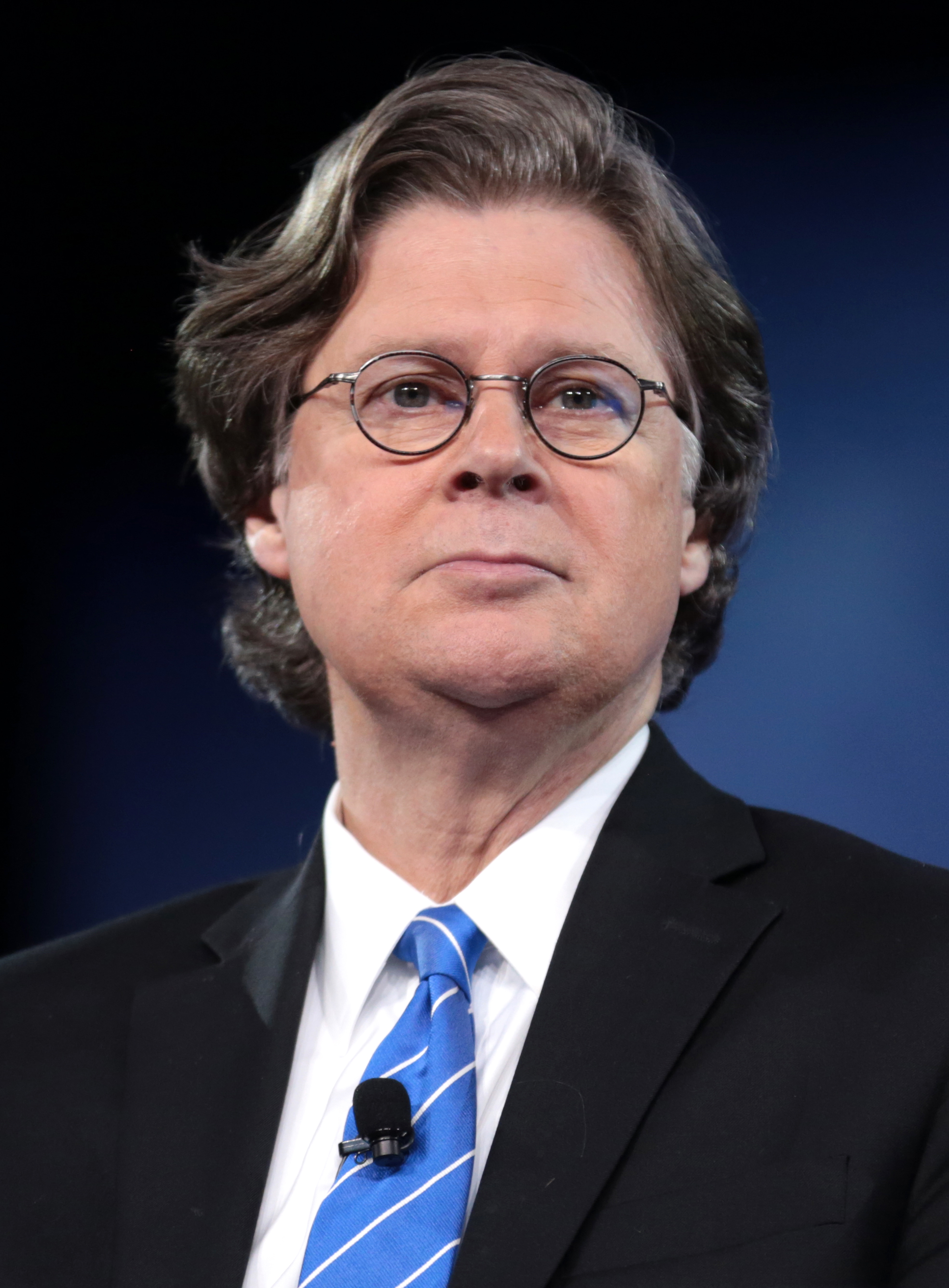
Byron York

Portrait of Byron York
Gage Skidmore / Wikimedia Commons / CC BY-SA 3.0SourceCC BY-SA 3.0Original image stored without alteration.

Byron York is chief political correspondent for the Washington Examiner, an author and a Fox News contributor. He also hosts The Byron York Show podcast.

What DI has documented

DI has documented statements by Byron York on 2026 Midterm Elections, Education, and Free Speech, among other topics. Read the quotations, original sources and related cases below.

Topics in this coverage

Statements by Byron York

Portrait of Byron York

Byron York

Role at the time: Washington Examiner political columnist

Defended or excused

Statement summary

York defends the question and criticizes El-Sayed's ensuing response as misdirection.

“It was a reasonable question.”
Open source (opens in a new tab)Slick Abdul: Byron York defends the town-hall question · Byron YorkOpening assessment and transcript of the Caro exchange
Why we used this label

Relative to asking El-Sayed to disavow the Brotherhood, York expressly defends the question. His position does not establish the truth of the reported family-affiliation allegations.

Portrait of Byron York

Byron York

Role at the time: Washington Examiner chief political correspondent and commentator

Challenged the characterization

Statement summary

York challenged the account that Cornell had imposed no serious discipline, citing expulsions, suspensions and the fraternity's permanent closure.

“Cornell did its own investigation and ruled that the fraternity seven members violated university policies. Two were expelled. Two were given long suspensions.”
Read the original post (opens in a new tab)Byron York distinguishes Cornell discipline from criminal chargesOriginal own-post text; exclude comments and the embedded post's authorship.
Why we used this label

Relative to Cornell's disciplinary response, York disputes a description of what sanctions were imposed. The post does not clearly judge each sanction adequate, so the characterization label is narrower than a full defense.

A participant is a subject of the case. A speaker has a statement documented in it. A commentator has an opinion or editorial documented in it.