
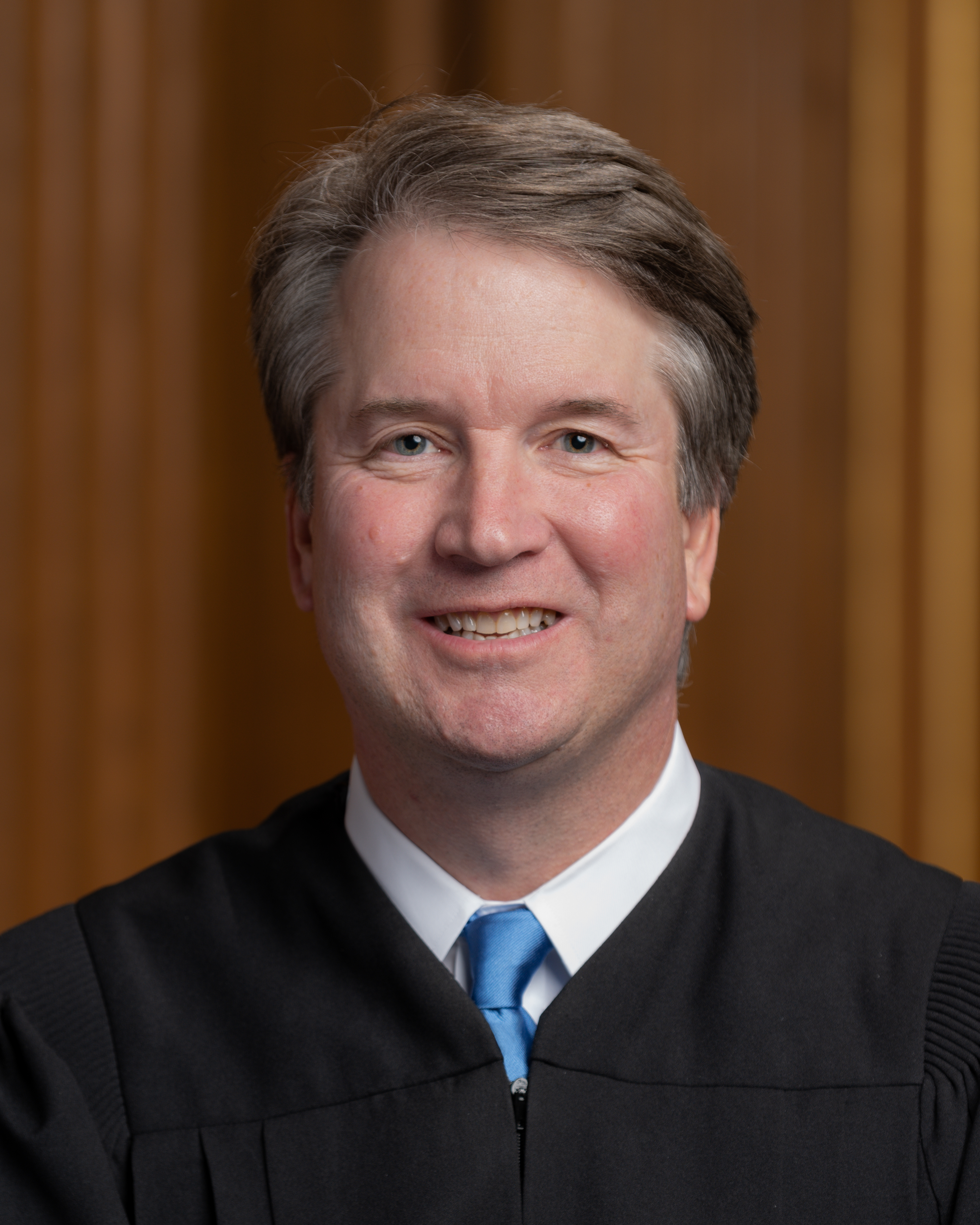
Brett Kavanaugh
Role at the time: Associate justice of the Supreme Court, writing for the six-justice majority
Statement summary
Writing for the Court, Kavanaugh held that after a state seizes personal property and seeks its forfeiture, due process requires a timely forfeiture hearing but not a separate preliminary hearing.
“After a State seizes and seeks civil forfeiture of personal property, due process requires a timely forfeiture hearing but does not require a separate preliminary hearing.”
The Court held 6-3 that, after a state seizes personal property and seeks its civil forfeiture, due process requires a timely forfeiture hearing but not a separate preliminary hearing. Justice Gorsuch, joined by Justice Thomas, concurred while raising broader questions about civil forfeiture. Justice Sotomayor, joined by Justices Kagan and Jackson, dissented.
Archived copy (opens in a new tab)Why we used this label
The reference point is Alabama's practice, defended by Attorney General Steve Marshall, of holding seized cars until the civil forfeiture hearing without a separate preliminary hearing, which the owners argued the Due Process Clause requires. Label: Defended or excused. The majority opinion holds that this practice satisfies due process, because a timely forfeiture hearing is all the Constitution requires. The closest competing label is Mixed or conditional; it loses because the opinion attaches no condition to that holding beyond the existing requirement that the forfeiture hearing be timely.