
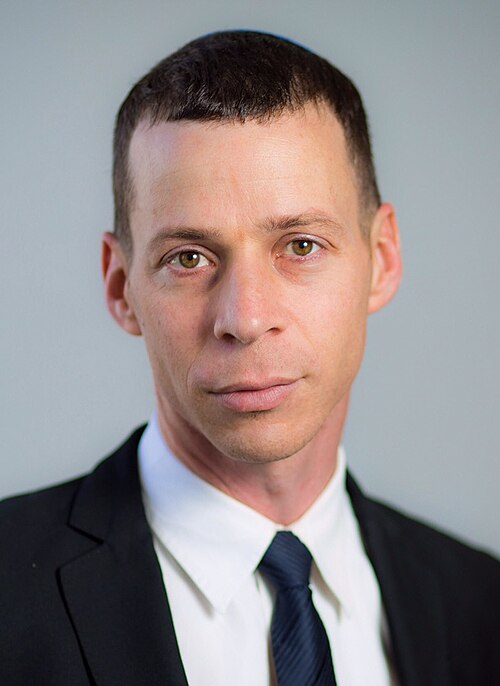
Amit Segal
Role at the time: Political commentator for Channel 12 News and columnist for Israel Hayom
Statement summary
Commentator Amit Segal wrote in Hebrew that, even if one supposes a long call, a very specific warning and a fully accurate Haaretz account, Eldar and Yuval would have urged economic benefits for Gaza rather than targeted killings. He wrote that the book rests on two shaky sources, both aging senior Fatah figures, that responsibility for the tragedy rests fully on the decision-makers, and that Eldar and Yuval are not exempt from a searching self-examination. He also listed three side details of the report that he said were quickly refuted, among them that Egypt did not personally warn Netanyahu.
“And suppose there was a long phone call between the Emirati leader and Netanyahu. And suppose even that a warning was delivered, and that it was very specific. Suppose the entire report by Shlomi Eldar and Ruti Yuval is true ... If Netanyahu had told the cabinet about the call with the Emirati ruler, and if Shlomi Eldar and Ruti Yuval had been ministers, they would have proposed one thing: economic benefits, and under no circumstances assassinations. ... When you scrape away the many anonymous sources, you find that the entire book rests on two shaky sources, two aging senior Fatah officials ... And so, responsibility for the tragedy lies entirely with the decision-makers, but Eldar and Yuval are not exempt from serious soul-searching. (Translated from Hebrew. Original: ונניח שהיתה שיחת טלפון ממושכת בין מנהיג האמירויות לנתניהו. ונניח אפילו שנמסרה אזהרה, והיא היתה ספציפית מאוד. נניח שכל הפרסום של שלומי אלדר ורותי יובל נכון ... אם נתניהו היה מספר לקבינט על השיחה עם שליט האמירויות, ואם שלומי אלדר ורותי יובל היו שרים, הם היו מציעים דבר אחד: הטבות כלכליות, ובשום פנים ואופן לא חיסולים. ... כשמגרדים את שלל הגורמים האנונימיים, מגלים שהספר כולו נשען על שני מקורות רעועים, שני בכירי פת״ח מזדקנים ... ולכן, האחריות לטרגדיה מוטלת במלואה על מקבלי ההחלטות, אך אלדר ויובל אינם פטורים מחשבון נפש נוקב.)”
Why we used this label
The reference point is whether Netanyahu received the reported warning from the UAE president and failed to relay or act on it. Segal does not deny the call. He proceeds on the supposition that the report is fully accurate, argues that the reporters' own preferred policy would not have differed from Netanyahu's, disputes the reliability of the book's sources, and places full responsibility on the decision-makers. Because these positions are combined and the argument rests on an express supposition, we used mixed or conditional rather than defends or excuses. Most of the piece is a critique of Eldar and Yuval and of their sources rather than a view on whether the warning was relayed, so the label reflects only its hypothetical stance on the reference point.