
NYPD says its DNA collection is guided by the law, court rulings and law enforcement best practices
New York City Police DepartmentNew York City's police department, in a statement by spokesperson Sgt. Edward Riley quoted by CBS News
Responding to Legal Aid's lawsuit, the NYPD says its investigations and tactics, including collecting DNA, are guided by the law, case law and the best practices of law enforcement.
Responding to
The NYPD's practice of collecting DNA from items that suspects use or discard and adding the profiles to the Suspect Index without a warrant violates the Fourth Amendment and New York State law.
“The NYPD's investigations and tactics, including the collection of DNA, are guided by what is authorized by the law, the wealth of case law from the courts, and the best practices of the law enforcement community”
Checked word for word against a linked source on .
Reporting
Where this statement fits
Judge upholds the NYPD's collection of DNA from discarded items for New York City's Suspect Index; Legal Aid appeals, backed by NYCLU, ACLU and Cato
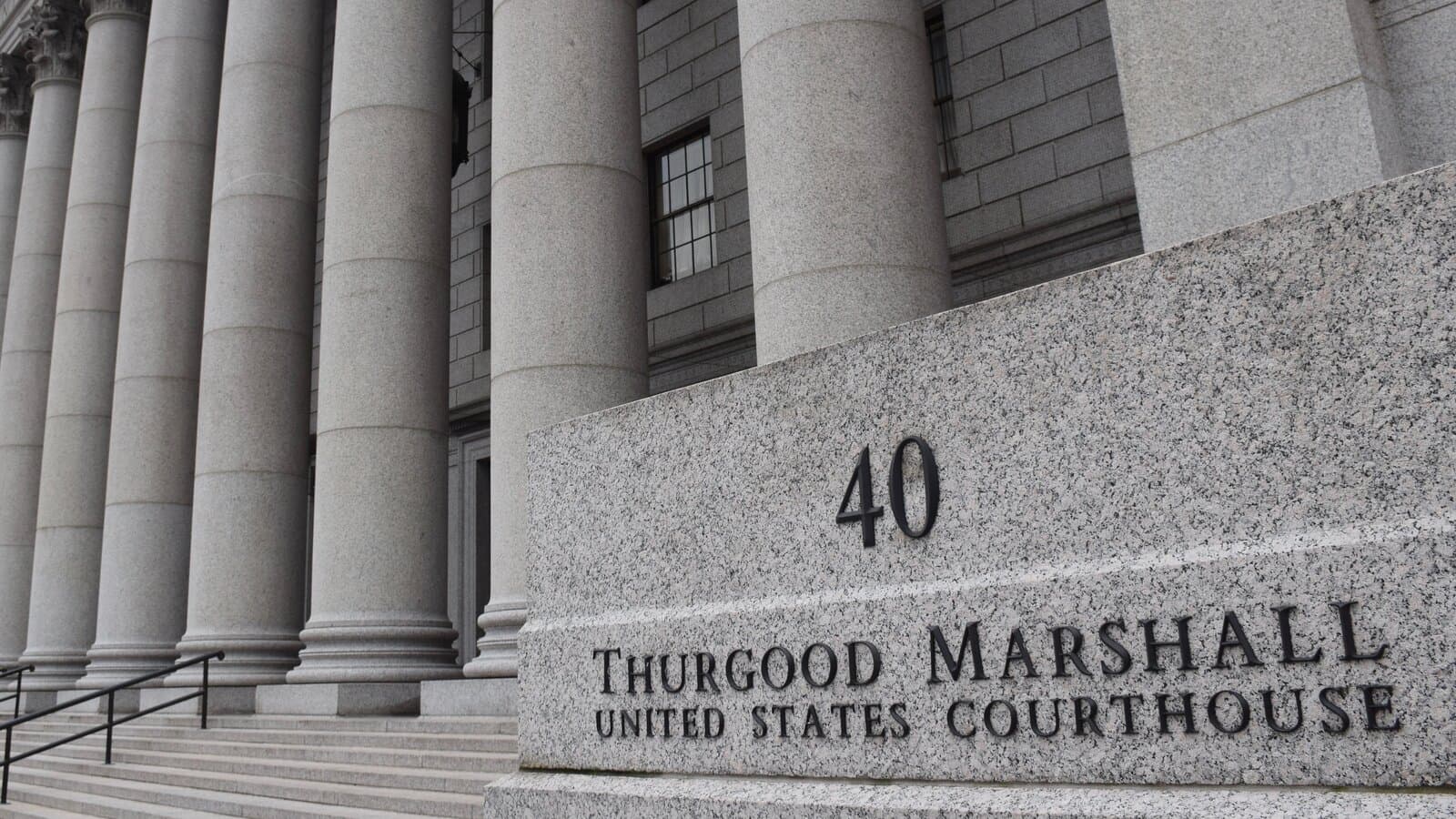
New York City's Office of Chief Medical Examiner keeps a local DNA database known as the Suspect Index, built from DNA that the NYPD collects from people it suspects of crimes, often from cups, cigarettes or other items they use during police interviews. The ACLU says the index holds DNA samples from more than 34,000 people, including children and people who have never been charged with a crime. In March 2022, the Legal Aid Society filed a class action on behalf of Shakira Leslie, whose DNA, according to court papers, police took from a cup of water she was given after waiting 12 hours for food or water in custody. On March 20, 2026, Judge Naomi Reice Buchwald of the Southern District of New York granted the City summary judgment, ruling that Leslie had no reasonable expectation of privacy in the disposable cup, so no Fourth Amendment search occurred. She declined to decide whether the index violates New York's DNA databank law. Leslie's lawyers appealed to the Second Circuit and filed their opening brief on July 23, 2026. The ACLU, the New York Civil Liberties Union and the Cato Institute filed an amicus brief on July 30, and the Legal Defense Fund filed one on July 31. In 2022, the medical examiner's office said the database complies with all applicable laws, and the NYPD said its DNA collection is guided by what the law authorizes.
Source and context
Reporting
About this source
CBS News reports the filing of the Legal Aid Society's class action and carries statements from the city Law Department, the Office of Chief Medical Examiner and NYPD spokesperson Sgt. Edward Riley defending the database and the department's DNA collection.
Archived copy (opens in a new tab)Before the quotation
CBS News reported that the medical examiner's office said the local DNA database complies with all applicable laws.
After the quotation
Riley said the department collects DNA to legally identify the correct perpetrator, build the strongest case possible and bring closure to victims and their families.
How this statement is classified
The label describes this statement's response within the context above.
Why this label?
The NYPD says its investigations and tactics, including collecting DNA, follow the law, court rulings and law enforcement best practices, so we labeled it Stood by it.
- Recorded on
- Published here
More from this case
Read the full caseLegal Defense Fund says the NYPD secretly put Shakira Leslie on a list she could not contest
Legal Defense Fund
“The NYPD secretively took Shakira Leslie's DNA and placed her on a list she could not know of and had no means to contest.”Read statement
NYCLU says the NYPD's DNA database targets Black and brown New Yorkers and violates the Fourth Amendment
New York Civil Liberties Union
“No New Yorker should have their DNA taken illegally and stored in a secret database. This destructive practice disproportionately targets Black and brown New Yorkers and violates our Fourth Amendment rights. No court should allow this intrusion on our privacy.”Read statement
Cato's Matthew Cavedon calls the NYPD's DNA collection for the Suspect Index an affront to privacy
“The secret, dragnet collection of DNA for inclusion on a 'Suspect Index' sounds dystopian. Yet it's an affront to privacy and the presumption of innocence tens of thousands of New Yorkers have already suffered.”Read statement
Share or embed this statement
The embed keeps its attribution link to The Dispute Index. Credit the image to The Dispute Index and link to the statement page.
Cite this record
- Publisher
- The Dispute Index
- Title
- NYPD says its DNA collection is guided by the law, court rulings and law enforcement best practices
- First published
- Last updated
- Permalink
- https://disputeindex.com/events/9669-responding-to-legal-aid-s-lawsuit-the-nypd
Last updated marks the most recent saved version of this published statement.
The Dispute Index. "NYPD says its DNA collection is guided by the law, court rulings and law enforcement best practices". First published: 2026-11-18. Last updated: 2026-11-18. https://disputeindex.com/events/9669-responding-to-legal-aid-s-lawsuit-the-nypd