
Rick Moran calls The Front Line Action's defense of its El-Sayed ad true and sees no problem with labeled deepfakes
Rick MoranConservative columnist writing in PJ Media
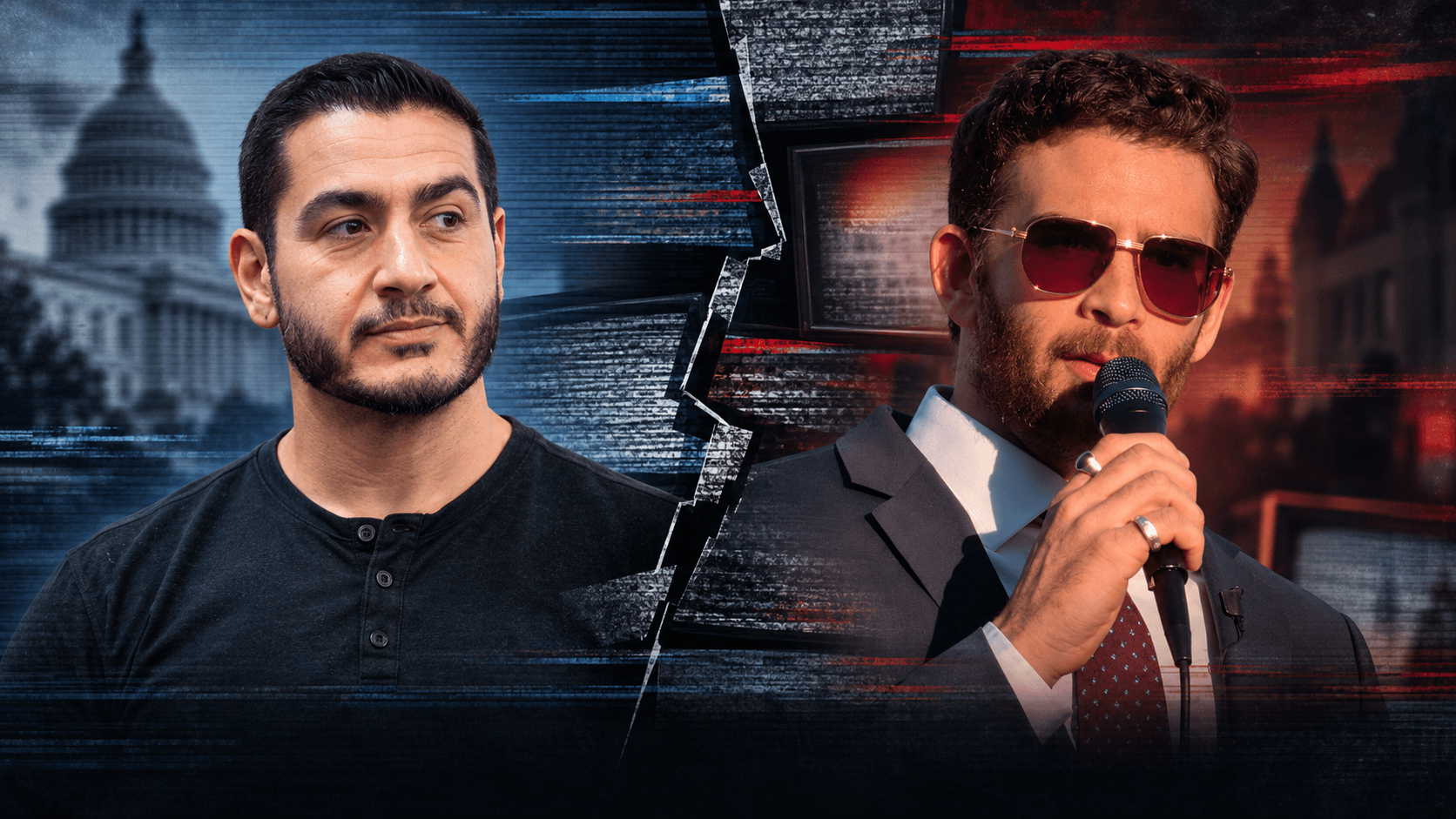
In a PJ Media column, Rick Moran quoted The Front Line Action's statement that its ad was grounded in El-Sayed's public statements and in records about him and people around his campaign, and called it all true. He wrote that because AI was used, critics could attack the ad on that ground rather than as an exaggeration of the truth. He said one ad, an AI deepfake showing El-Sayed in a "family photo" with Hasan Piker and four women in burqas, "may have crossed a line in dishonesty." He ended the column by saying he sees no problem with a deepfake labeled as such.
“All true. But because some of the ad was created using AI, critics can attack it that way rather than as an exaggeration of the truth.”
Checked word for word against a linked source on .
Analysis
Reporting
Where this statement fits
Did The Front Line Action's “Family Values” ad use Islamophobic stereotypes against Abdul El-Sayed?
On September 11, 2026, The Front Line Action uploaded a 30-second ad opposing Abdul El-Sayed in Michigan's U.S. Senate race. The AI-generated video depicts El-Sayed with his half-sister and commentator Hasan Piker, uses anti-American and 9/11-related messages, and alleges troubling views or connections among people close to him. Political scientist Nazita Lajevardi told The Washington Post that the ad's framing drew on a narrative portraying Muslims as a security threat. Asked by The Lever whether the ad exploited anti-Muslim sentiment, Front Line leader Arielle Klepach asked which imagery was Islamophobic; the outlet reported no further response. The case covers the ad's portrayal of El-Sayed. It makes no finding that he endorses the views the ad attributes to others.
Source and context
Analysis
About this source
Rick Moran's PJ Media column on AI-generated campaign ads in the 2026 midterms. It covers ads in the Georgia, Michigan, New York, Pennsylvania and Texas races, quotes The Front Line Action's statement to CNN about its ad against Abdul El-Sayed, and ends with Moran's view that a deepfake labeled as AI is acceptable.
Archived copy (opens in a new tab)Reporting
About this source
Agence France-Presse report, published by France 24, on AI-generated political ads in the 2026 midterms. It describes The Front Line Action's ad against Abdul El-Sayed, including its board-game scene and a fabricated family photo, and gives Wesleyan Media Project figures on AI ad spending and disclosure.
Archived copy (opens in a new tab)Before the quotation
Moran's column surveyed AI-generated ads in the 2026 midterms. He wrote that El-Sayed is "easy pickings" and quoted Axios's description of a board-game scene with El-Sayed's half-sister and Hasan Piker.
After the quotation
Moran described the family photo and the board-game scene as two ads. AFP reported that The Front Line Action's ad contains both, including a fabricated family photo of El-Sayed with four women in head-to-toe veils, and that it carries a disclaimer saying it was created in whole or in part with artificial intelligence.
How this statement is classified
The label describes this statement's response within the context above.
Why this label?
Moran calls The Front Line Action's account of its ad "All true" and says a deepfake labeled as AI poses no problem, so we labeled it Defended or excused. His one reservation is that the family photo may have crossed a line, which is too narrow to make his column a mixed one.
- Recorded on
- Published here
More from this case
Read the full caseCarlyn Beccia mocks The Front Line Action's AI ad and its invented photo of veiled women
“In Michigan, a Ted Cruz-aligned PAC, Front Line Action, made a deepfake ’90s sitcom ad straight out of an SNL skit. ... A family photo of four women in head-to-toe veils hangs on the wall, which the AI made up because apparently El-Sayed’s actual family wasn’t scary enough.”Read statement
Jacob Weindling puts The Front Line Action's AI ad among Republican attacks on El-Sayed he calls rank Islamophobia
“An AI ad picturing Democratic candidate Abdul El-Sayed (AES) playing a game with Hasan Piker holding cards reading “Death to America” is on the air thanks to GOP super PAC Front Line Action. ... The only consistent campaign message Republicans have demonstrated in this race is rank Islamophobia”Read statement
Front Line Action defends the ad's substantive basis
The Front Line Action
“The substance of the ad is grounded in El-Sayed’s own public statements”Read statement
Share or embed this statement
The embed keeps its attribution link to The Dispute Index. Credit the image to The Dispute Index and link to the statement page.
Cite this record
- Publisher
- The Dispute Index
- Title
- Rick Moran calls The Front Line Action's defense of its El-Sayed ad true and sees no problem with labeled deepfakes
- First published
- Last updated
- Permalink
- https://disputeindex.com/events/9120-in-a-pj-media-column-rick-moran-quoted
Last updated marks the most recent saved version of this published statement.
The Dispute Index. "Rick Moran calls The Front Line Action's defense of its El-Sayed ad true and sees no problem with labeled deepfakes". First published: 2026-11-15. Last updated: 2026-11-22. https://disputeindex.com/events/9120-in-a-pj-media-column-rick-moran-quoted