
Solicitor General D. John Sauer tells the Supreme Court that Congress clearly authorized the border waivers
D. John SauerSolicitor General of the United States, in the government's application to the Supreme Court
In the government's application, Sauer argues that even if the waiver power raises a question of vast significance, Congress clearly authorized the secretary to build border barriers and waive legal requirements to speed their construction.
Responding to
Congress clearly authorized the Secretary of Homeland Security both to build border barriers and to waive legal requirements to speed their construction, so the Big Bend waivers raise no major-questions problem.
“This is no major-questions case. Even assuming that the Secretary’s waiver authority implicates a question of “vast economic and political significance,” Congress did clearly authorize the Secretary both to build border barriers and to waive legal requirements in order to facilitate their expeditious construction.”
Original text
Where this statement fits
Supreme Court lets border construction resume in Texas's Big Bend while a waiver lawsuit continues; the Center for Biological Diversity condemns the order, and DHS's top lawyer welcomes it
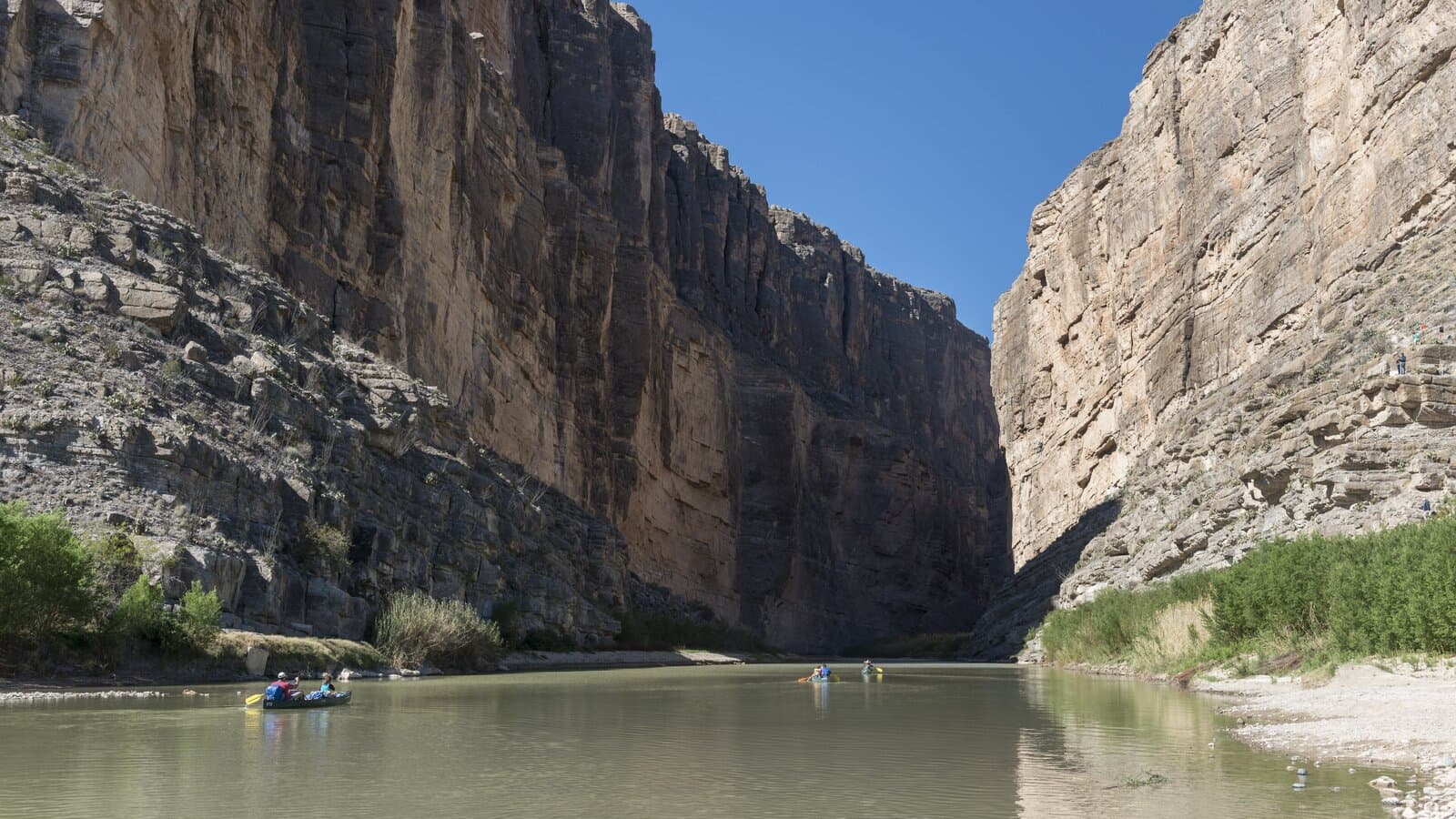
On November 9, 2026, the Supreme Court granted the federal government's request to pause a preliminary injunction that had blocked border barrier and road construction in the Big Bend Sector of Texas, which includes Big Bend National Park. In an unsigned opinion in Mullin v. Friends of the Ruidosa Church, the Court said the government was very likely to win its argument that the district court lacked jurisdiction over the challengers' major-questions claim, because the 1996 law that lets the Homeland Security secretary waive legal requirements for border construction allows courts to hear only constitutional claims. Justice Ketanji Brown Jackson would have denied the request. The challengers are the Center for Biological Diversity, Friends of the Ruidosa Church and a Big Bend-area river guide and landowner. The Center called the order horrific and said it clears the way to bulldoze desert and blast canyon walls before the courts decide whether the work is legal. DHS general counsel James Percival welcomed what he called an 8-1 win. The order pauses the injunction while the government seeks further review and does not decide the lawsuit.
Source and context
Original text
About this source
The Solicitor General's application of October 21, 2026 asking the Supreme Court to summarily reverse, or stay, Judge Kathleen Cardone's preliminary injunction against border construction in the Big Bend Sector.
Archived copy (opens in a new tab)Before the quotation
Sauer first argues that the district court lacked jurisdiction, because the law allows only constitutional claims against the secretary's waiver decisions.
After the quotation
The application cites Section 102 of the 1996 immigration law, which directs the department to build barriers and roads in areas of high illegal entry and lets the secretary waive legal requirements to speed construction.
How this statement is classified
The label describes this statement's response within the context above.
Why this label?
The reference point is the federal government's border barrier and road construction in Texas's Big Bend region under DHS waivers of environmental laws, which the Supreme Court allowed to resume on November 9, 2026. Sauer argues that the waivers behind the construction are lawful and asks the Court to let the work proceed, which defends the construction.
- Recorded on
- Published here
More from this case
Read the full caseRo Khanna says he will vote to cut off every dollar for the Big Bend wall
“The Supreme Court let the bulldozers back into Big Bend National Park today. It's Stephen Miller's first day as chief of staff. Texas ranchers oppose this wall. A Bush-appointed judge blocked it. In January, Democrats run Congress. I will vote to cut off every dollar for it.”Read statement
DHS general counsel James Percival welcomes the 8-1 order
“When we filed in the Supreme Court, I called the district court’s order halting wall construction “as unprecedented as it is flawed.” We just won 8-1.”Read statement
Center for Biological Diversity calls the order a horrific decision that clears the way to bulldoze Big Bend
Center for Biological Diversity
“The Trump administration and its contractors are hellbent on destroying one of America’s greatest national parks, and the Supreme Court just gave them the green light ... This horrific decision clears the way for contractors to bulldoze pristine desert and dynamite canyon walls before the courts have even decided whether this destruction is legal.”Read statement
Share or embed this statement
The embed keeps its attribution link to The Dispute Index. Credit the image to The Dispute Index and link to the statement page.
Cite this record
- Publisher
- The Dispute Index
- Title
- Solicitor General D. John Sauer tells the Supreme Court that Congress clearly authorized the border waivers
- First published
- Last updated
- Permalink
- https://disputeindex.com/events/8695-in-the-government-s-application-sauer-argues-that
Last updated marks the most recent saved version of this published statement.
The Dispute Index. "Solicitor General D. John Sauer tells the Supreme Court that Congress clearly authorized the border waivers". First published: 2026-11-12. Last updated: 2026-11-12. https://disputeindex.com/events/8695-in-the-government-s-application-sauer-argues-that