
Ali criticizes shielding DOGE records from public scrutiny
Shirin AliSlate staff writer, writing Executive Dysfunction
Ali argues that the DOGE litigation matters for public accountability and limits on presidential avoidance of disclosure laws. She criticizes the administration's effort to keep the group's internal records from public view.
“This case will be critical in holding DOGE accountable for not just the utter destruction it caused within the U.S. government”
Analysis
Where this statement fits
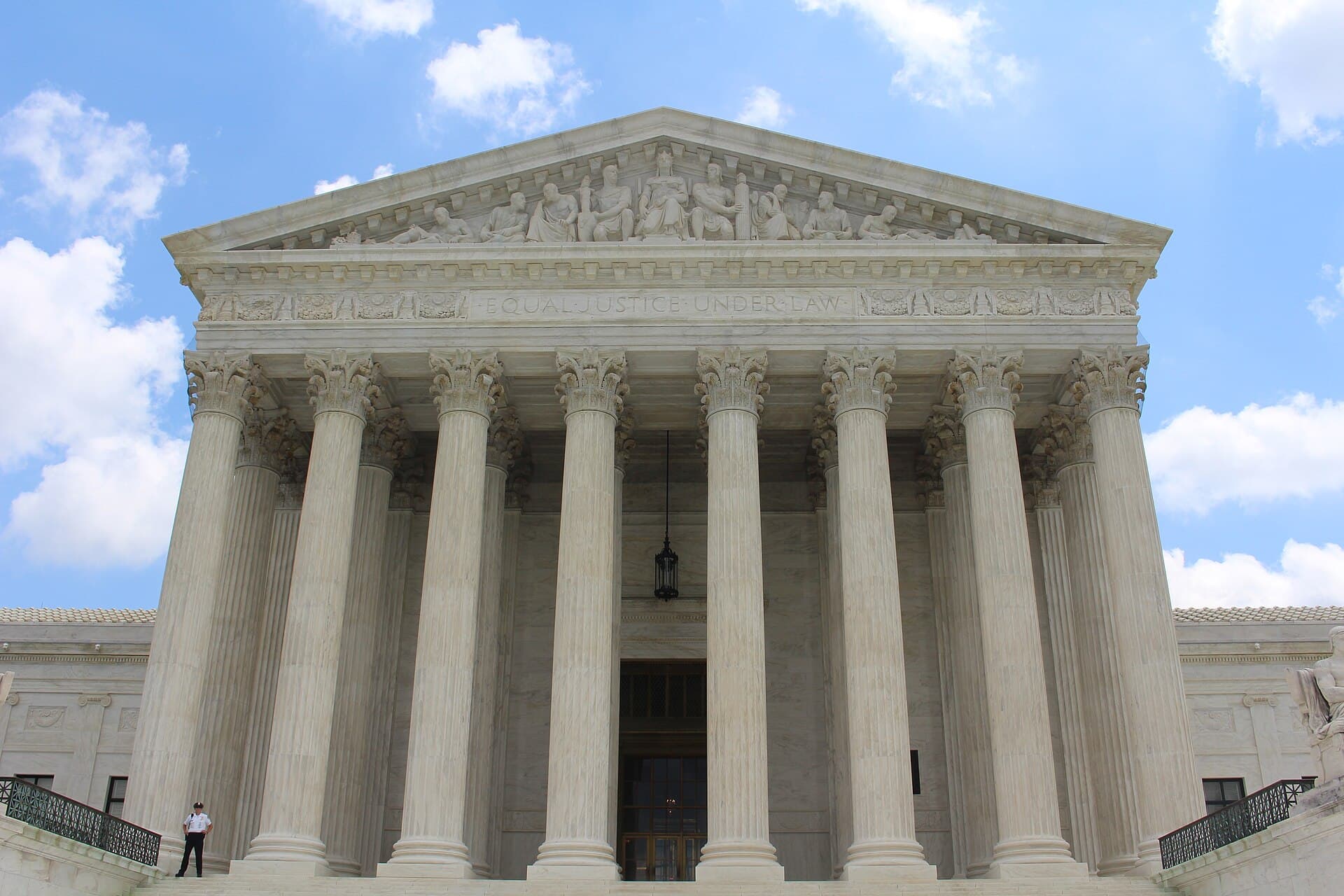
Supreme Court agrees to review court-ordered discovery into whether DOGE is subject to FOIA
CREW sued in February 2025 to make the U.S. DOGE Service process its public-records request under the Freedom of Information Act. The Justice Department argues that USDS is a presidential advisory body outside FOIA and that court-ordered discovery into its authority intrudes on the separation of powers. CREW argues that USDS exercised substantial independent authority and that limited discovery is needed to decide whether FOIA applies. On October 13, 2026, the Supreme Court agreed to review the appeals court order that let most of that discovery proceed.
Source and context
Analysis
About this source
Ali criticizes efforts to shield DOGE records and argues that the case could constrain presidential avoidance of disclosure laws. Her account of the litigation is commentary, not a new court ruling.
Archived copy (opens in a new tab)Before the quotation
Ali describes the administration's argument that DOGE was an advisory body rather than an agency subject to FOIA. She contrasts it with CREW's demand for records.
After the quotation
She discusses the history of the lawsuit and the administration's separation-of-powers argument. The Supreme Court had agreed to review the dispute, without deciding DOGE's ultimate FOIA status.
How this statement is classified
The label describes this statement's response within the context above.
Why this label?
The case concerns discovery into DOGE's FOIA status. Ali criticizes efforts to prevent disclosure and favors scrutiny of DOGE's exercise of government power.
- Recorded on
- Published here
More from this case
Read the full caseJustice Department argues that formal authority governs DOGE's FOIA status
United States Department of Justice
“Formal authority, not informal influence, is what matters.”Read statement
CREW says the government's rule against discovery conflicts with FOIA's text
Citizens for Responsibility and Ethics in Washington
“Undisputed facts in the public record—including the President’s statements—confirmed that USDS was wielding enormous independent authority across the federal government. ... The government’s proposed rule is impossible to square with statutory text, and it would be ripe for abuse.”Read statement
Donald K. Sherman calls the government's petition a delay tactic
“This appeal is an obvious delay tactic to keep the American public in the dark about DOGE’s reckless operation and disastrous impact. The lower courts have categorically ruled that CREW is entitled to discovery, and rather than accept those rulings and provide the Court and the public with long overdue transparency, DOGE is trying to dodge disclosure for as long as possible.”Read statement
Share or embed this statement
The embed keeps its attribution link to The Dispute Index. Credit the image to The Dispute Index and link to the statement page.
Cite this record
- Publisher
- The Dispute Index
- Title
- Ali criticizes shielding DOGE records from public scrutiny
- First published
- Last updated
- Permalink
- https://disputeindex.com/events/7610-ali-argues-that-the-doge-litigation-matters-for
Last updated marks the most recent saved version of this published statement.
The Dispute Index. "Ali criticizes shielding DOGE records from public scrutiny". First published: 2026-11-01. Last updated: 2026-11-01. https://disputeindex.com/events/7610-ali-argues-that-the-doge-litigation-matters-for