
Volokh says suppressing publication would have been worse
Eugene VolokhLegal scholar, in an author-hosted draft of a Daily Journal column
Volokh supports the result despite expecting more illegal interception. He argues that suppressing important reporting would be a worse alternative.
“the alternative was to let the government suppress speech that’s often vital to public debate”
Analysis
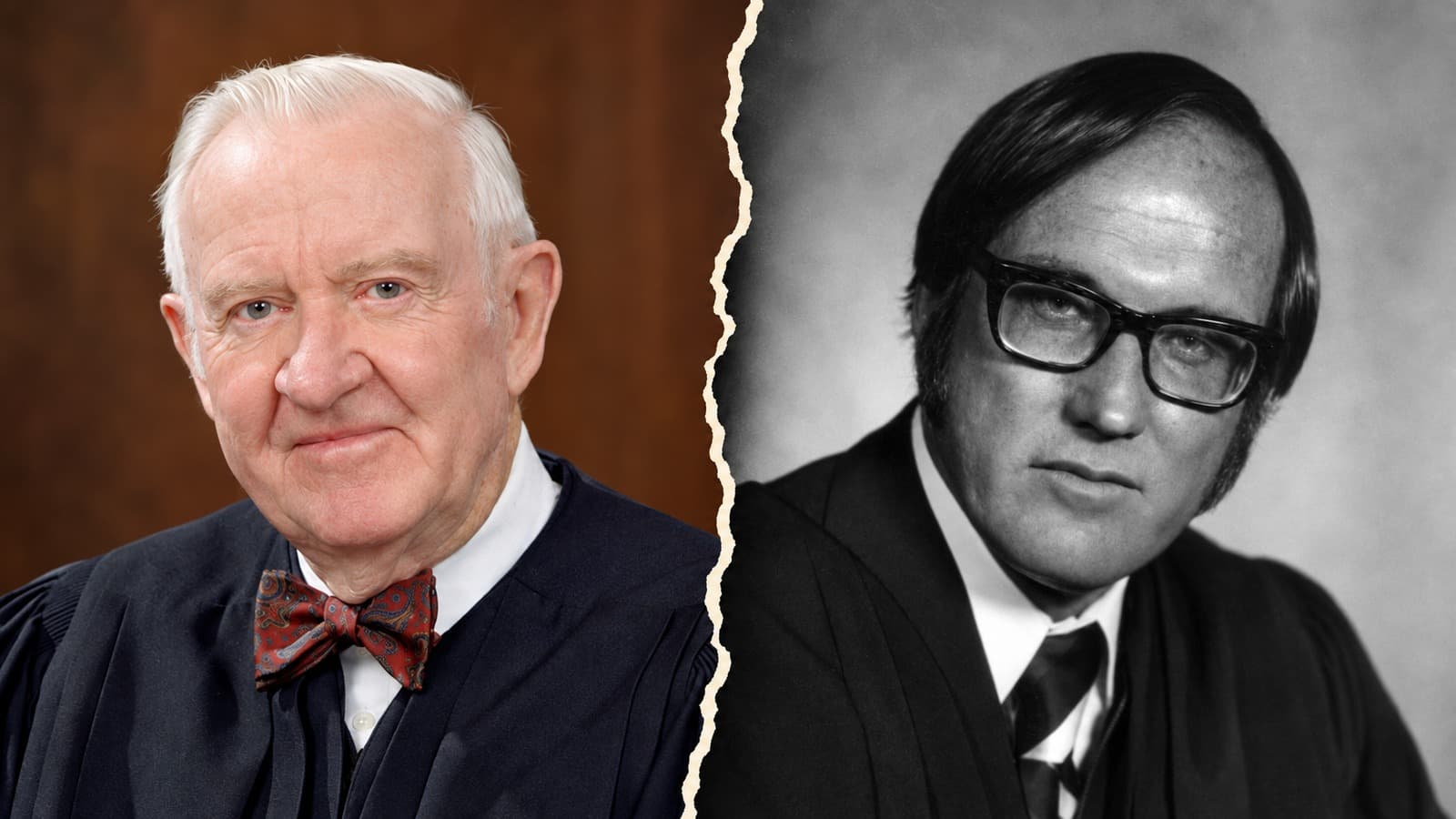
Where this statement fits
Bartnicki v. Vopper: justices split over publishing an illegally intercepted call
The Supreme Court protected publication of a recorded call by recipients who did not participate in the illegal interception and lawfully obtained the tape afterward. John Paul Stevens's majority emphasizes public concern. William Rehnquist's dissent stresses privacy and incentives for interception.
Source and context
Analysis
About this source
Volokh's author-hosted text identifies the June 11 Daily Journal column and includes editing marks. Its closing paragraph supports the result while acknowledging costs to privacy.
Archived copy (opens in a new tab)Before the quotation
Volokh critiques parts of both the majority and separate opinions, then explains why he thinks the result was right.
After the quotation
He closes by weighing the privacy costs against suppression of speech important to public debate.
How this statement is classified
The label describes this statement's response within the context above.
Why this label?
The reference point is publishing the intercepted call. Volokh supports the publication holding while acknowledging adverse privacy consequences.
- Recorded on
- Published here
More from this case
Read the full caseBreyer backs protection for the intercepted-call broadcast only on its narrow facts
“I agree with its narrow holding limited to the special circumstances present here”Read statement
The ACLU welcomes protection for public-concern reporting
American Civil Liberties Union
“Today’s decision once again reaffirms the First Amendment right of the media to publish and broadcast information of public concern.”Read statement
Rehnquist rejects constitutional protection for the challenged broadcast
“The Constitution should not protect the involuntary broadcast of personal conversations.”Read statement
Share or embed this statement
The embed keeps its attribution link to The Dispute Index. Credit the image to The Dispute Index and link to the statement page.
Cite this record
- Publisher
- The Dispute Index
- Title
- Volokh says suppressing publication would have been worse
- First published
- Last updated
- Permalink
- https://disputeindex.com/events/7109-volokh-supports-the-result-despite-expecting-more-illegal
Last updated marks the most recent saved version of this published statement.
The Dispute Index. "Volokh says suppressing publication would have been worse". First published: 2026-10-28. Last updated: 2026-10-28. https://disputeindex.com/events/7109-volokh-supports-the-result-despite-expecting-more-illegal