
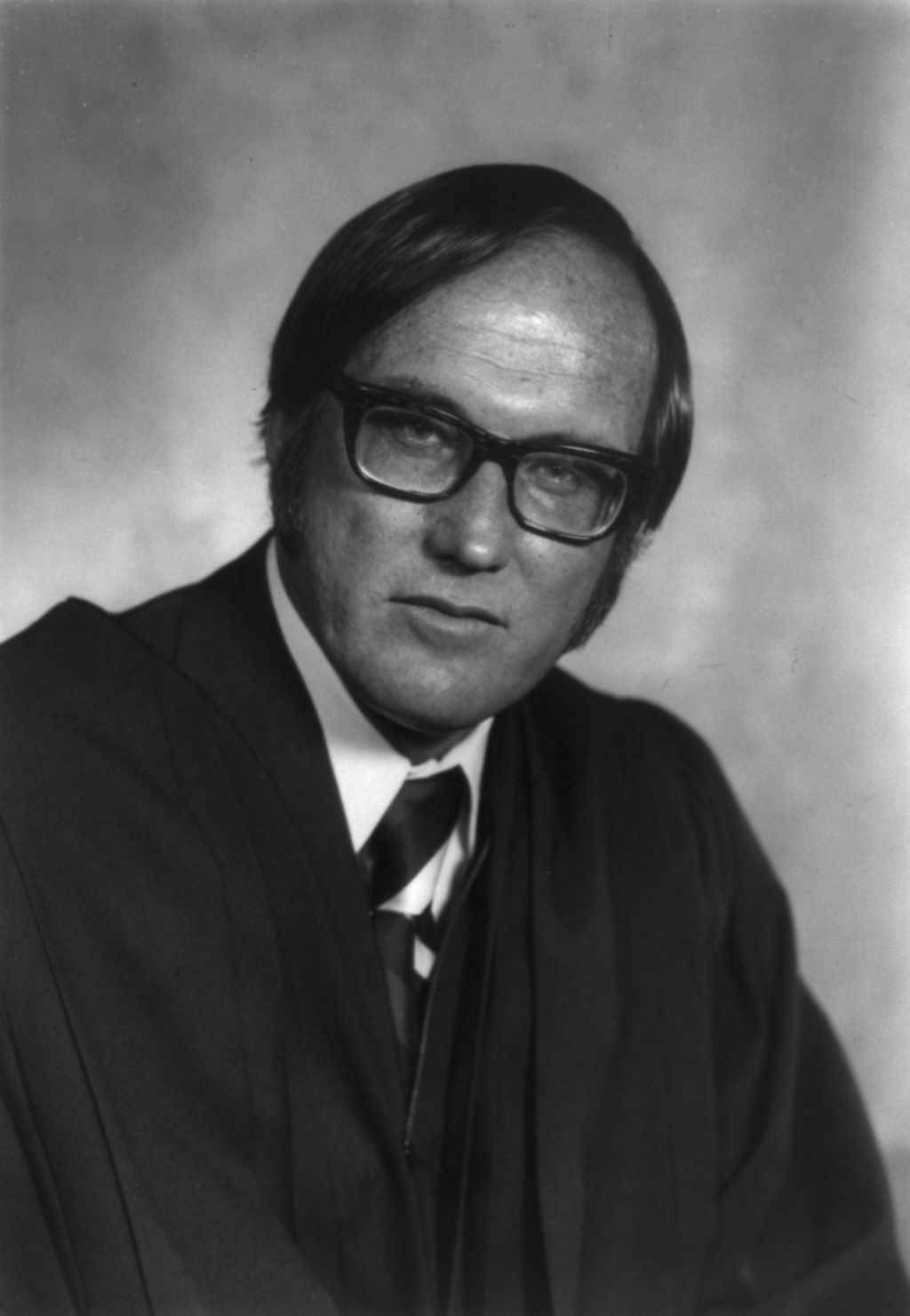
William H. Rehnquist
Role at the time: Chief justice writing in dissent, joined by Justices Antonin Scalia and Clarence Thomas
Condemned
Statement summary
Rehnquist argues that the Constitution should not protect the involuntary broadcast of personal conversations.
“The Constitution should not protect the involuntary broadcast of personal conversations.”
Read the original text (opens in a new tab)Supreme Court opinions in Bartnicki v. Vopper · Supreme Court of the United States532 U.S. 514, majority 524-535; concurrence 535-541; dissent 541 onward
Why we used this label
The case concerns publishing the intercepted call, not whether the wiretap law is desirable. Rehnquist expressly rejects constitutional protection for the involuntary broadcast and argues against the publication protected by the majority.