
Trump directs Kennedy Center privilege claim; Beatty seeks disclosure
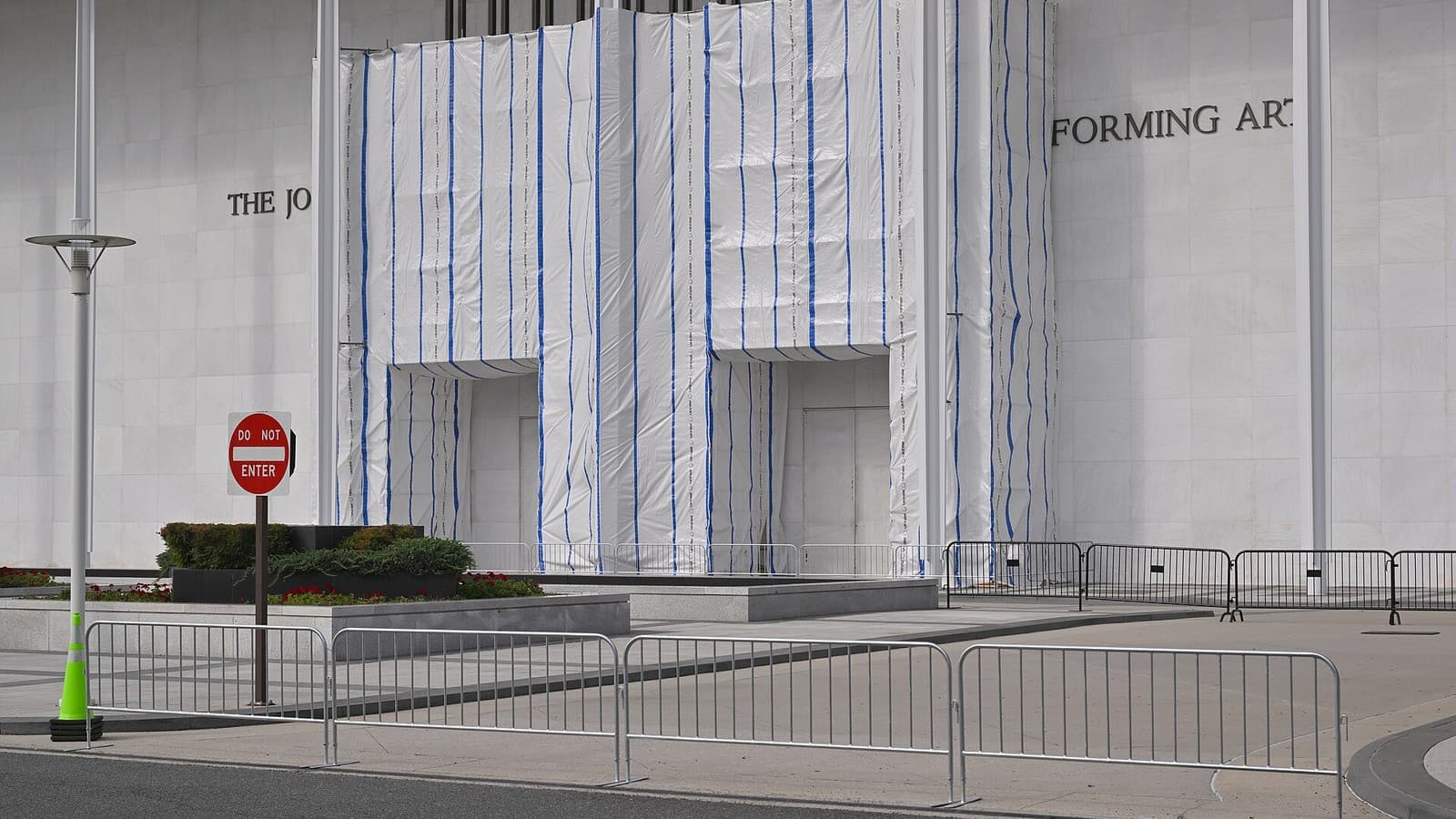
Beatty seeks Kennedy Center discovery; Trump and DOJ assert presidential communications privilege. The parties dispute its reach and whether her need for the evidence defeats it.
Case period:
Published by The Dispute Index editorial teamPublished Updated
Overview
Beatty's October 5 motion challenges privilege objections in her lawsuit over the Center's planned closure. An October 14 declaration by Deputy White House Counsel Joshua Hoyt formally invokes privilege at Trump's direction, including communications involving government and nongovernment advisers. DOJ ties the communications to presidential appointments and oversight, disputes the breadth and relevance of discovery, and says Beatty has other evidence. Beatty distinguishes presidential functions from a voluntarily assumed trusteeship and argues that the requested material is necessary to examine the closure decision. These filings state the parties' arguments; they do not establish a ruling sustaining the privilege.
People in this case
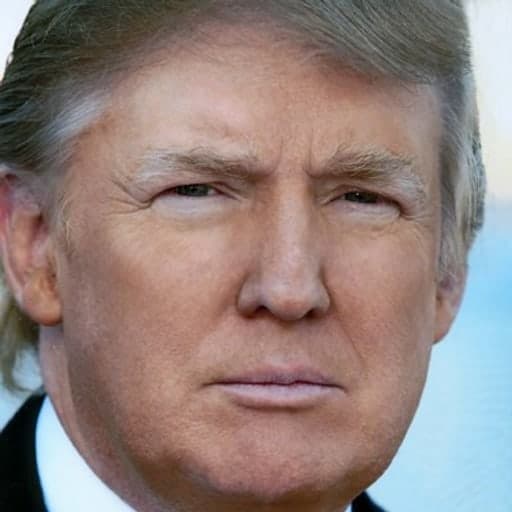 Donald TrumpDirectly involved
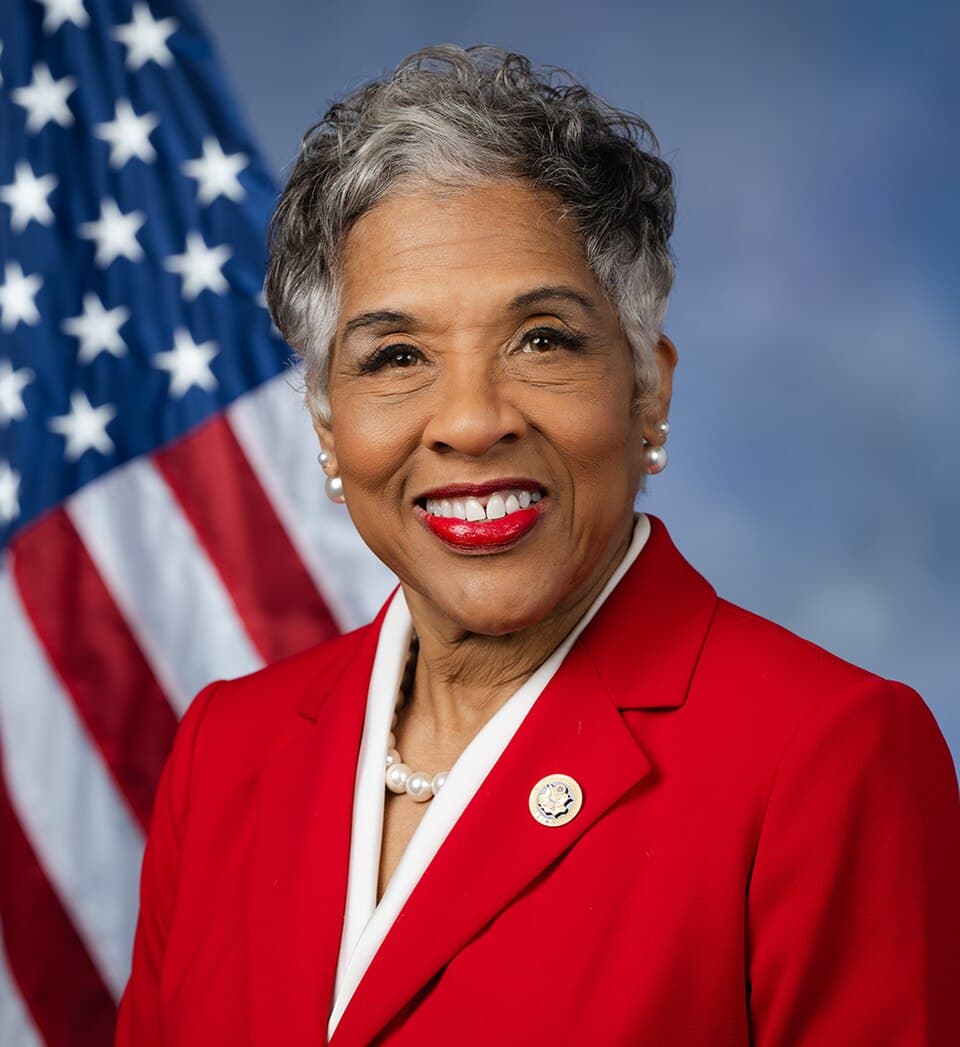 Joyce BeattyDirectly involved
Timeline
2 timeline entries on this page. Dates: October 5, 2026 to October 14, 2026
October 2026
Beatty moves to compel Kennedy Center discovery
Beatty challenges privilege objections and asks the court to compel records and testimony concerning the Center's closure.
[01]Joyce Beatty moves to compel Kennedy Center discovery
Beatty challenges the privilege objections and argues that trustee communications are necessary to review the closure decision.
Joyce Beatty moves to compel Kennedy Center discoveryDocument 96, pages 1-4 and argumentHoyt formally invokes privilege at Trump's direction
Source release
The declaration identifies categories of discovery and communications. DOJ files its opposition to compelled disclosure.
[02]Joshua Hoyt declaration asserting presidential communications privilege
Hoyt invokes privilege at the President's direction over specified discovery concerning Kennedy Center management and operations.
Joshua Hoyt declaration asserting presidential communications privilegeDocument 106-1, paragraphs 2, 4, 6 and 13-14[03]Kennedy Center defendants oppose Beatty motion to compel
The defendants argue that presidential duties support the privilege claim and that Beatty has not shown sufficient need for the requested evidence.
Kennedy Center defendants oppose Beatty motion to compelBeatty v. Trump, No. 25-4480, document 106, introduction and argument
Claims
Claims separate what was said from what is contested. Follow each source for the original wording and context.
What's disputed
Disputed claim
United States Department of Justice
The requested Kennedy Center communications are protected by presidential communications privilege because they concern presidential duties.
Sources (2)
- Kennedy Center defendants oppose Beatty motion to compelBeatty v. Trump, No. 25-4480, document 106, introduction and argument
- Joshua Hoyt declaration asserting presidential communications privilegeDocument 106-1, paragraphs 2, 4, 6 and 13-14
Disputed claim
Presidential communications privilege cannot shield the requested trustee communications, and Beatty's need for them would overcome any qualified privilege.
Sources (1)
- Joyce Beatty moves to compel Kennedy Center discoveryDocument 96, pages 1-4 and argument
Response record
Responses
Choose one response filter, or select All responses to see the full record.
2 matching responses. Newest first.
 United States Department of JusticeCounsel for the Kennedy Center defendantsDirectly involved
Before this statement
Beatty sought discovery concerning the Center's closure and challenged the privilege objections.
"Action: Filed opposition to Beatty's motion to compel, defending presidential communications privilege over the requested Kennedy Center evidence."
Defended or excusedCase context: Trump directs Kennedy Center privilege claim; Beatty seeks disclosure
Full statement and sources
DOJ ties the requested material to presidential appointments and oversight and argues that Beatty has not justified intrusive discovery.
After the statement
The brief invokes presidential duties and separately contests relevance, need and waiver.
Kennedy Center defendants oppose Beatty motion to compelBeatty v. Trump, No. 25-4480, document 106, introduction and argumentJoshua Hoyt declaration asserting presidential communications privilegeDocument 106-1, paragraphs 2, 4, 6 and 13-14Joyce Beatty moves to compel Kennedy Center discoveryDocument 96, pages 1-4 and argumentWhy this label?
The issue is the assertion of presidential communications privilege over Kennedy Center discovery. DOJ expressly defends the privilege assertion under scrutiny.
This label describes the statement's response within the context above.
 Joyce BeattyPlaintiff, through counselDirectly involved
Before this statement
The motion follows privilege objections to written discovery in the closure litigation.
"Allowing Defendants to hide behind this unwarranted assertion of privilege would obstruct the search for the truth"
CondemnedCase context: Trump directs Kennedy Center privilege claim; Beatty seeks disclosure
Full statement and sources
Beatty argues that trusteeship does not confer the claimed protection and that the evidence is necessary to review the closure.
After the statement
It also argues that specific need would defeat any qualified privilege.
Joyce Beatty moves to compel Kennedy Center discoveryDocument 96, pages 1-4 and argumentWhy this label?
The issue is the assertion of presidential communications privilege over Kennedy Center discovery. Her motion rejects the privilege assertion and asks the court to compel disclosure.
This label describes the statement's response within the context above.
Sources
(3)
Original text
Joshua Hoyt declaration asserting presidential communications privilege
Relevant passage: Document 106-1, paragraphs 2, 4, 6 and 13-14
About this source
Hoyt invokes privilege at the President's direction over specified discovery concerning Kennedy Center management and operations.
- Author
- Joshua T. Hoyt
- Published
- Accessed
Original text
Joyce Beatty moves to compel Kennedy Center discovery
Relevant passage: Document 96, pages 1-4 and argument
About this source
Beatty challenges the privilege objections and argues that trustee communications are necessary to review the closure decision.
- Author
- Counsel for Joyce Beatty
- Published
- Accessed
Original text
Kennedy Center defendants oppose Beatty motion to compel
Relevant passage: Beatty v. Trump, No. 25-4480, document 106, introduction and argument
About this source
The defendants argue that presidential duties support the privilege claim and that Beatty has not shown sufficient need for the requested evidence.
- Author
- United States Department of Justice
- Published
- Accessed
Share or embed this case
The embed keeps its attribution link to The Dispute Index. Credit the image to The Dispute Index and link to the case page.
Cite this record
- Publisher
- The Dispute Index
- Title
- Trump directs Kennedy Center privilege claim; Beatty seeks disclosure
- First published
- Last updated
- Permalink
- https://disputeindex.com/cases/trump-kennedy-center-executive-privilege-beatty-records
The Dispute Index. "Trump directs Kennedy Center privilege claim; Beatty seeks disclosure". First published: 2026-10-16. Last updated: 2026-10-16. https://disputeindex.com/cases/trump-kennedy-center-executive-privilege-beatty-records