
Advocates say ICE courthouse arrests broke Massachusetts' new PROTECT Act
Massachusetts' PROTECT Act began barring civil arrests at state courthouses without a judicial warrant on November 3. Advocates say ICE made arrests that day in Chelsea, Medford and Peabody and want the attorney general to act. DHS says courthouse arrests are common sense.

Case period:
Published by The Dispute Index editorial teamPublished Updated
Where it stands
ActiveAs of
Established
- The PROTECT Act's courthouse provisions took effect on November 3, 2026. They bar civil arrests at state courthouses unless the officer shows a designated judge a judicial warrant or order, and bar civil arrests in courtrooms.Acts of 2026, Chapter 163: An Act Promoting Rule of Law, Oversight, Trust and Equal Constitutional Treatment (opens in a new tab)
- The Trial Court confirmed that a man was detained at Chelsea District Court on November 3.Advocates say key part of PROTECT Act violated on first day at local Mass. courthouse (opens in a new tab)Letter from Lawyers for Civil Rights to Attorney General Andrea Joy Campbell: Enforcement of the PROTECT Act's Courthouse Protections (opens in a new tab)
- Lawyers for Civil Rights asked Attorney General Campbell on November 9 to investigate ICE arrests at state courthouses since November 3 and to go to court to compel ICE to comply. Gov. Healey's office says it has referred reports of potential violations to the attorney general's office.Letter from Lawyers for Civil Rights to Attorney General Andrea Joy Campbell: Enforcement of the PROTECT Act's Courthouse Protections (opens in a new tab)Immigrant advocates increase pressure on officials after reports that ICE is ignoring PROTECT Act (opens in a new tab)
Disputed
- Lawyers for Civil Rights says ICE violated the PROTECT Act at three district courts on the day its courthouse limits took effect. DHS defends courthouse arrests as common sense and, according to Boston.com, cited the Supremacy Clause.Letter from Lawyers for Civil Rights to Attorney General Andrea Joy Campbell: Enforcement of the PROTECT Act's Courthouse Protections (opens in a new tab)Immigrant advocates increase pressure on officials after reports that ICE is ignoring PROTECT Act (opens in a new tab)See the claim
Not yet known
- Whether the officers in the November 3 arrests had judicial warrants or orders, and whether any was shown to a judge.
- Whether Attorney General Campbell will open an investigation or bring a civil action against ICE.
Overview
Massachusetts' PROTECT Act, which Gov. Maura Healey signed on August 5, 2026, bars civil arrests at state courthouses unless the officer first shows a designated judge a judicial warrant or order, and bars civil arrests in courtrooms outright. Those provisions took effect on November 3. Lawyers for Civil Rights says U.S. Immigration and Customs Enforcement made arrests that day at district courts in Chelsea, Medford and Peabody, and on November 9 it asked Attorney General Andrea Joy Campbell to investigate and go to court to compel ICE to comply. In a statement reported on November 18, Healey's office said it had referred reports of potential violations to the attorney general's office. A Department of Homeland Security spokesperson said courthouse arrests are common sense and safer for officers and the public, and, according to Boston.com, cited the Constitution's Supremacy Clause in arguing that the federal government has the final say on immigration enforcement.
Read the full background
The PROTECT Act is Chapter 163 of the Acts of 2026. Its courthouse chapter, chapter 221D of the General Laws, covers the inside of any state court facility and its grounds, including steps, plazas, sidewalks and court parking lots. It treats an arrest or detention that violates the chapter as false imprisonment and lets the attorney general bring a civil action in Superior Court for declaratory, injunctive or other equitable relief. The act sets those provisions to take effect 90 days after the act, which Healey approved on August 5 (Massachusetts Legislature (opens in a new tab)).
GBH News reported that Gladys Vega, president of the Chelsea nonprofit La Colaborativa, said she saw agents handcuff a man after his hearing at Chelsea District Court on November 3 without showing a warrant, and that the Trial Court confirmed the detention. The man's name was not reported, and GBH reported that without it court records could not be checked for a judicial warrant. A spokesperson for Campbell said the office was aware of the arrest and in touch with the Trial Court and La Colaborativa (GBH News (opens in a new tab); Lawyers for Civil Rights (opens in a new tab)).
Boston.com reported on November 18 that more reports of courthouse arrests had surfaced since November 3. LUCE, a coalition of groups that organizes against ICE activity in Massachusetts, held a press conference outside the State House that day and called on state leaders to enforce the courthouse protections and make their findings public (Boston.com (opens in a new tab)).
New York has a law limiting civil arrests at its courthouses, the Protect Our Courts Act. According to New York Attorney General Letitia James, a federal judge dismissed the Justice Department's lawsuit against that law in November 2025, holding that nothing in federal immigration law preempts New York's authority to safeguard access to its courts (New York Attorney General (opens in a new tab)).
People in this case
 Maura HealeyDirectly involved
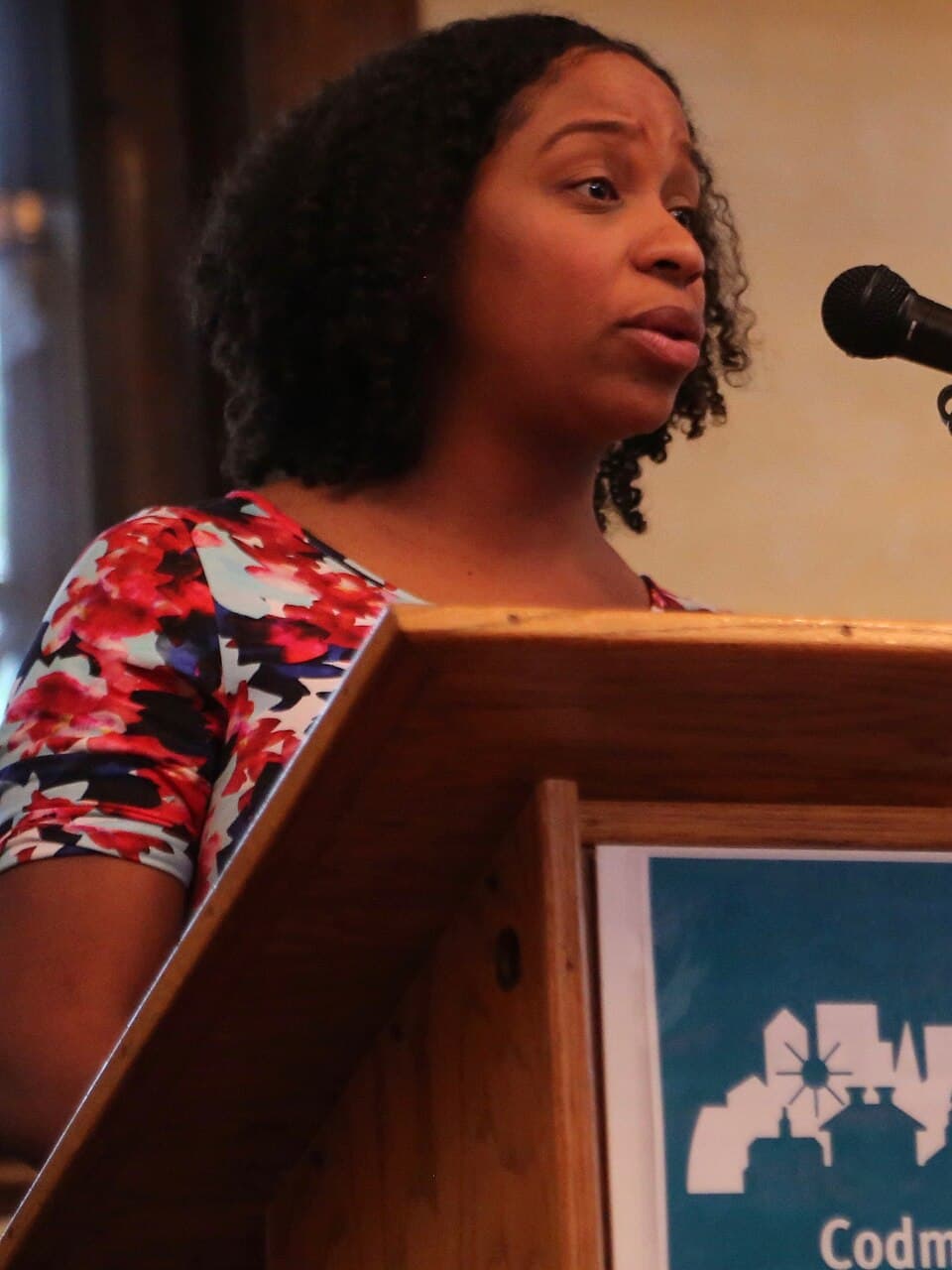 Andrea Joy CampbellDirectly involved
Timeline
4 timeline entries on this page. Dates: August 5, 2026 to November 18, 2026
August 2026
Healey signs the PROTECT Act, with courthouse arrest limits set to take effect in 90 days
Gov. Maura Healey approves Chapter 163 of the Acts of 2026, the PROTECT Act. Its courthouse chapter bars civil arrests at state courthouses unless the officer shows a designated judge a judicial warrant or order, bars civil arrests in courtrooms and lets the attorney general sue to enforce it. The act sets those provisions to take effect 90 days later.
November 2026
Courthouse arrest limits take effect, and arrests are reported at three district courts
Incident
The PROTECT Act's limits on civil arrests at courthouses take effect. Lawyers for Civil Rights says ICE makes arrests that day at Chelsea District Court, Cambridge/Malden District Court in Medford and Peabody District Court. GBH News reports that the Trial Court confirmed a detention at Chelsea District Court.
Lawyers for Civil Rights asks the attorney general to enforce the PROTECT Act against ICE
Claim
In a letter to Attorney General Andrea Joy Campbell, Lawyers for Civil Rights asks her office to investigate ICE arrests at state courthouses on or after November 3 and to pursue judicial action to compel ICE to comply with the law.
Healey's office refers reports of potential violations to the attorney general
Advocates hold a press conference outside the State House calling on state leaders to enforce the courthouse protections. Healey's office says it has referred reports of potential PROTECT Act violations to the attorney general's office for review and investigation.
Claims
Claims separate what was said from what is contested. Follow each source for the original wording and context.
What's disputed
Lawyers for Civil Rights
ICE appears to have violated the PROTECT Act's limits on civil arrests at courthouses by making arrests at Chelsea District Court, Cambridge/Malden District Court in Medford and Peabody District Court on November 3, 2026, the day those limits took effect.
What is disputed
DHS defends courthouse arrests as common sense and, according to Boston.com, cited the Supremacy Clause. Whether the officers had judicial warrants or orders has not been made public.
In their own words
Their own account
Statements from the person or group whose act or claim this case is about. They are listed apart from the responses, and each label says what the speaker did with their own act or claim.
 U.S. Department of Homeland SecurityFederal department that oversees ICE, in a statement from a spokesperson to Boston.com
"The ability of law enforcement to make arrests of criminal illegal aliens in courthouses is common sense. It conserves valuable law enforcement resources because they already know where a target will be. It is also safer for our officers and the community. These illegal aliens have gone through security and been screened to not have any weapons."
Checked word for word against a linked source on .
Stood by itCase context: Advocates say ICE courthouse arrests broke Massachusetts' new PROTECT Act
Full statement and sources
A DHS spokesperson says arresting people the department calls criminal illegal aliens at courthouses is common sense, saves enforcement resources and is safer for officers and the public because people at court have passed security screening.
Before the statement
Boston.com asked DHS about reports that ICE had made courthouse arrests in Massachusetts after the PROTECT Act's courthouse provisions took effect on November 3. According to Boston.com, the spokesperson criticized sanctuary politicians and cited the Supremacy Clause in arguing that the federal government has the final say on immigration enforcement.
After the statement
In the same report, Gov. Healey's spokesperson said the governor's office had referred reports of potential PROTECT Act violations to the attorney general's office for review and investigation.
Why this label?
DHS defends ICE's practice of making arrests at courthouses as common sense and safer for officers, in reply to questions about reports that ICE broke the state's new law, so we labeled it Stood by it.
This label describes the statement's response within the context above.
Response record
Responses
Choose one response filter, or select All responses to see the full record.
2 matching responses. Newest first.
 Maura HealeyGovernor of Massachusetts, in a statement from a spokesperson to Boston.comDirectly involved
"Governor Healey signed the PROTECT Act to keep ICE out of schools, daycares, hospitals, nursing homes and courthouses and keep people safe. The Governor expects ICE and all federal agencies and personnel to follow the law. We have referred reports of potential PROTECT Act violations to the Attorney General's Office for review and investigation"
Checked word for word against a linked source on .
Mixed or conditionalCase context: Advocates say ICE courthouse arrests broke Massachusetts' new PROTECT Act
Full statement and sources
Healey's office says the governor expects ICE to follow the PROTECT Act and has referred reports of potential violations to the attorney general's office for review and investigation.
Before the statement
Boston.com reported that Healey's office was aware of the reports of courthouse arrests and keeping tabs on ICE's actions. LUCE, a coalition of groups that organizes against ICE activity in Massachusetts, held a press conference outside the State House calling on state leaders to enforce the courthouse protections.
After the statement
In the same report, a DHS spokesperson said courthouse arrests are common sense.
Why this label?
Healey's office says ICE is expected to follow the state's law and refers reports of potential violations to the attorney general for review and investigation, without concluding that the arrests broke the law, so we labeled it Mixed or conditional.
This label describes the statement's response within the context above.
Lawyers for Civil RightsBoston civil rights legal nonprofit, in a letter to Attorney General Andrea Joy Campbell signed by staff attorney Brooke SimoneDirectly involved "ICE's continued courthouse arrests despite the PROTECT Act demonstrate a stunning disregard for the rule of law, which cannot go unanswered. We cannot allow the PROTECT Act to become an empty promise. Immediate enforcement action is critically needed."
Checked word for word against a linked source on .
CondemnedCase context: Advocates say ICE courthouse arrests broke Massachusetts' new PROTECT Act
Full statement and sources
Lawyers for Civil Rights tells Attorney General Campbell that ICE appears to have violated the PROTECT Act with courthouse arrests on the day it took effect and asks her office to investigate and go to court to compel ICE to comply.
Before the statement
The letter says the PROTECT Act's courthouse provisions took effect on November 3, 2026, and that ICE made arrests that day at Chelsea District Court, Cambridge/Malden District Court in Medford and Peabody District Court. It says that in Chelsea an ICE officer asked for a person inside a courtroom and handcuffed the person after the hearing without presenting a warrant or court order.
After the statement
The letter asks the attorney general's office to investigate any ICE arrests at state courthouses on or after November 3 and to promptly pursue judicial action to compel ICE to comply with the law.
Why this label?
Lawyers for Civil Rights says ICE's courthouse arrests show a stunning disregard for the rule of law and asks the state to enforce the PROTECT Act against it, so we labeled it Condemned.
This label describes the statement's response within the context above.
Sources
(4)
Original text
Letter from Lawyers for Civil Rights to Attorney General Andrea Joy Campbell: Enforcement of the PROTECT Act's Courthouse Protections
Relevant passage: Pages 1 to 3
About this source
Letter of November 9, 2026, asking the Massachusetts attorney general to investigate ICE arrests at state courthouses since November 3 and to go to court to compel ICE to comply with the PROTECT Act.
- Author
- Lawyers for Civil Rights (Brooke Simone)
- Published
- Accessed
Reporting
Immigrant advocates increase pressure on officials after reports that ICE is ignoring PROTECT Act
About this source
Boston.com report on advocates' calls for enforcement of the PROTECT Act's courthouse provisions, with statements from Gov. Maura Healey's spokesperson and a Department of Homeland Security spokesperson.
- Author
- Ross Cristantiello, Boston.com
- Published
- Accessed
Reporting
Advocates say key part of PROTECT Act violated on first day at local Mass. courthouse
About this source
GBH News report on the first day of the PROTECT Act's courthouse provisions, with Gladys Vega's account of an arrest at Chelsea District Court, the Trial Court's confirmation of the detention and a response from the attorney general's office.
- Author
- Sarah Betancourt, GBH News
- Published
- Accessed
Original text
Acts of 2026, Chapter 163: An Act Promoting Rule of Law, Oversight, Trust and Equal Constitutional Treatment
Relevant passage: Section 12 (chapter 221D, Civil Arrests in Courts) and Sections 23 and 24
About this source
Session law text of the PROTECT Act, approved August 5, 2026. Section 12 adds chapter 221D of the General Laws on civil arrests in courts, and Section 23 sets it to take effect 90 days after the act.
- Author
- Massachusetts General Court
- Published
- Accessed
Share or embed this case
The embed keeps its attribution link to The Dispute Index. Credit the image to The Dispute Index and link to the case page.
Cite this record
- Publisher
- The Dispute Index
- Title
- Advocates say ICE courthouse arrests broke Massachusetts' new PROTECT Act
- First published
- Last updated
- Permalink
- https://disputeindex.com/cases/massachusetts-protect-act-ice-courthouse-arrests
The Dispute Index. "Advocates say ICE courthouse arrests broke Massachusetts' new PROTECT Act". First published: 2026-11-19. Last updated: 2026-11-19. https://disputeindex.com/cases/massachusetts-protect-act-ice-courthouse-arrests