
Garcetti: Kennedy and Souter split over public employees' duty-related speech
In Garcetti v. Ceballos, Justice Anthony Kennedy wrote for a five-to-four majority that the First Amendment does not protect public employees' statements made under their official duties. Justice David Souter dissented, favoring a balancing test for some warnings of wrongdoing.
Case period:
Published by The Dispute Index editorial teamPublished Updated
Overview
Ceballos alleged retaliation after reporting concerns about a warrant affidavit through his work as a prosecutor. Kennedy's majority excludes speech pursuant to official duties from this First Amendment protection. Souter favors a balancing approach for warnings about wrongdoing and threats to public safety. Statutory whistleblower protections are separate, and the majority reserves academic speech.
People in this case
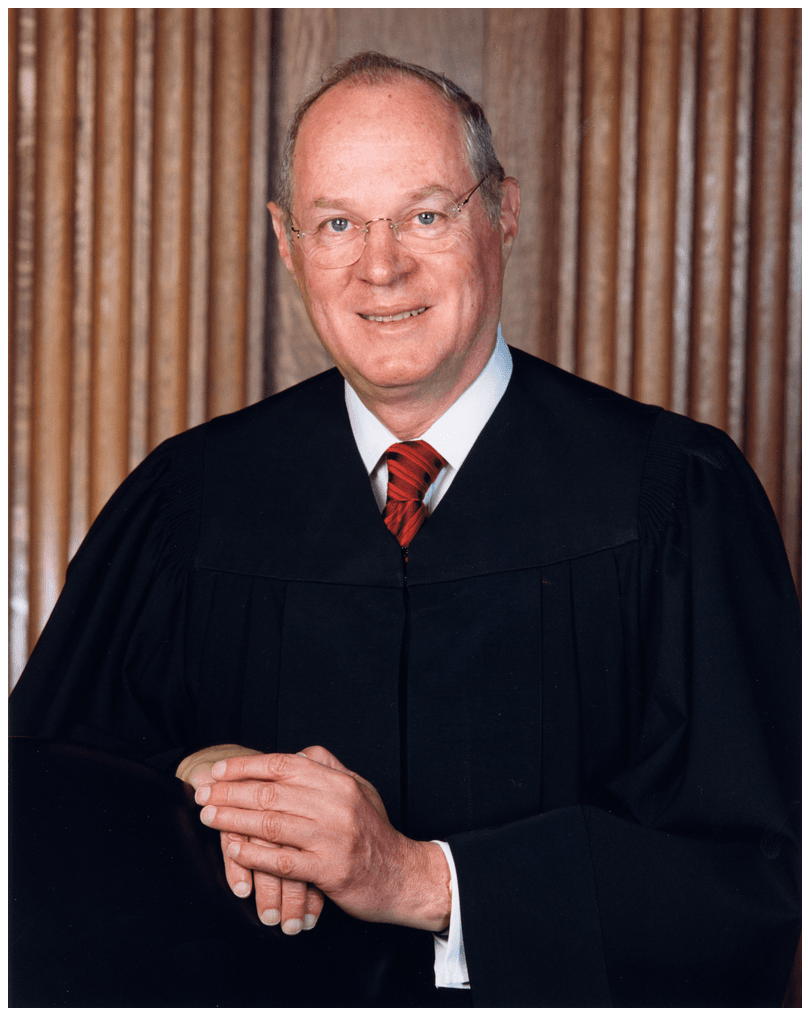 Anthony M. KennedyDirectly involved
Timeline
1 timeline entry on this page. Dates: May 30, 2006
May 2006
Supreme Court adopts the official-duty speech rule
The five-to-four decision rules against Ceballos. Souter dissents in favor of balancing some duty-related warnings against government management interests.
[01]Supreme Court opinions in Garcetti v. Ceballos
Source excerpt
We hold that when public employees make statements pursuant to their official duties, the employees are not speaking as citizens for First Amendment purposes, and the Constitution does not insulate their communications from employer discipline. But I would hold that private and public interests in addressing official wrongdoing and threats to health and safety can outweigh the government’s stake in the efficient implementation of policy, and when they do public employees who speak on these matters in the course of their duties should be eligible to claim First Amendment protection.
The majority addresses speech pursuant to public employees' official duties. The decision does not repeal statutory whistleblower protections and reserves scholarship and teaching.
Supreme Court opinions in Garcetti v. Ceballos547 U.S. 410; majority and Souter dissent
Claims
Claims separate what was said from what is contested. Follow each source for the original wording and context.
What's disputed
Disputed claim
The First Amendment does not protect public employees' duty-related statements from employer discipline.
Sources (1)
- Supreme Court opinions in Garcetti v. Ceballos547 U.S. 410; majority and Souter dissent
Response record
Responses
Choose one response filter, or select All responses to see the full record.
2 matching responses. Newest first.
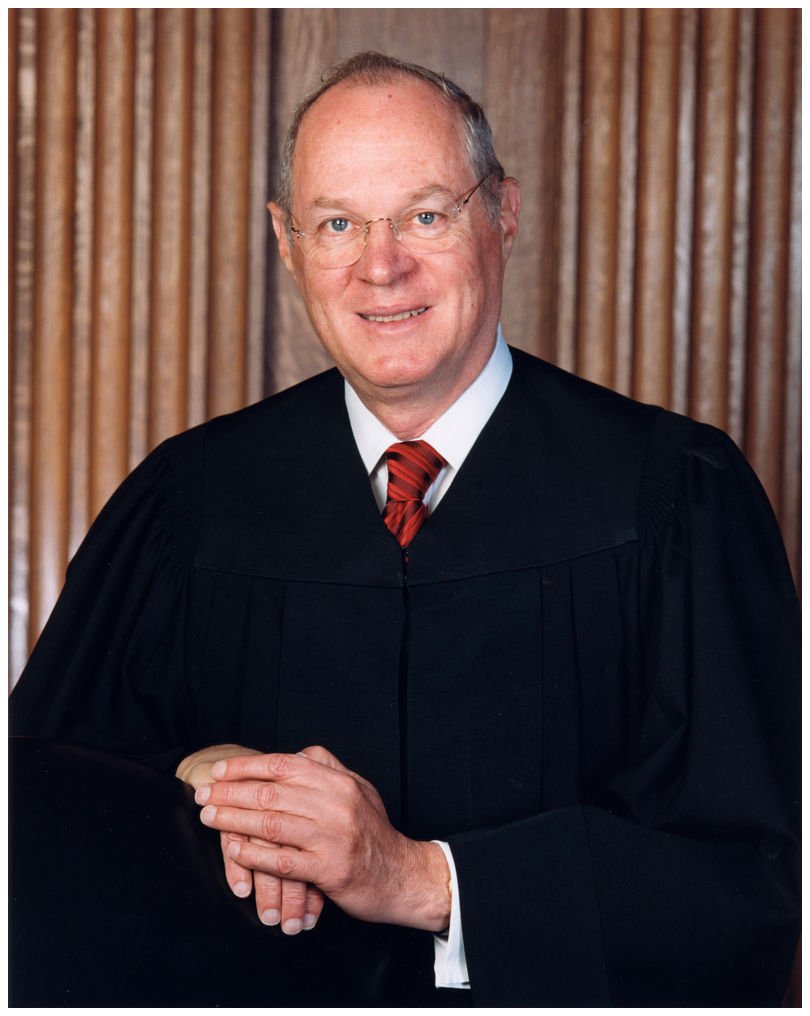 Anthony M. KennedySupreme Court justice, writing the majority opinionDirectly involved
Before this statement
Ceballos wrote an internal memorandum about concerns with a warrant affidavit as part of his prosecutorial work.
"We hold that when public employees make statements pursuant to their official duties, the employees are not speaking as citizens for First Amendment purposes"
Defended or excusedResponding to: The First Amendment does not protect public employees' duty-related statements from employer discipline.
Full statement and sources
Kennedy holds that statements made pursuant to official duties are outside First Amendment protection from employer discipline.
After the statement
The opinion distinguishes citizen speech and recognizes separate statutory protections for employees.
Supreme Court opinions in Garcetti v. Ceballos547 U.S. 410; majority and Souter dissentWhy this label?
The subject is categorical exclusion of duty-related public employee speech from First Amendment protection against employer discipline. Kennedy's majority adopts that exclusion, reasoning that restricting such speech reflects the employer's control over work it commissioned rather than a limit on the employee's liberties as a citizen.
This label describes the statement's response within the context above.
David SouterSupreme Court justice, dissentingDirectly involved Before this statement
Souter accepts that government employers have substantial interests in competence, honesty and effective policy implementation. He rejects a categorical exclusion for duty-related warnings.
"But why do the majority’s concerns, which we all share, require categorical exclusion of First Amendment protection against any official retaliation for things said on the job?"
CondemnedResponding to: The First Amendment does not protect public employees' duty-related statements from employer discipline.
Full statement and sources
Souter rejects the categorical exclusion and would allow balancing when duty-related speech addresses wrongdoing or threats to health and safety.
After the statement
Stevens and Ginsburg join Souter's dissent. Breyer dissents separately. Souter would balance the public value of some warnings against government management interests.
Supreme Court opinions in Garcetti v. Ceballos547 U.S. 410; majority and Souter dissentWhy this label?
The subject is categorical exclusion of duty-related speech. Souter rejects that exclusion and favors balancing for some warnings. Acknowledging management interests does not make him a supporter of the categorical rule.
This label describes the statement's response within the context above.
Sources
(2)
Original text
Supreme Court opinions in Garcetti v. Ceballos
Relevant passage: 547 U.S. 410; majority and Souter dissent
Excerpt
"We hold that when public employees make statements pursuant to their official duties, the employees are not speaking as citizens for First Amendment purposes, and the Constitution does not insulate their communications from employer discipline. But I would hold that private and public interests in addressing official wrongdoing and threats to health and safety can outweigh the government’s stake in the efficient implementation of policy, and when they do public employees who speak on these matters in the course of their duties should be eligible to claim First Amendment protection."
About this source
The majority addresses speech pursuant to public employees' official duties. The decision does not repeal statutory whistleblower protections and reserves scholarship and teaching.
- Published
- Accessed
Official statement
ACLU criticizes the Garcetti ruling
Relevant passage: Original May 30 release, Eliasberg and Shapiro statements
Excerpt
"The ACLU said the ruling seriously undermines the rights of whistleblowers who risk their careers to protect the public interest."
About this source
ACLU lawyers criticize the ruling's effects on internal reports of government misconduct.
- Published
- Accessed
Share or embed this case
The embed keeps its attribution link to The Dispute Index. Credit the image to The Dispute Index and link to the case page.
Cite this record
- Publisher
- The Dispute Index
- Title
- Garcetti: Kennedy and Souter split over public employees' duty-related speech
- First published
- Last updated
- Permalink
- https://disputeindex.com/cases/garcetti-ceballos-public-employee-official-duty-speech
The Dispute Index. "Garcetti: Kennedy and Souter split over public employees' duty-related speech". First published: 2026-10-23. Last updated: 2026-10-23. https://disputeindex.com/cases/garcetti-ceballos-public-employee-official-duty-speech