
DHS waives New Mexico water law for border wall wells; state officials call the waiver unconstitutional
DHS says it must set aside state water law to build barriers and roads quickly. New Mexico's governor and water officials say the federal government is taking scarce groundwater without permits and cannot waive the state's water code.
Case period:
Published by The Dispute Index editorial teamPublished Updated
Overview
Homeland Security Secretary Markwayne Mullin published a notice on October 2, 2026, waiving the New Mexico Water Code and state well rules for border barrier and road construction in part of the El Paso Sector, including the drilling and use of wells. New Mexico officials, who sued the federal government and its contractors in August over wells drilled without state permits, say the waiver is unconstitutional and plan to challenge it.
Read the full background
Federal contractors building a secondary barrier and a road along New Mexico's border with Mexico began drilling wells in early 2026 to supply water for concrete, road building and dust control. According to the Office of the State Engineer, the contractors first applied for state well permits and then withdrew the applications at the request of the Department of Homeland Security. Ranchers and legislators in the Mimbres, Hachita and Lower Rio Grande basins objected, and Customs and Border Protection agreed on August 3 to stop drilling new wells. The state says DHS kept using at least three wells drilled without permits.
On August 26, Gov. Michelle Lujan Grisham announced a state lawsuit against the United States, prime contractor Barnard Construction Company and drilling subcontractors Wyatt Drilling Arizona and Cascade Drilling. The suit, filed in state district court, seeks an injunction and repayment for water the state says was used without authorization.
The October 2 notice relies on section 102(c) of the Illegal Immigration Reform and Immigrant Responsibility Act of 1996, which lets the Homeland Security secretary waive legal requirements he determines necessary for the expeditious construction of border barriers and roads. Searchlight New Mexico reported that a federal filing the same day also argued that the wells sit on the Roosevelt Reservation, a strip of federal land along the border, and that the Constitution's supremacy clause places federal construction outside state control. New Mexico officials say the state constitution makes New Mexico's water public property and that the waiver violates the Tenth Amendment.
People in this case
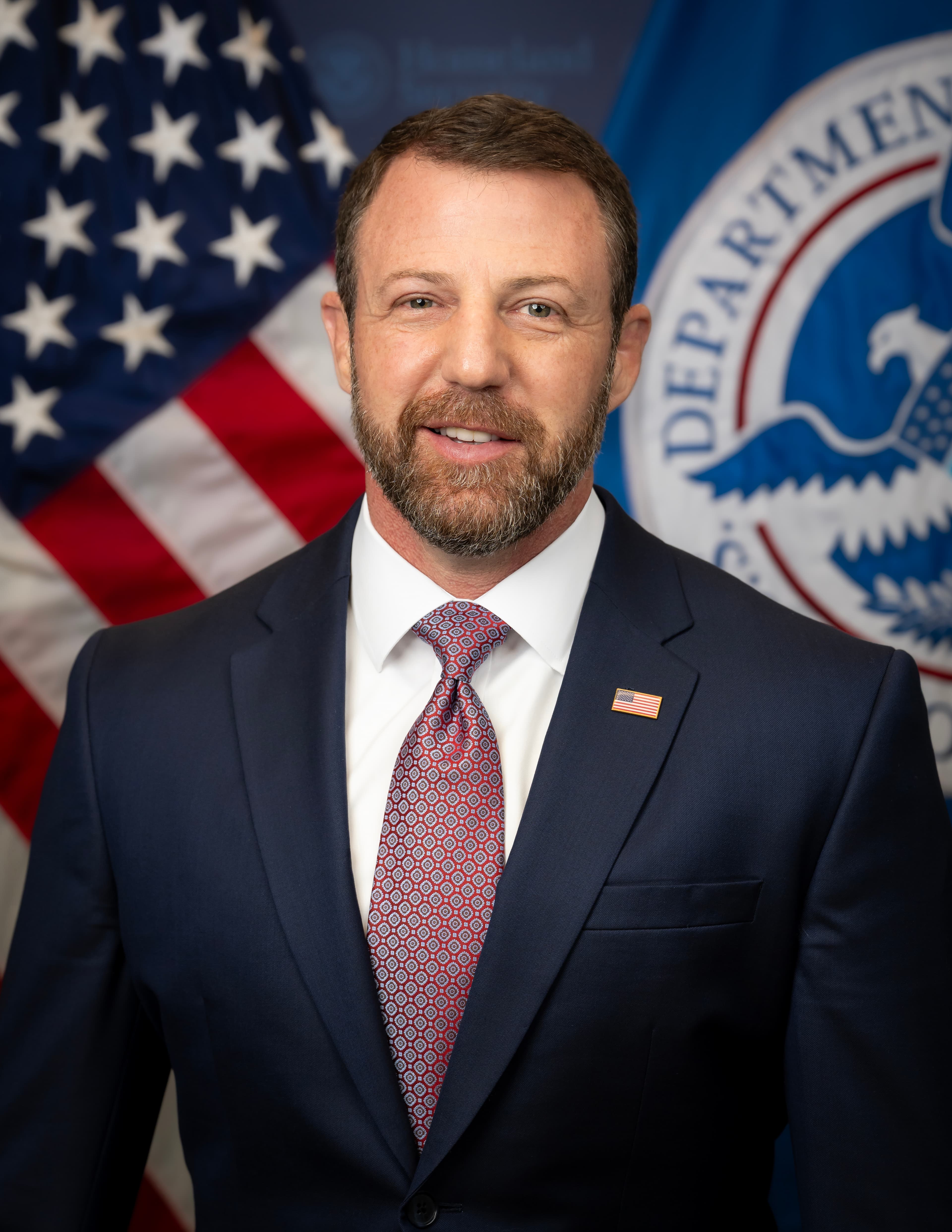 Markwayne MullinDirectly involved
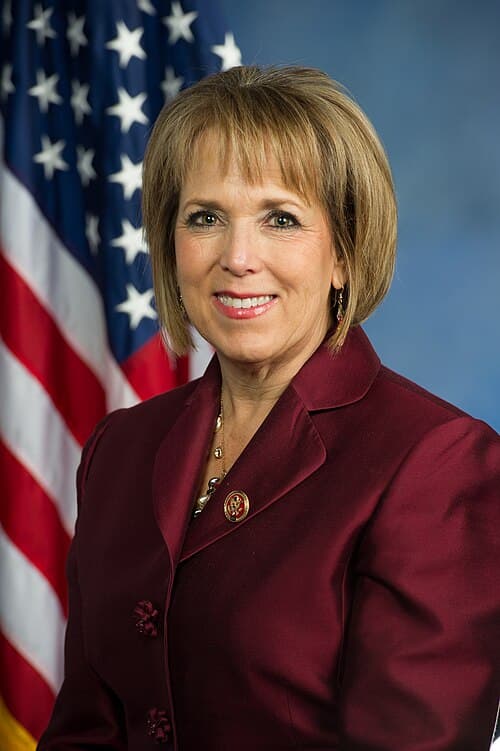 Michelle Lujan GrishamDirectly involved
Timeline
5 timeline entries on this page. Dates: August 3, 2026 to October 6, 2026
August 2026
CBP agrees to stop drilling new border wall wells
After ranchers and legislators objected to wells drilled without state permits in the Mimbres, Hachita and Lower Rio Grande basins, Customs and Border Protection agreed to stop drilling new wells. The state says DHS kept using at least three wells already drilled.
[01]Searchlight New Mexico
Report by Julia Gentin for The Las Cruces New Mexican, The Santa Fe New Mexican and Searchlight New Mexico on the waiver, the state's August 26 lawsuit and the October 6 committee hearing, with quotes from Nat Chakeres, Rep. Tara Lujan and Sen. Joseph Cervantes. It also summarizes the federal government's arguments for the waiver.
Trump administration says it's waiving New Mexico water law to keep using disputed wells for border wall · Searchlight New MexicoFull article[02]Michelle Lujan Grisham
Press release from Gov. Michelle Lujan Grisham's office dated October 2, 2026, responding to the DHS waiver published that day. It includes statements from the governor and State Engineer Elizabeth K. Anderson and says DHS is still using at least three wells drilled without state permits.
Federal government claims power to override New Mexico law over illegal border wells · Michelle Lujan GrishamFull releaseNew Mexico sues the United States and border wall contractors over the wells
Gov. Michelle Lujan Grisham announced a state lawsuit against the United States, Barnard Construction Company, Wyatt Drilling Arizona and Cascade Drilling over wells drilled without state permits. The suit seeks an injunction and repayment for the water used.
[03]Source New Mexico
Source New Mexico report on the lawsuit Gov. Michelle Lujan Grisham announced on August 26, 2026, against the United States and the border wall contractors over wells drilled without state permits, with statements from the governor and State Engineer Elizabeth Anderson.
New Mexico sues feds, contractors over water wells drilled to aid border wall construction · Source New MexicoFull article
October 2026
DHS waives New Mexico water law for border construction
Incident
Homeland Security Secretary Markwayne Mullin published a Federal Register notice waiving the New Mexico Water Code and parts of the state's well rules for barrier and road construction in part of the El Paso Sector, effective the same day.
[04]U.S. Department of Homeland Security
Department of Homeland Security notice in the Federal Register, FR Doc. 2026-20233, signed by Secretary Markwayne Mullin. It waives the New Mexico Water Code and two parts of the state's well-drilling rules for border barrier and road construction, including the drilling and operation of wells, in a stretch of the El Paso Sector in New Mexico. It took effect on October 2, 2026.
Determination Pursuant to Section 102 of the Illegal Immigration Reform and Immigrant Responsibility Act of 1996, as Amended · U.S. Department of Homeland Security91 FR 62739-62740, Determination and Waiver, Sections 1 and 2Governor and State Engineer call the waiver unconstitutional
Reaction
Gov. Michelle Lujan Grisham's office issued a statement opposing the waiver, and State Engineer Elizabeth K. Anderson called it unconstitutional and said DHS is taking water from New Mexicans to build the border wall.
[02]Michelle Lujan Grisham
Press release from Gov. Michelle Lujan Grisham's office dated October 2, 2026, responding to the DHS waiver published that day. It includes statements from the governor and State Engineer Elizabeth K. Anderson and says DHS is still using at least three wells drilled without state permits.
Federal government claims power to override New Mexico law over illegal border wells · Michelle Lujan GrishamFull releaseState Engineer's lawyer tells legislators the state will fight the waiver
Reaction
Office of the State Engineer general counsel Nat Chakeres told the legislature's interim Courts, Corrections and Justice Committee that the agency intends to fight the waiver and showed photos of border wells it says were improperly built.
[05]New Mexico Office of the State Engineer
Slide presentation by Office of the State Engineer general counsel Nat Chakeres to the New Mexico Legislature's interim Courts, Corrections and Justice Committee on October 6, 2026, posted as a committee handout. Slides 2 to 4 describe the border wall wells, the state's lawsuit and the agency's response to the DHS waiver.
OSE Hot Topics: Border Wall and Project Jupiter · New Mexico Office of the State EngineerSlides 2 to 4, Border Wall Wells[06]Source New Mexico
Source New Mexico report on Office of the State Engineer general counsel Nat Chakeres's October 6, 2026, testimony to the legislature's interim Courts, Corrections and Justice Committee about the DHS waiver and the condition of the federal border wells.
State engineer denounces 'outrageous' federal waiver of New Mexico water laws to build border wall · Source New MexicoFull article[01]Searchlight New Mexico
Report by Julia Gentin for The Las Cruces New Mexican, The Santa Fe New Mexican and Searchlight New Mexico on the waiver, the state's August 26 lawsuit and the October 6 committee hearing, with quotes from Nat Chakeres, Rep. Tara Lujan and Sen. Joseph Cervantes. It also summarizes the federal government's arguments for the waiver.
Trump administration says it's waiving New Mexico water law to keep using disputed wells for border wall · Searchlight New MexicoFull article
Claims
Claims separate what was said from what is contested. Follow each source for the original wording and context.
What's disputed
Disputed claim
Waiving the New Mexico Water Code and the state's well-drilling rules is necessary to ensure the expeditious construction of border barriers and roads in the El Paso Sector project area.
What is disputed
Mullin makes this determination in the October 2 Federal Register notice, citing apprehension and drug-seizure figures for the El Paso Sector. Gov. Michelle Lujan Grisham says New Mexico supports border security but that it must be pursued in partnership with states. State officials dispute that DHS can set aside the state's water law to supply the construction.
Sources (3)
- Determination Pursuant to Section 102 of the Illegal Immigration Reform and Immigrant Responsibility Act of 1996, as Amended · U.S. Department of Homeland Security91 FR 62739-62740, Determination and Waiver, Sections 1 and 2
- Trump administration says it's waiving New Mexico water law to keep using disputed wells for border wall · Searchlight New MexicoFull article
- Federal government claims power to override New Mexico law over illegal border wells · Michelle Lujan GrishamFull release
Disputed claim
New Mexico Office of the State Engineer
The DHS waiver of New Mexico's water laws is unconstitutional because the state constitution makes New Mexico's water public property and the Tenth Amendment protects the state's authority to regulate it.
What is disputed
Office of the State Engineer general counsel Nat Chakeres made this argument to state lawmakers on October 6, and State Engineer Elizabeth Anderson has also called the waiver unconstitutional. According to Searchlight New Mexico, the federal government argues that the wells lie on the Roosevelt Reservation, federal land along the border, and that the supremacy clause places federal construction outside state control. We did not find a court ruling on the waiver as of October 17, 2026.
Sources (5)
- Federal government claims power to override New Mexico law over illegal border wells · Michelle Lujan GrishamFull release
- OSE Hot Topics: Border Wall and Project Jupiter · New Mexico Office of the State EngineerSlides 2 to 4, Border Wall Wells
- State engineer denounces 'outrageous' federal waiver of New Mexico water laws to build border wall · Source New MexicoFull article
- Trump administration says it's waiving New Mexico water law to keep using disputed wells for border wall · Searchlight New MexicoFull article
- DHS waives New Mexico water laws for border wall wells · Albuquerque JournalFull article
Disputed claim
New Mexico Office of the State Engineer
Wells drilled to supply border wall construction in New Mexico were improperly built and create a risk of contaminating the aquifer.
What is disputed
The Office of the State Engineer says its inspections found an open well casing just above pooled surface water and boreholes plugged without required plans. Customs and Border Protection and the contractors had not responded to The New Mexican's requests for comment when it reported on October 7.
Sources (3)
- OSE Hot Topics: Border Wall and Project Jupiter · New Mexico Office of the State EngineerSlides 2 to 4, Border Wall Wells
- State engineer denounces 'outrageous' federal waiver of New Mexico water laws to build border wall · Source New MexicoFull article
- Trump administration says it's waiving New Mexico water law to keep using disputed wells for border wall · Searchlight New MexicoFull article
Response record
Responses
Choose one response filter, or select All responses to see the full record.
6 responses. Newest first.
Nat ChakeresGeneral counsel, New Mexico Office of the State Engineer Before this statement
Chakeres was presenting to the legislature's interim Courts, Corrections and Justice Committee at New Mexico State University. Searchlight New Mexico reported that he called the waiver, which also moved to transfer the state's lawsuit to federal court, unconstitutional and said his office intends to fight it.
"The water of New Mexico is owned by the public for appropriation by private parties. That's in our constitution, and the federal government accepted that constitution when we became a state"
CondemnedResponding to: The DHS waiver of New Mexico's water laws is unconstitutional because the state constitution makes New Mexico's water public property and the Tenth Amendment protects the state's authority to regulate it.
Full statement and sources
Chakeres tells state lawmakers that New Mexico's constitution makes the state's water public property, an arrangement the federal government accepted at statehood, and that the DHS waiver is unconstitutional.
After the statement
He added that the waiver also infringes the Tenth Amendment, and he rejected the federal argument that the Roosevelt Reservation exempts the wells from state law, noting that national labs, military bases, national forests and national parks follow state water law.
Trump administration says it's waiving New Mexico water law to keep using disputed wells for border wall · Searchlight New MexicoFull articleWhy this label?
The reference point is DHS's October 2 waiver of New Mexico water law and the federal use of wells drilled without state permits for border wall construction. Chakeres argues that the federal government "accepted that constitution" and, according to the report, calls the waiver unconstitutional, so we labeled it Condemned. The closest competing label is Mixed or conditional; it loses because he describes no circumstance in which the waiver would be acceptable.
This label describes the statement's response within the context above.
Nat ChakeresGeneral counsel, New Mexico Office of the State Engineer Before this statement
Chakeres shared an image of an open well casing that sat roughly six inches above pooled surface water and said the next rainstorm could carry oil, gas or construction chemicals into the groundwater.
"That is bad. That is a direct conduit down into the aquifer. Anything can fall down in there"
CondemnedResponding to: Wells drilled to supply border wall construction in New Mexico were improperly built and create a risk of contaminating the aquifer.
Full statement and sources
Showing lawmakers a photo of an open well casing above pooled water, Chakeres says the border wells are a direct conduit into the aquifer and were not built to New Mexico standards.
After the statement
He said his office was shocked by what it found and that New Mexico drillers do not drill wells like this. His office estimates the federal agency has drawn millions of gallons from the aquifer.
State engineer denounces 'outrageous' federal waiver of New Mexico water laws to build border wall · Source New MexicoFull articleWhy this label?
The reference point is DHS's October 2 waiver of New Mexico water law and the federal use of wells drilled without state permits for border wall construction. Chakeres says an open border well is "a direct conduit down into the aquifer" and calls the construction appalling, so we labeled it Condemned. The closest competing label is Mixed or conditional; it loses because he offers no defense of the wells or their use.
This label describes the statement's response within the context above.
Joseph CervantesNew Mexico state senator, District 31 Before this statement
Chakeres had told the committee that his office was imposing fines on the drillers while it sought a court order. Cervantes questioned whether the state should pursue more immediate action.
"When somebody is contaminating our water openly and really just defiantly, thumbing their nose at us."
CondemnedResponding to: Wells drilled to supply border wall construction in New Mexico were improperly built and create a risk of contaminating the aquifer.
Full statement and sources
Cervantes says the federal work is contaminating New Mexico's water in open defiance of the state and questions why state officials are not acting more aggressively against it.
After the statement
He said he did not understand why the state was not being more aggressive, and that he was concerned the reason was "some fear of the repercussions."
Trump administration says it's waiving New Mexico water law to keep using disputed wells for border wall · Searchlight New MexicoFull articleWhy this label?
The reference point is DHS's October 2 waiver of New Mexico water law and the federal use of wells drilled without state permits for border wall construction. Cervantes describes the federal work as "contaminating our water openly" and "thumbing their nose at us", so we labeled it Condemned. The closest competing label is Mixed or conditional; it loses because his criticism of the state's pace is a call for stronger action against the wells, not support for them.
This label describes the statement's response within the context above.
 Markwayne MullinSecretary of Homeland SecurityDirectly involved
Before this statement
Mullin writes that the El Paso Sector is an area of high illegal entry and that there is "an acute and immediate need to construct additional physical barriers and roads" in the project area, which runs along the border in southern New Mexico.
"In order to ensure the expeditious construction of additional physical barriers and roads in the project area, I have determined that it is necessary that I exercise the authority that is vested in me by section 102(c) of IIRIRA."
Defended or excusedResponding to: Waiving the New Mexico Water Code and the state's well-drilling rules is necessary to ensure the expeditious construction of border barriers and roads in the El Paso Sector project area.
Full statement and sources
Mullin determines that waiving New Mexico's water code and well rules is necessary to build barriers and roads quickly in part of the El Paso Sector, then issues the waiver.
After the statement
He then waives the New Mexico Water Code and parts of the state's well-drilling rules for construction in the project area, including the drilling, operation and plugging of wells.
Determination Pursuant to Section 102 of the Illegal Immigration Reform and Immigrant Responsibility Act of 1996, as Amended · U.S. Department of Homeland Security91 FR 62739-62740, Determination and Waiver, Sections 1 and 2Why this label?
The reference point is DHS's October 2 waiver of New Mexico water law and the federal use of wells drilled without state permits for border wall construction. Mullin signed the waiver and says it is "necessary" to ensure "the expeditious construction of additional physical barriers and roads", so we labeled it Defended. The closest competing label is Mixed or conditional; it loses because the notice attaches no condition to the waiver within the project area.
This label describes the statement's response within the context above.
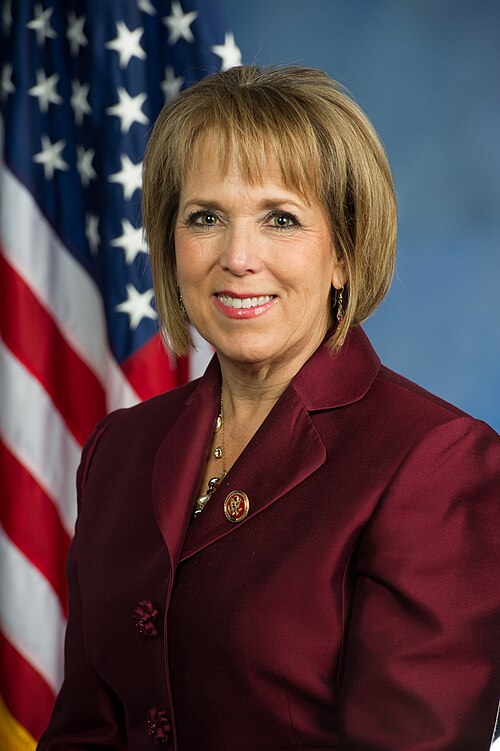 Michelle Lujan GrishamGovernor of New MexicoDirectly involved
Before this statement
The governor's office issued the statement the day DHS published the waiver in the Federal Register, saying federal contractors had drilled at least eight wells without state permits.
"New Mexico will not stand by while the federal government carelessly drains our most precious resource to push its inhumane agenda. New Mexicans refuse to pay for the federal government's flagrant disregard for the Constitution with our water."
CondemnedResponding to: The DHS waiver of New Mexico's water laws is unconstitutional because the state constitution makes New Mexico's water public property and the Tenth Amendment protects the state's authority to regulate it.
Full statement and sources
Lujan Grisham says the federal government is draining New Mexico's water in disregard of the Constitution and that the state will not stand by, while adding that New Mexico supports border security done in partnership with states.
After the statement
She said New Mexico wants a secure border and supports investment against drugs, contraband and human trafficking, but that it "has to be done in partnership with states, not at their expense." She also called the waiver "massive overreach".
Federal government claims power to override New Mexico law over illegal border wells · Michelle Lujan GrishamFull releaseDHS waives New Mexico water laws for border wall wells · Albuquerque JournalFull articleWhy this label?
The reference point is DHS's October 2 waiver of New Mexico water law and the federal use of wells drilled without state permits for border wall construction. Lujan Grisham says the federal government "carelessly drains our most precious resource" with "flagrant disregard for the Constitution", so we labeled it Condemned. The closest competing label is Mixed or conditional; it loses because her support for border security does not extend to the waiver, which she opposes outright.
This label describes the statement's response within the context above.
Elizabeth K. AndersonNew Mexico State Engineer Before this statement
In the same release, Anderson said the Department of Homeland Security "is stealing water from New Mexicans to build the border wall".
"Rather than do the right thing and follow the law, DHS is trying to waive all of New Mexico's water laws. This so-called waiver is unconstitutional."
CondemnedResponding to: The DHS waiver of New Mexico's water laws is unconstitutional because the state constitution makes New Mexico's water public property and the Tenth Amendment protects the state's authority to regulate it.
Full statement and sources
Anderson says DHS is trying to waive all of New Mexico's water laws instead of following them and calls the waiver unconstitutional.
After the statement
She said her office would continue fighting for New Mexico's water rights holders. Her office sued the United States and the border wall contractors in August.
Federal government claims power to override New Mexico law over illegal border wells · Michelle Lujan GrishamFull releaseWhy this label?
The reference point is DHS's October 2 waiver of New Mexico water law and the federal use of wells drilled without state permits for border wall construction. Anderson says DHS should "follow the law" and calls the waiver "unconstitutional", so we labeled it Condemned. The closest competing label is Challenged characterization; it loses because she rejects the waiver itself, not a description of it.
This label describes the statement's response within the context above.
Sources
(7)
Original text
Determination Pursuant to Section 102 of the Illegal Immigration Reform and Immigrant Responsibility Act of 1996, as Amended
Relevant passage: 91 FR 62739-62740, Determination and Waiver, Sections 1 and 2
About this source
Department of Homeland Security notice in the Federal Register, FR Doc. 2026-20233, signed by Secretary Markwayne Mullin. It waives the New Mexico Water Code and two parts of the state's well-drilling rules for border barrier and road construction, including the drilling and operation of wells, in a stretch of the El Paso Sector in New Mexico. It took effect on October 2, 2026.
- Author
- Markwayne Mullin
- Published
- Accessed
Official statement
Federal government claims power to override New Mexico law over illegal border wells
Relevant passage: Full release
About this source
Press release from Gov. Michelle Lujan Grisham's office dated October 2, 2026, responding to the DHS waiver published that day. It includes statements from the governor and State Engineer Elizabeth K. Anderson and says DHS is still using at least three wells drilled without state permits.
- Author
- Office of the Governor
- Published
- Accessed
Reporting
New Mexico sues feds, contractors over water wells drilled to aid border wall construction
Relevant passage: Full article
About this source
Source New Mexico report on the lawsuit Gov. Michelle Lujan Grisham announced on August 26, 2026, against the United States and the border wall contractors over wells drilled without state permits, with statements from the governor and State Engineer Elizabeth Anderson.
- Author
- Patrick Lohmann
- Published
- Accessed
Original text
OSE Hot Topics: Border Wall and Project Jupiter
Relevant passage: Slides 2 to 4, Border Wall Wells
About this source
Slide presentation by Office of the State Engineer general counsel Nat Chakeres to the New Mexico Legislature's interim Courts, Corrections and Justice Committee on October 6, 2026, posted as a committee handout. Slides 2 to 4 describe the border wall wells, the state's lawsuit and the agency's response to the DHS waiver.
- Author
- Nat Chakeres
- Published
- Accessed
Reporting
DHS waives New Mexico water laws for border wall wells
Relevant passage: Full article
About this source
Albuquerque Journal report on the waiver, with Gov. Michelle Lujan Grisham's written statement, State Engineer Elizabeth Anderson's response and comments from the New Mexico Cattle Growers' Association.
- Author
- Algernon D'Ammassa
- Published
- Accessed
Reporting
Trump administration says it's waiving New Mexico water law to keep using disputed wells for border wall
Relevant passage: Full article
About this source
Report by Julia Gentin for The Las Cruces New Mexican, The Santa Fe New Mexican and Searchlight New Mexico on the waiver, the state's August 26 lawsuit and the October 6 committee hearing, with quotes from Nat Chakeres, Rep. Tara Lujan and Sen. Joseph Cervantes. It also summarizes the federal government's arguments for the waiver.
- Author
- Julia Gentin
- Published
- Accessed
Reporting
State engineer denounces 'outrageous' federal waiver of New Mexico water laws to build border wall
Relevant passage: Full article
About this source
Source New Mexico report on Office of the State Engineer general counsel Nat Chakeres's October 6, 2026, testimony to the legislature's interim Courts, Corrections and Justice Committee about the DHS waiver and the condition of the federal border wells.
- Author
- Patrick Lohmann
- Published
- Accessed
Share or embed this case
The embed keeps its attribution link to The Dispute Index. Credit the image to The Dispute Index and link to the case page.
Cite this record
- Publisher
- The Dispute Index
- Title
- DHS waives New Mexico water law for border wall wells; state officials call the waiver unconstitutional
- First published
- Last updated
- Permalink
- https://disputeindex.com/cases/dhs-waiver-new-mexico-water-law-border-wall-wells
The Dispute Index. "DHS waives New Mexico water law for border wall wells; state officials call the waiver unconstitutional". First published: 2026-10-17. Last updated: 2026-10-17. https://disputeindex.com/cases/dhs-waiver-new-mexico-water-law-border-wall-wells