
Columbia's CODA cancels a press-freedom panel after Sundial's Cornell 7 essay; critics object
Case period:
Published by The Dispute Index editorial teamPublished Updated
Overview
Columbia Open Discourse Alliance canceled a press-freedom panel after the Sundial published its Cornell 7 essay. CODA cited survivors' participation and safety. Critics challenged the cancellation; faculty advisers gave qualified assessments of that decision.
Read the full background
On October 14, 2026, CODA canceled Who Gets to Tell the Story? Press Freedom and the Public Square. Sundial editor-in-chief Nick Baum was scheduled to participate. The previous day, the Sundial had published Christina Ma and Nikos Mohammadi's essay about the Cornell allegations. This case examines whether canceling that panel was justified. The dispute over the essay itself provides background.
CODA said survivors felt their accounts were under attack and that the event could not provide an appropriate environment. Aufzien opposed the original essay's treatment of consent but argued that publication and discussion should continue. Founder Clayton Smith said CODA should have arranged discussion rather than canceled the event. Jonathan Turley also criticized the cancellation.
In interviews published October 21, faculty adviser Eli Noam accepted the possibility of disruption while criticizing CODA's condemnation of the essay. John McWhorter found the safety concern understandable but said he would have held the event. These are qualified assessments rather than unreserved endorsements of cancellation. This case concerns CODA's decision, not a finding about the underlying Cornell allegations.
People in this case
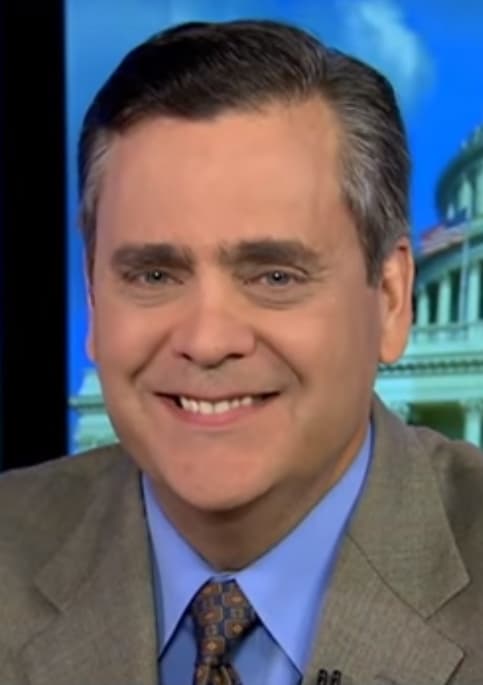 Jonathan TurleyDirectly involved
Timeline
3 timeline entries on this page. Dates: October 13, 2026 to October 23, 2026
October 2026
Sundial publishes the Cornell Seven essay
Source release
Christina Ma and Nikos Mohammadi publish their essay discussing the Cornell allegations and sexual ethics.
[01]The 'Cornell Seven' Is Really About Liberalism
Ma and Mohammadi discuss sexual ethics and the response to the Cornell allegations. The publication identifies this as the authors' opinion.
The 'Cornell Seven' Is Really About LiberalismOriginal essay and closing author disclaimerCODA cancels its press-freedom panel
Incident
The executive board announces cancellation and cites participation and safety concerns.
[02]Columbia Open Discourse Alliance
CODA explains why it canceled its press-freedom panel. The statement is reproduced as an image in Reason's reporting.
CODA executive board statement explaining the panel cancellation · Columbia Open Discourse AllianceFirst slide of the later October 14 statement; reproduced imageCODA's founder publishes his objection
Reaction
Clayton Smith argues that CODA betrayed its mission and recommends resignation for board members who supported the statements.
[03]I Founded CODA. It Has Betrayed Its Mission.
Smith disputes CODA's response and urges changes in its leadership. His claims about motives are his interpretation.
I Founded CODA. It Has Betrayed Its Mission.The Betrayal and What Should Happen Now? sections
Claims
Claims separate what was said from what is contested. Follow each source for the original wording and context.
What's disputed
Disputed claim
Columbia Open Discourse Alliance
The scheduled panel could not provide an appropriate environment for discussion given concerns about survivors' participation and safety.
Sources (1)
- CODA executive board statement explaining the panel cancellation · Columbia Open Discourse AllianceFirst slide of the later October 14 statement; reproduced image
Disputed claim
Smith argues that CODA violated its founding mission by canceling the panel and condemning the essay.
Sources (1)
- I Founded CODA. It Has Betrayed Its Mission.The Betrayal and What Should Happen Now? sections
Response record
Responses
Choose one response filter, or select All responses to see the full record.
5 matching responses. Newest first.
Clayton SmithCODA founder and Discourse Lab host writing in his own nameDirectly involved Before this statement
Smith argues that CODA was founded partly to keep emotional reactions from stopping events.
"They have blatantly betrayed CODA’s mission."
CondemnedCase context: Columbia's CODA cancels a press-freedom panel after Sundial's Cornell 7 essay; critics object
Full statement and sources
Smith says CODA's statements betrayed its mission and recommends resignation for board members who supported them.
After the statement
He recommends resignation for board members who supported the statements, while allowing dissenting members to remain.
I Founded CODA. It Has Betrayed Its Mission.The Betrayal and What Should Happen Now? sectionsWhy this label?
The case concerns cancellation. Smith treats the response as a violation of the organization's purpose and calls for leadership changes.
This label describes the statement's response within the context above.
John McWhorterCODA honorary faculty fellow interviewed by ReasonDirectly involved Before this statement
McWhorter understands the concern about possible disruption but says he would have held the panel himself.
"it may have made the more reluctant people less apprehensive"
Mixed or conditionalCase context: Columbia's CODA cancels a press-freedom panel after Sundial's Cornell 7 essay; critics object
Full statement and sources
McWhorter finds concerns about survivors' participation and disruption understandable, while preferring to hold the event.
After the statement
His quoted explanation is that holding the event might have reassured people reluctant to speak.
A Free Speech Group at Columbia Canceled an Event About Free Speech Over 'Cornell 7' Article ControversyInterviews with Eli Noam, John McWhorter and other participantsWhy this label?
The case concerns cancellation. His sympathy for its safety rationale is qualified by his preference to proceed with the event.
This label describes the statement's response within the context above.
Shoshana AufzienSundial staff editor writing in her own nameDirectly involved Before this statement
At the beginning of her article, Aufzien says she opposed the essay's argument but defended its publication.
"CODA’s response was a failure of nerve."
CondemnedCase context: Columbia's CODA cancels a press-freedom panel after Sundial's Cornell 7 essay; critics object
Full statement and sources
Aufzien criticizes CODA's cancellation of its press-freedom panel.
After the statement
She argues that CODA answered the panel's question before participants could speak.
Now It's Really About LiberalismParagraphs discussing CODA, beginning with the failure-of-nerve argumentWhy this label?
The case concerns cancellation, which she criticizes. Her disagreement with the essay concerns a different editorial decision.
This label describes the statement's response within the context above.
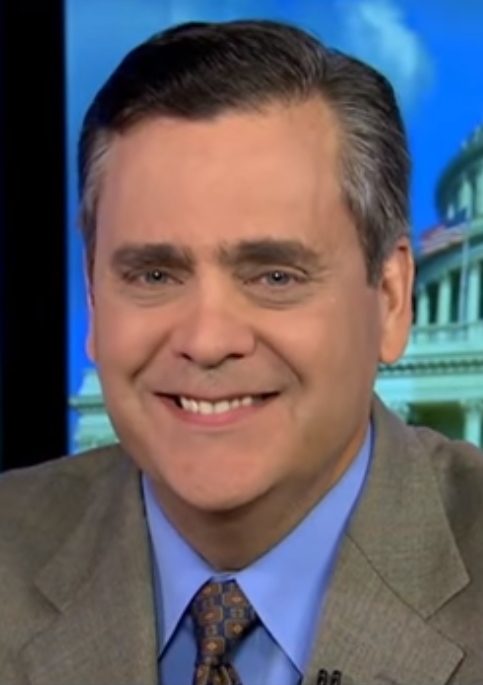 Jonathan TurleyLaw professor writing in his own nameDirectly involved
Before this statement
Turley describes the cancellation after the Sundial essay and challenges CODA's safety explanation.
"Universities are supposed to be places where such questions can be discussed openly and freely."
CondemnedCase context: Columbia's CODA cancels a press-freedom panel after Sundial's Cornell 7 essay; critics object
Full statement and sources
Turley criticizes canceling a press-freedom event after publication of contested opinions.
After the statement
He argues that the response punished contested views rather than allowing discussion.
Turley criticizes cancellation of the Columbia press-freedom panel · Jonathan TurleyOpening discussion of the cancellation and campus debateWhy this label?
The case concerns cancellation. Turley criticizes that decision and argues that universities should allow discussion of difficult questions.
This label describes the statement's response within the context above.
Columbia Open Discourse AllianceExecutive board speaking for CODADirectly involved Before this statement
CODA announces that its scheduled press-freedom panel will not take place.
"The safety and wellbeing of our attendees and the Columbia community was also a key concern."
Defended or excusedCase context: Columbia's CODA cancels a press-freedom panel after Sundial's Cornell 7 essay; critics object
Full statement and sources
CODA says safety and survivors' ability to participate influenced its decision to cancel the panel.
After the statement
The statement says the event could not provide the environment the discussion deserved.
CODA executive board statement explaining the panel cancellation · Columbia Open Discourse AllianceFirst slide of the later October 14 statement; reproduced imageWhy this label?
The case concerns cancellation. CODA gives safety and participation as reasons for that decision.
This label describes the statement's response within the context above.
Sources
(6)
Official statement
CODA executive board statement explaining the panel cancellation
Relevant passage: First slide of the later October 14 statement; reproduced image
About this source
CODA explains why it canceled its press-freedom panel. The statement is reproduced as an image in Reason's reporting.
- Author
- CODA Executive Board
- Published
- Accessed
Analysis
Turley criticizes cancellation of the Columbia press-freedom panel
Relevant passage: Opening discussion of the cancellation and campus debate
About this source
Turley objects to canceling the panel after publication of the Sundial essay. His comparisons with other cases are his analysis.
- Author
- Jonathan Turley
- Published
- Accessed
Analysis
The 'Cornell Seven' Is Really About Liberalism
Relevant passage: Original essay and closing author disclaimer
About this source
Ma and Mohammadi discuss sexual ethics and the response to the Cornell allegations. The publication identifies this as the authors' opinion.
- Author
- Christina Ma and Nikos Mohammadi
- Published
- Accessed
Reporting
A Free Speech Group at Columbia Canceled an Event About Free Speech Over 'Cornell 7' Article Controversy
Relevant passage: Interviews with Eli Noam, John McWhorter and other participants
About this source
Original interviews distinguish safety concerns, the cancellation decision and condemnation of the Sundial essay.
- Author
- Meagan O'Rourke
- Published
- Accessed
Analysis
I Founded CODA. It Has Betrayed Its Mission.
Relevant passage: The Betrayal and What Should Happen Now? sections
About this source
Smith disputes CODA's response and urges changes in its leadership. His claims about motives are his interpretation.
- Author
- Clayton Smith
- Published
- Accessed
Analysis
Now It's Really About Liberalism
Relevant passage: Paragraphs discussing CODA, beginning with the failure-of-nerve argument
About this source
Aufzien criticizes the original essay while defending its publication and opposing CODA's cancellation.
- Author
- Shoshana Aufzien
- Published
- Accessed
Share or embed this case
The embed keeps its attribution link to The Dispute Index. Credit the image to The Dispute Index and link to the case page.
Cite this record
- Publisher
- The Dispute Index
- Title
- Columbia's CODA cancels a press-freedom panel after Sundial's Cornell 7 essay; critics object
- First published
- Last updated
- Permalink
- https://disputeindex.com/cases/columbia-coda-sundial-cornell-7-panel-cancellation
The Dispute Index. "Columbia's CODA cancels a press-freedom panel after Sundial's Cornell 7 essay; critics object". First published: 2026-10-25. Last updated: 2026-10-25. https://disputeindex.com/cases/columbia-coda-sundial-cornell-7-panel-cancellation