
Did Boy George remain the author of an AI-generated song?
Bandcamp removed Boy George's “We Will Dance Again” under its policy barring music generated wholly or substantially by AI. He said he wrote the lyrics and melody, used AI as a collaborator, and remained the author; his claim that pro-Israel objections motivated removal remains unestablished.
BackgroundHow are AI deepfakes and AI-generated content regulated?

Case period:
Published by The Dispute Index editorial teamPublished Updated
Overview
Bandcamp announced in January 2026 that music generated wholly or in substantial part by AI is not permitted and that it may remove music on suspicion of AI generation. Boy George disclosed AI assistance before the removal, first calling the song “AI for good” and later saying human collaborators would have interfered with his message. After removal, he emphasized that the lyrics and melody were his and attacked the platform's ability and consistency in policing AI. Bandcamp told NME the track violated its AI rule. Boy George separately alleged political pressure because the song supports Israel. The available record does not establish political motive. The dispute is therefore about authorship, substantial generation, and enforcement—not a settled claim of political censorship.
Background: How are AI deepfakes and AI-generated content regulated?
People in this case
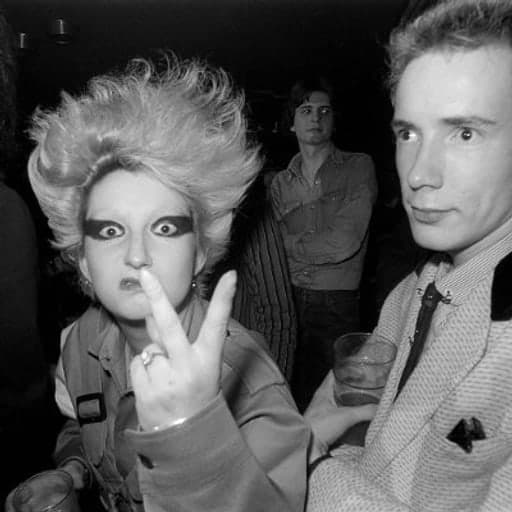 Boy GeorgeDirectly involved
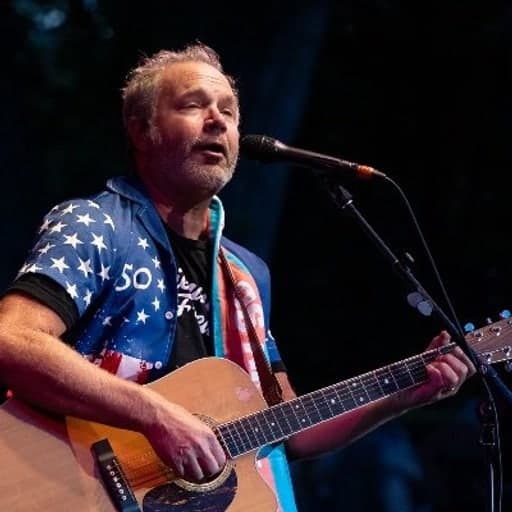 John OndrasikCommented
 Alex GalbraithCommented
Timeline
12 timeline entries on this page. Dates: July 26, 2026 to October 7, 2026
July 2026
Boy George posts “We Will Dance Again”
Source release
Boy George releases the pro-Israel reggae track on social media before it appears on Bandcamp.
[01]Boy George discloses AI use in new pro-Israel song
Source excerpt
The song was created using AI. I call it “AI for good.”
Contemporaneous reporting preserving Boy George’s disclosure of AI assistance before Bandcamp removed the track.
Boy George discloses AI assistance
Claim
He says the song was created using AI, calls the use “AI for good,” and says writing it with a human would have been difficult.
[01]Boy George discloses AI use in new pro-Israel song
Source excerpt
The song was created using AI. I call it “AI for good.”
Contemporaneous reporting preserving Boy George’s disclosure of AI assistance before Bandcamp removed the track.
August 2026
Bandcamp removes the track and Boy George’s profile
Incident
The track and profile are removed after the song had been available through the marketplace for roughly a day.
[02]Bandcamp gives a case-specific reason for removing Boy George’s song
Source excerpt
Music and audio that is generated wholly or in substantial part by AI is not permitted on Bandcamp.
Reporting that includes Bandcamp’s case-specific response citing its published AI policy as the reason for removal.
[03]Boy George Slams Bandcamp After Platform Removes ‘We Will Dance Again’ — But Why Did He Use AI?
Source excerpt
Leave the creative process to the artists. Even if you don’t agree with it.
Reporting preserving Boy George’s enforcement criticism, refund request, open admission of AI use, and separate allegation of political pressure.
Bandcamp cites its substantial-AI policy
Reaction
Bandcamp tells NME that the track violated its rule against music generated wholly or substantially by AI.
[04]Bandcamp’s mission and approach to generative AI
Source excerpt
Music and audio that is generated wholly or in substantial part by AI is not permitted on Bandcamp.
First-party policy stating Bandcamp’s human-creativity rationale, substantial-generation restriction, impersonation rule, reporting process, and removal authority.
[02]Bandcamp gives a case-specific reason for removing Boy George’s song
Source excerpt
Music and audio that is generated wholly or in substantial part by AI is not permitted on Bandcamp.
Reporting that includes Bandcamp’s case-specific response citing its published AI policy as the reason for removal.
Boy George attacks enforcement and alleges political pressure
Reaction
He challenges Bandcamp’s ability to identify AI music, requests refunds, and separately alleges that opponents of the song prompted removal.
[03]Boy George Slams Bandcamp After Platform Removes ‘We Will Dance Again’ — But Why Did He Use AI?
Source excerpt
Leave the creative process to the artists. Even if you don’t agree with it.
Reporting preserving Boy George’s enforcement criticism, refund request, open admission of AI use, and separate allegation of political pressure.
Alex Galbraith rejects Boy George’s authorship framing
Reaction
In signed Salon commentary, Galbraith argues that the machine displaced the material work of making the recording.
[05]Sorry, Boy George. AI can’t even make bad art
Source excerpt
The fact that no one made it, that it’s the creation of a machine that hallucinates in exchange for electricity, only intensifies the sick, empty feeling the track leaves behind.
Signed commentary arguing that human effort in performance, arrangement, recording, and mixing is part of authorship and was displaced by AI.
Boy George's non-AI album returns to Bandcamp while "We Will Dance Again" stays off
Six days after the removal, Boy George posts that his album SE!8 is back on Bandcamp "but not the AI creations," and that "We Will Dance Again" must now be bought through Payhip rather than Bandcamp. The post distinguishes his "AI pop shop" on Payhip from the "more organic stuff" on Bandcamp. It records the state of his catalogue on each platform at that date and does not itself make an argument about authorship or about why the track was removed.
[06]Boy George on X: his non-AI album returns to Bandcamp while the AI work stays off
Source excerpt
Life is strange, so my album SE!8 is now on @bandcamp but not the AI creations so you can go to my Pay Hip AI pop shop and buy my work if your open to it and on Bandcamp more organic stuff. To buy 'We Will Dance Again' you must use 'Pay Hip' Boy George. On Bandcamp boygeorge3. Onwards and upwards.
Posted six days after Bandcamp removed the track and his profile. It records that his profile and his non-AI album had been restored to Bandcamp while "We Will Dance Again" had not, and that the song was by then being sold through Payhip instead. Boy George uses the words "the AI creations" and "AI pop shop" for his own work here, and describes the Bandcamp catalogue as "more organic stuff." The post announces where the music can be bought; it does not argue about authorship or about the platform's motives.
Boy George on X: his non-AI album returns to Bandcamp while the AI work stays offFull text of the post.Boy George gives a fuller AI-authorship defense
Claim
He says the lyrics and melody are his, calls AI a collaborator, and argues that it made him more creative.
[07]Boy George defends AI use and his authorship of “We Will Dance Again”
Source excerpt
I wrote that song. The lyrics are mine, the melody is mine.
Reporting reproducing Boy George’s detailed authorship defense, description of AI as removing human interference, and political-motive allegation.
John Ondrasik defends Boy George and minimizes the platform dispute
Reaction
Ondrasik describes AI use as common and treats the Bandcamp conflict as secondary to backlash over the song’s political message.
[08]John Ondrasik defends Boy George and calls AI use common in music
Source excerpt
Whatever you think of AI, the practice is common in the music business these days.
Signed opinion defending Boy George and the song while treating the Bandcamp dispute as secondary to the political backlash.
Boy George announces he has re-recorded the song with live musicians
Boy George posts that he has recorded an "organic version" of "We Will Dance Again" with all live musicians, crediting the collaborator by the X handle @KevanFrost, and says live brass will follow. This is the first public account of the re-recording, three weeks before he described it from the stage in Vancouver on September 9.
[09]Boy George on X: "I just recorded the organic version of 'We Will Dance Again'"
Source excerpt
It's done. I just recorded the organic version of 'We Will Dance Again. All live musicians. Well @KevanFrost always thought he was Prince. Live brass next. Today is a very powerful day. I hope we can all give peace a chance!
Boy George announced an "organic version" with live musicians on August 18, 2026, tagging his collaborator Kevan Frost (@KevanFrost). The Times of Israel transcription uses "Kevin Frost". IBDB's Broadway credits for Taboo list his name as Kevan Frost.
Boy George on X: "I just recorded the organic version of 'We Will Dance Again'"Full text of the post.
September 2026
Boy George performs "We Will Dance Again" live for the first time at Vancouver synagogue event
Incident
Boy George appeared at an event organized by the Jewish Federation of British Columbia and CIJA at Vancouver's Temple Sholom, where he was presented with an inscribed shofar and performed "We Will Dance Again" live for the first time, saying the song would "soon receive a professional release." He reiterated his allegation that Bandcamp removed the song because of its pro-Israel message. The performance is recorded in his own public post, in a first-hand account by the synagogue's senior rabbi, and in independent reporting.
[10]Boy George honoured by Vancouver Jewish community for standing with Israel
Reports Boy George's Sept 9, 2026 appearance at Vancouver's Temple Sholom, where he performed "We Will Dance Again" live for the first time and reiterated his allegation that Bandcamp's removal was politically motivated.
[11]Boy George
Source excerpt
I just performed ‘We Will Dance Again’ in a synagogue in Vancouver and it was absolutely magical.
Boy George’s direct report after the September 9 Temple Sholom event. The post establishes what he said about the performance; the event itself is independently corroborated by a first-hand account and reporting.
Boy George says he performed “We Will Dance Again” at a Vancouver synagogue · Boy GeorgeX post 2097901504489537738; displayed 12:14 AM September 10, 2026 timestamp[12]Rabbi Dan Moskovitz’s first-hand account of Boy George’s Temple Sholom performance
Source excerpt
As he told me Wednesday night as he sat on the bema of my congregation Temple Sholom in Vancouver BC.
First-person account by Temple Sholom’s senior rabbi and host of the September 9 event.
Rabbi Dan Moskovitz’s first-hand account of Boy George’s Temple Sholom performancePublished September 11, 2026; author identifies himself as Temple Sholom’s senior rabbi and recounts the September 9 event[13]Times of Israel reports Boy George’s first public performance of “We Will Dance Again”
Source excerpt
Boy George sang “We Will Dance Again” for the first time in public this week.
The report covers Boy George's September 9, 2026, performance at Temple Sholom. It quotes him describing an original AI version and a later recording made "organically" with Kevan Frost. The later recording is distinct from the AI version Bandcamp removed.
Times of Israel reports Boy George’s first public performance of “We Will Dance Again”Published September 12, 2026; paragraphs reporting the September 9 Temple Sholom performance and Boy George’s account of the recording
October 2026
Boy George announces forthcoming song remix
Claim
Boy George announced an Undercover producer remix of We Will Dance Again for the following Friday. He described a planned broad release without specifying the role of AI in the remix or its availability on Bandcamp.
[14]Boy George announces a remix of We Will Dance Again
Boy George announces a forthcoming remix and planned release. The post does not explain its production methods or Bandcamp availability.
Boy George announces a remix of We Will Dance AgainOriginal post announcing the Undercover producer remix
Claims
Claims separate what was said from what is contested. Follow each source for the original wording and context.
What's disputed
Disputed claim
Boy George remained the song’s author because he wrote its lyrics and melody and used AI as a creative collaborator.
Disputed claim
Bandcamp
“We Will Dance Again” fell outside Bandcamp’s permitted catalog because its finished audio was generated wholly or substantially by AI.
Disputed claim
Political opposition to the song’s pro-Israel message, rather than neutral application of the AI policy, prompted Bandcamp’s removal.
Arguments
Editorial analysis
Bandcamp's restriction concerns the finished audio
Bandcamp’s rule concerns how much of the finished audio was generated, not whether a human supplied an initial lyric or melody. Boy George described AI as replacing the human musicians, performance choices, and objections that otherwise would have shaped the recording, supporting the conclusion that generative production was substantial.
Limit of this argument
Boy George says he supplied the lyrics and melody and exercised selection and direction, which are genuine human creative contributions.
Read sources and related claim
Related claim
“We Will Dance Again” fell outside Bandcamp’s permitted catalog because its finished audio was generated wholly or substantially by AI.
Editorial analysis
Human direction can matter even when AI produces the performance
Authorship can reside in writing, melodic composition, selection, and direction even when software produces the audible performance. Bandcamp does not define “substantial,” identify which elements crossed its threshold, or publish an appeal standard, leaving a meaningful dispute over whether its rule fairly captures a human-directed work.
Limit of this argument
Boy George has not publicly detailed the model, prompts, generated stems, vocal process, arrangement process, or proportion of the finished audio produced by AI.
Read sources and related claim
Related claim
“We Will Dance Again” fell outside Bandcamp’s permitted catalog because its finished audio was generated wholly or substantially by AI.
Response record
Responses
Choose one response filter, or select All responses to see the full record.
6 responses. Newest first.
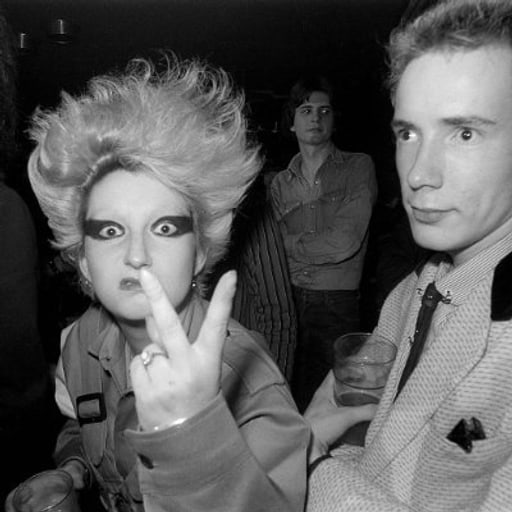 Boy GeorgeMusician; credited artist on "We Will Dance Again"Directly involved
Before this statement
Performing "We Will Dance Again" live for the first time, at a Vancouver synagogue, September 9, 2026.
"As much as people kind of feel like they're against AI, I mean, all pop music for the last 30 years is artificial intelligence. Every band uses computers on stage, even rock bands."
Mixed or conditionalCase context: Did Boy George remain the author of an AI-generated song?
Full statement and sources
Boy George revealed he has now re-recorded "We Will Dance Again" "organically" with longtime Culture Club collaborator Kevan Frost after "originally" releasing an AI version, while arguing that AI use is already pervasive and unremarkable in pop music.
After the statement
The organic re-recording features longtime Culture Club collaborator Kevan Frost, a Tony-nominated co-composer.
Why this label?
Boy George discloses he has now re-recorded the song 'organically' with a human co-writer, which concedes the original was AI-generated, while simultaneously defending AI's broader use in pop music as unremarkable.
This label describes the statement's response within the context above.
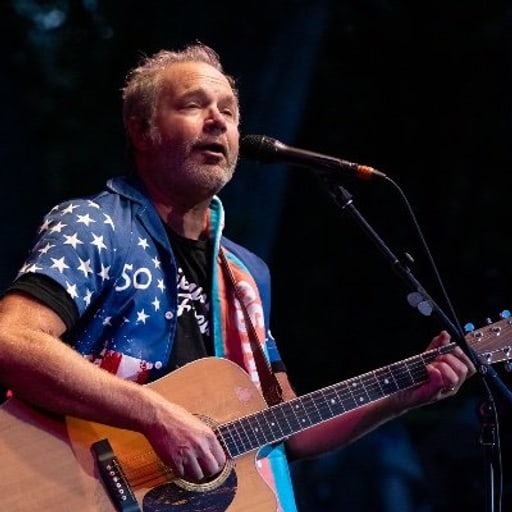 John OndrasikSinger-songwriter publishing signed Washington Post opinion commentary
Before this statement
Ondrasik describes the hostility Boy George faced over the song’s pro-Israel message.
"Whatever you think of AI, the practice is common in the music business these days."
Defended or excusedResponding to: Boy George remained the song’s author because he wrote its lyrics and melody and used AI as a creative collaborator.
Full statement and sources
John Ondrasik defended Boy George and treated his AI use as common rather than disqualifying.
After the statement
He calls the Bandcamp dispute a sideshow, making this defense weaker on the precise platform-policy question.
Why this label?
The signed commentary normalizes the disputed production method while defending the artist and song.
This label describes the statement's response within the context above.
- Boy GeorgeSongwriter and recording artist responding to a platform removalDirectly involved
Before this statement
Boy George had already disclosed AI use and described it as a way to avoid interference from human collaborators.
"I wrote that song. The lyrics are mine, the melody is mine."
Challenged the characterizationResponding to: Boy George remained the song’s author because he wrote its lyrics and melody and used AI as a creative collaborator.
Full statement and sources
Boy George challenged the implication that AI generation erased his authorship of the song.
After the statement
He likened AI to the musicians with whom he normally collaborates and said the technology made him more creative.
Why this label?
He accepts using AI but directly disputes the characterization that the resulting work was not authored by him.
This label describes the statement's response within the context above.
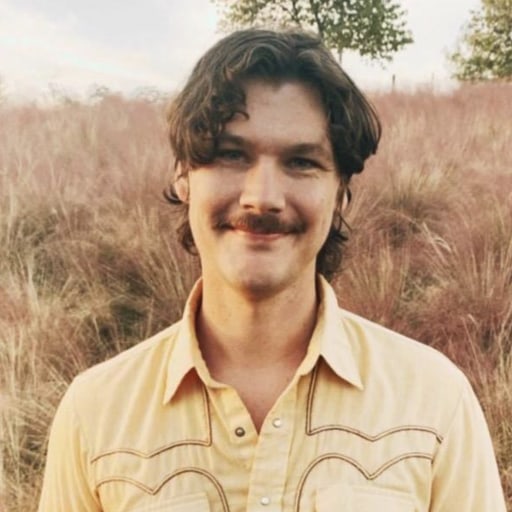 Alex GalbraithSenior writer publishing signed cultural commentary in Salon
Before this statement
Galbraith contrasts writing and recording labor with prompting, approving, and distributing generated output.
"The fact that no one made it, that it’s the creation of a machine that hallucinates in exchange for electricity, only intensifies the sick, empty feeling the track leaves behind."
CondemnedResponding to: Boy George remained the song’s author because he wrote its lyrics and melody and used AI as a creative collaborator.
Full statement and sources
Alex Galbraith rejected Boy George’s authorship framing and argued that the machine displaced the work of making the record.
After the statement
He also condemns the song’s political content, a judgment separate from his authorship argument.
Why this label?
The signed commentary directly condemns both the AI process and the resulting claim to artistic creation.
This label describes the statement's response within the context above.
- Boy GeorgeRecording artist challenging a distribution platform’s enforcementDirectly involved
Before this statement
After the removal, Boy George pointed to other AI-assisted material he said remained available on Bandcamp.
"Leave the creative process to the artists. Even if you don’t agree with it."
CondemnedResponding to: “We Will Dance Again” fell outside Bandcamp’s permitted catalog because its finished audio was generated wholly or substantially by AI.
Full statement and sources
Boy George condemned Bandcamp’s enforcement as unreliable interference with artistic control.
After the statement
He requested refunds for buyers and separately alleged political pressure; the latter remains an unestablished causal claim.
Why this label?
The statement directly rejects the platform’s intervention and demands that creative decisions remain with artists.
This label describes the statement's response within the context above.
 BandcampInstitutional policy and case-specific platform responseDirectly involved
Before this statement
Bandcamp had published its generative-AI rule in January, before Boy George uploaded the track.
"Music and audio that is generated wholly or in substantial part by AI is not permitted on Bandcamp."
Defended or excusedResponding to: “We Will Dance Again” fell outside Bandcamp’s permitted catalog because its finished audio was generated wholly or substantially by AI.
Full statement and sources
Bandcamp conditionally permits human music while excluding audio it determines was generated wholly or substantially by AI.
After the statement
Its case-specific response cited that rule but did not disclose the evidence, define “substantial,” or describe an appeal process.
Why this label?
The case-specific NME statement says removal enforced its AI rule. A general eligibility threshold is not an unresolved condition or mixed attitude toward this removal.
This label describes the statement's response within the context above.
Sources
(15)
Official statement
Bandcamp’s mission and approach to generative AI
Excerpt
"Music and audio that is generated wholly or in substantial part by AI is not permitted on Bandcamp."
About this source
First-party policy stating Bandcamp’s human-creativity rationale, substantial-generation restriction, impersonation rule, reporting process, and removal authority.
- Published
- Accessed
Original post
Boy George announces a remix of We Will Dance Again
About this source
Boy George announces a forthcoming remix and planned release. The post does not explain its production methods or Bandcamp availability.
- Author
- Boy George
- Published
- Accessed
Original post
Boy George on X: "I just recorded the organic version of 'We Will Dance Again'"
Excerpt
"It's done. I just recorded the organic version of 'We Will Dance Again. All live musicians. Well @KevanFrost always thought he was Prince. Live brass next. Today is a very powerful day. I hope we can all give peace a chance!"
About this source
Boy George announced an "organic version" with live musicians on August 18, 2026, tagging his collaborator Kevan Frost (@KevanFrost). The Times of Israel transcription uses "Kevin Frost". IBDB's Broadway credits for Taboo list his name as Kevan Frost.
- Author
- Boy George
- Published
- Accessed
Original post
Boy George on X: his non-AI album returns to Bandcamp while the AI work stays off
Excerpt
"Life is strange, so my album SE!8 is now on @bandcamp but not the AI creations so you can go to my Pay Hip AI pop shop and buy my work if your open to it and on Bandcamp more organic stuff. To buy 'We Will Dance Again' you must use 'Pay Hip' Boy George. On Bandcamp boygeorge3. Onwards and upwards."
About this source
Posted six days after Bandcamp removed the track and his profile. It records that his profile and his non-AI album had been restored to Bandcamp while "We Will Dance Again" had not, and that the song was by then being sold through Payhip instead. Boy George uses the words "the AI creations" and "AI pop shop" for his own work here, and describes the Bandcamp catalogue as "more organic stuff." The post announces where the music can be bought; it does not argue about authorship or about the platform's motives.
- Author
- Boy George
- Published
- Accessed
Reporting
Boy George performs "We Will Dance Again" at Vancouver synagogue
Excerpt
"As much as people kind of feel like they're against AI, I mean, all pop music for the last 30 years is artificial intelligence. Every band uses computers on stage, even rock bands."
About this source
Times of Israel report on Boy George's September 9, 2026 Vancouver synagogue performance, at which he discussed re-recording "We Will Dance Again" organically after the original AI version.
- Published
- Accessed
Reporting
Boy George honoured by Vancouver Jewish community for standing with Israel
About this source
Reports Boy George's Sept 9, 2026 appearance at Vancouver's Temple Sholom, where he performed "We Will Dance Again" live for the first time and reiterated his allegation that Bandcamp's removal was politically motivated.
- Author
- Deborah Stern Silver
- Published
- Accessed
Reporting
Times of Israel reports Boy George’s first public performance of “We Will Dance Again”
Relevant passage: Published September 12, 2026; paragraphs reporting the September 9 Temple Sholom performance and Boy George’s account of the recording
Excerpt
"Boy George sang “We Will Dance Again” for the first time in public this week."
About this source
The report covers Boy George's September 9, 2026, performance at Temple Sholom. It quotes him describing an original AI version and a later recording made "organically" with Kevan Frost. The later recording is distinct from the AI version Bandcamp removed.
- Author
- Times of Israel Staff
- Published
- Accessed
Original text
Rabbi Dan Moskovitz’s first-hand account of Boy George’s Temple Sholom performance
Relevant passage: Published September 11, 2026; author identifies himself as Temple Sholom’s senior rabbi and recounts the September 9 event
Excerpt
"As he told me Wednesday night as he sat on the bema of my congregation Temple Sholom in Vancouver BC."
About this source
First-person account by Temple Sholom’s senior rabbi and host of the September 9 event.
- Author
- Dan Moskovitz
- Published
- Accessed
Original post
Boy George says he performed “We Will Dance Again” at a Vancouver synagogue
Excerpt
"I just performed ‘We Will Dance Again’ in a synagogue in Vancouver and it was absolutely magical."
About this source
Boy George’s direct report after the September 9 Temple Sholom event. The post establishes what he said about the performance; the event itself is independently corroborated by a first-hand account and reporting.
- Author
- Boy George
- Published
- Accessed
Analysis
John Ondrasik defends Boy George and calls AI use common in music
Excerpt
"Whatever you think of AI, the practice is common in the music business these days."
About this source
Signed opinion defending Boy George and the song while treating the Bandcamp dispute as secondary to the political backlash.
- Author
- John Ondrasik
- Published
- Accessed
Analysis
Sorry, Boy George. AI can’t even make bad art
Excerpt
"The fact that no one made it, that it’s the creation of a machine that hallucinates in exchange for electricity, only intensifies the sick, empty feeling the track leaves behind."
About this source
Signed commentary arguing that human effort in performance, arrangement, recording, and mixing is part of authorship and was displaced by AI.
- Author
- Alex Galbraith
- Published
- Accessed
Reporting
Boy George discloses AI use in new pro-Israel song
Excerpt
"The song was created using AI. I call it “AI for good.”"
About this source
Contemporaneous reporting preserving Boy George’s disclosure of AI assistance before Bandcamp removed the track.
- Author
- Chris DeVille
- Published
- Accessed
Reporting
Boy George defends AI use and his authorship of “We Will Dance Again”
Excerpt
"I wrote that song. The lyrics are mine, the melody is mine."
About this source
Reporting reproducing Boy George’s detailed authorship defense, description of AI as removing human interference, and political-motive allegation.
- Published
- Accessed
Reporting
Boy George Slams Bandcamp After Platform Removes ‘We Will Dance Again’ — But Why Did He Use AI?
Excerpt
"Leave the creative process to the artists. Even if you don’t agree with it."
About this source
Reporting preserving Boy George’s enforcement criticism, refund request, open admission of AI use, and separate allegation of political pressure.
- Author
- Ashley King
- Published
- Accessed
Reporting
Bandcamp gives a case-specific reason for removing Boy George’s song
Excerpt
"Music and audio that is generated wholly or in substantial part by AI is not permitted on Bandcamp."
About this source
Reporting that includes Bandcamp’s case-specific response citing its published AI policy as the reason for removal.
- Published
- Accessed
Corrections
(2)
Corrections address errors in our reporting or labels. When a speaker changes their position, we add a separate statement and link it to the earlier one.
Reporting correction
Correction to: Statement by Alex Galbraith
- Previous language
- The fact that no one made it, that it’s the creation of a machine, only intensifies the sick, empty feeling.
- Corrected language
- The fact that no one made it, that it’s the creation of a machine that hallucinates in exchange for electricity, only intensifies the sick, empty feeling the track leaves behind.
We shortened Alex Galbraith’s sentence without marking where words were left out. The entry now quotes the full sentence as Salon published it.
This corrects our account of what happened.
Signed commentary arguing that human effort in performance, arrangement, recording, and mixing is part of authorship and was displaced by AI.
Archived copy (opens in a new tab)Classification correction
Correction to: Statement by Bandcamp
- Previous classification
- Mixed or conditional. The policy draws an explicit conditional boundary rather than condemning every use of AI or the song’s political content.
- Corrected classification
- Defends or excuses. The case-specific NME statement says removal enforced its AI rule. A general eligibility threshold is not an unresolved condition or mixed attitude toward this removal.
We corrected the editorial classification of Bandcamp's response about Bandcamp’s removal of the track. The case-specific NME statement says removal enforced its AI rule. A general eligibility threshold is not an unresolved condition or mixed attitude toward this removal. This corrects our labeling, not a later change in the speaker's position.
This corrects an editorial classification.
First-party policy stating Bandcamp’s human-creativity rationale, substantial-generation restriction, impersonation rule, reporting process, and removal authority.
Reporting that includes Bandcamp’s case-specific response citing its published AI policy as the reason for removal.
Share or embed this case
The embed keeps its attribution link to The Dispute Index. Credit the image to The Dispute Index and link to the case page.
Cite this record
- Publisher
- The Dispute Index
- Title
- Did Boy George remain the author of an AI-generated song?
- First published
- Last updated
- Permalink
- https://disputeindex.com/cases/boy-george-bandcamp-ai-authorship-we-will-dance-again
The Dispute Index. "Did Boy George remain the author of an AI-generated song?". First published: 2026-09-09. Last updated: 2026-10-20. https://disputeindex.com/cases/boy-george-bandcamp-ai-authorship-we-will-dance-again