
Australia's Senate passes a bill creating defence security zones; the Greens say it can jail protesters and militarise data centres, and the government calls those claims false
Australia's Senate passed a bill on November 19, 2026, letting the defence minister declare security zones with jail penalties. The Greens say it can jail protesters and militarise data centres; the government says those claims are false.
Case period:
Published by The Dispute Index editorial teamPublished Updated
Where it stands
ActiveAs of
Established
- The bill lets the defence minister set up permanent, temporary, mobile and special defence security zones, including at industry facilities outside Defence land.Defence Security Zone Framework: frequently asked questions (opens in a new tab)Australia's new defence laws: A 'war against democracy' or critics 'jumping at shadows'? (opens in a new tab)
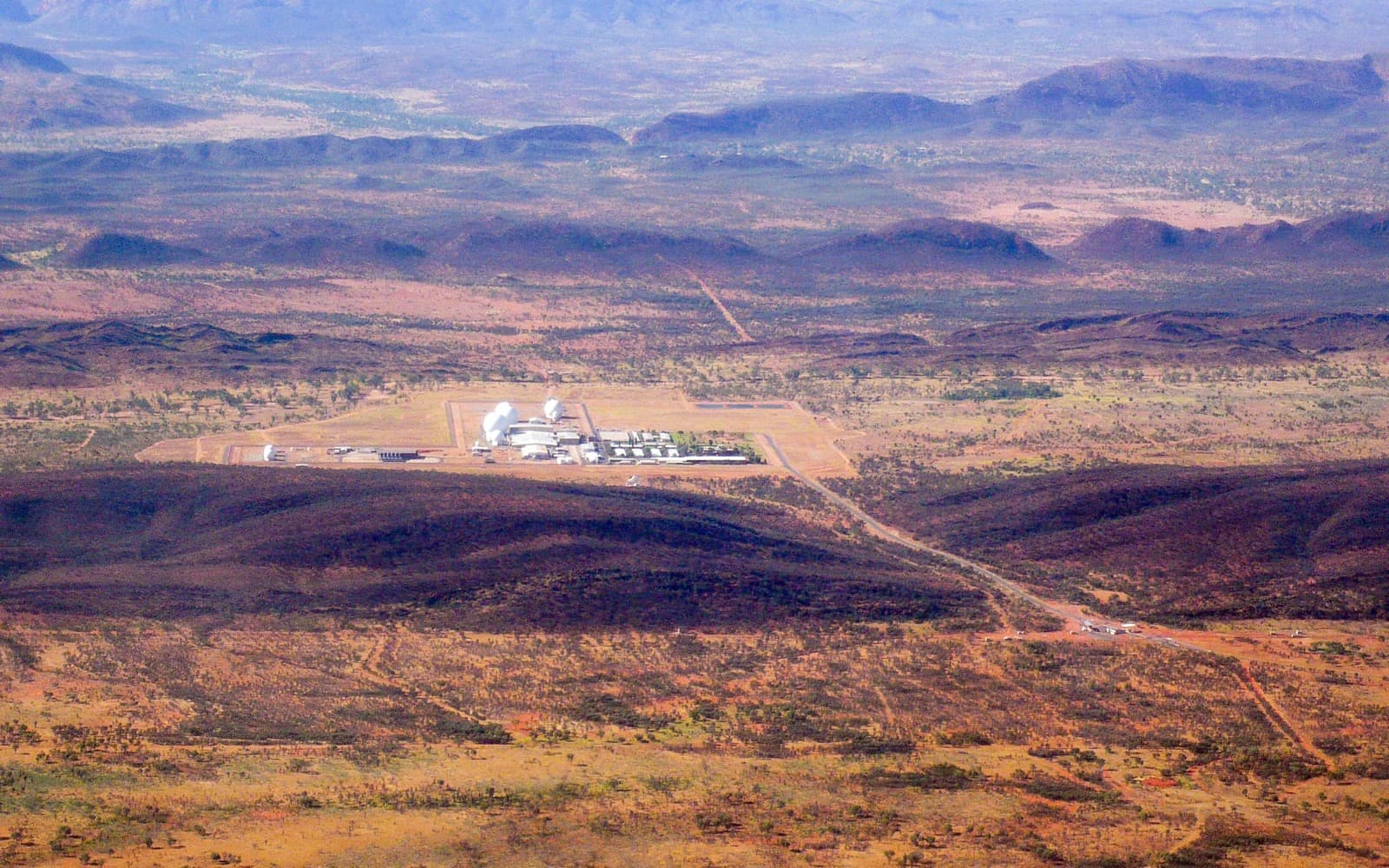
- Offences in a zone include entering without permission and capturing images without permission, and special zones such as Pine Gap carry the highest penalties, up to seven years in prison.Defence Security Zone Framework: frequently asked questions (opens in a new tab)Concerns law to boost defence security could over-reach (opens in a new tab)Australia's new defence laws: A 'war against democracy' or critics 'jumping at shadows'? (opens in a new tab)
- Defence security officials may detain people until police arrive, and Defence says the powers cannot be used simply because a person is protesting or reporting.Defence Security Zone Framework: frequently asked questions (opens in a new tab)
- The Senate passed the bill on November 19, 2026, with Labor and Coalition support.Australia's new defence laws: A 'war against democracy' or critics 'jumping at shadows'? (opens in a new tab)Television Interview, News24 Politics Now (opens in a new tab)
Disputed
- Whether the bill can be used to jail protesters and people who photograph defence sites: Greens senator David Shoebridge says it can, while Assistant Defence Minister Peter Khalil says those claims are false.David Shoebridge on One Nation, Labor and the Liberals voting for the defence laws (opens in a new tab)Television Interview, News24 Politics Now (opens in a new tab)See the claim
- Whether foreign personnel, including U.S. troops, could exercise the new security powers: Shoebridge says the bill lets them act as defence security officials, while Khalil says claims that they will have arrest and detention powers are false.David Shoebridge on One Nation, Labor and the Liberals voting for the defence laws (opens in a new tab)Television Interview, News24 Politics Now (opens in a new tab)See the claim
Not yet known
- Which sites, data centres among them, the defence minister will declare as security zones once the law takes effect.
- How the Inspector-General of the Australian Defence Force will report on detentions and searches carried out under the new powers.
Overview
Defence says drone sightings near its bases have risen and that the bill consolidates older arrangements, including the prohibited areas of the Defence (Special Undertakings) Act 1952 that cover the joint Australian and U.S. facility at Pine Gap near Alice Springs. The bill was referred to the Parliamentary Joint Committee on Defence, which recommended it pass with amendments. Critics in the Senate said the inquiry was too short and that debate was cut off.
People in this case
 Richard MarlesDirectly involved
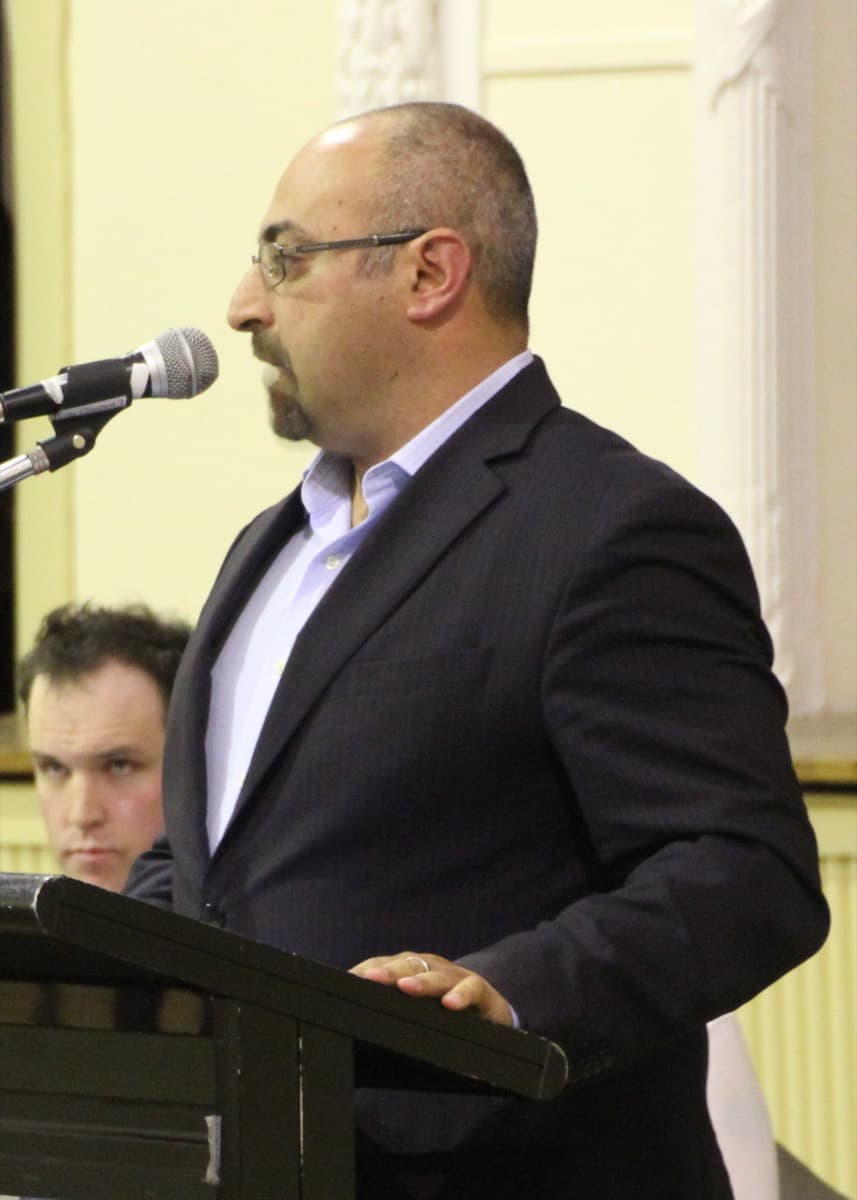 Peter KhalilDirectly involved
 Anthony AlbaneseDirectly involved
Timeline
3 timeline entries on this page. Dates: October 27, 2026 to November 22, 2026
October 2026
The government introduces the Accelerating Capability and Protecting Bases bill
Defence Minister Richard Marles and Assistant Minister for Defence Peter Khalil announced that the government had introduced the Defence Legislation Amendment (Accelerating Capability and Protecting Bases) Bill 2026, which reforms the Defence Act 1903, sets up a framework for developing and testing capability and gives Defence lasting authority to act against drones over sensitive sites.
November 2026
The Senate passes the bill
The Senate passed the bill on Thursday, November 19, 2026, with the support of Labor and the Coalition, leaving a final vote in the House of Representatives.
Albanese and Khalil defend the bill as it returns to the House
Reaction
Prime Minister Anthony Albanese told a press conference that critics should not jump at shadows and that the bill would pass the House with the support of the major parties. In a television interview the same day, Assistant Minister for Defence Peter Khalil said claims about protesters, photographers and foreign personnel were false.
Claims
Claims separate what was said from what is contested. Follow each source for the original wording and context.
What's disputed
Disputed claim
Copy link to this disputed claim by David ShoebridgeThe defence bill lets the government jail protesters for up to seven years, turn AI data centres into defence security zones and make U.S. troops Australian defence security officials.
What is disputed
The bill makes it an offence to enter a defence security zone or capture images in it without permission, and special zones such as Pine Gap carry penalties of up to seven years in prison. Defence says zones can cover industry facilities used for defence purposes and that powers cannot be used simply because a person is protesting or reporting. Assistant Defence Minister Peter Khalil says claims that protesters will be prevented from protesting, that people photographing a base from outside face seven years in jail and that foreign personnel will have arrest and detention powers are false.
Sources (5)
- Defence Security Zone Framework: frequently asked questionsFull document, pages 1 to 8
- Television Interview, News24 Politics Now · Peter KhalilTranscript, Defence Act reform section
Disputed claim
Copy link to this disputed claim by Peter KhalilClaims that the defence bill will stop people protesting, jail people for seven years for photographing a defence base from outside, or give foreign defence personnel, including U.S. personnel, powers to arrest and detain people are false.
What is disputed
Defence's fact sheet says defence security officials may detain people only until police arrive and that the framework does not affect lawful protest or journalism. It also lists capturing images in a zone without permission as an offence, with higher penalties at special zones such as Pine Gap. SBS News reports that the penalties include up to seven years in jail with no exception for journalists, and Greens senator David Shoebridge says the laws let U.S. troops act as Australian defence security officials.
Sources (4)
- Television Interview, News24 Politics Now · Peter KhalilTranscript, Defence Act reform section
- Defence Security Zone Framework: frequently asked questionsFull document, pages 1 to 8
In their own words
Their own account
Statements from the person or group whose act or claim this case is about. They are listed apart from the responses, and each label says what the speaker did with their own act or claim.
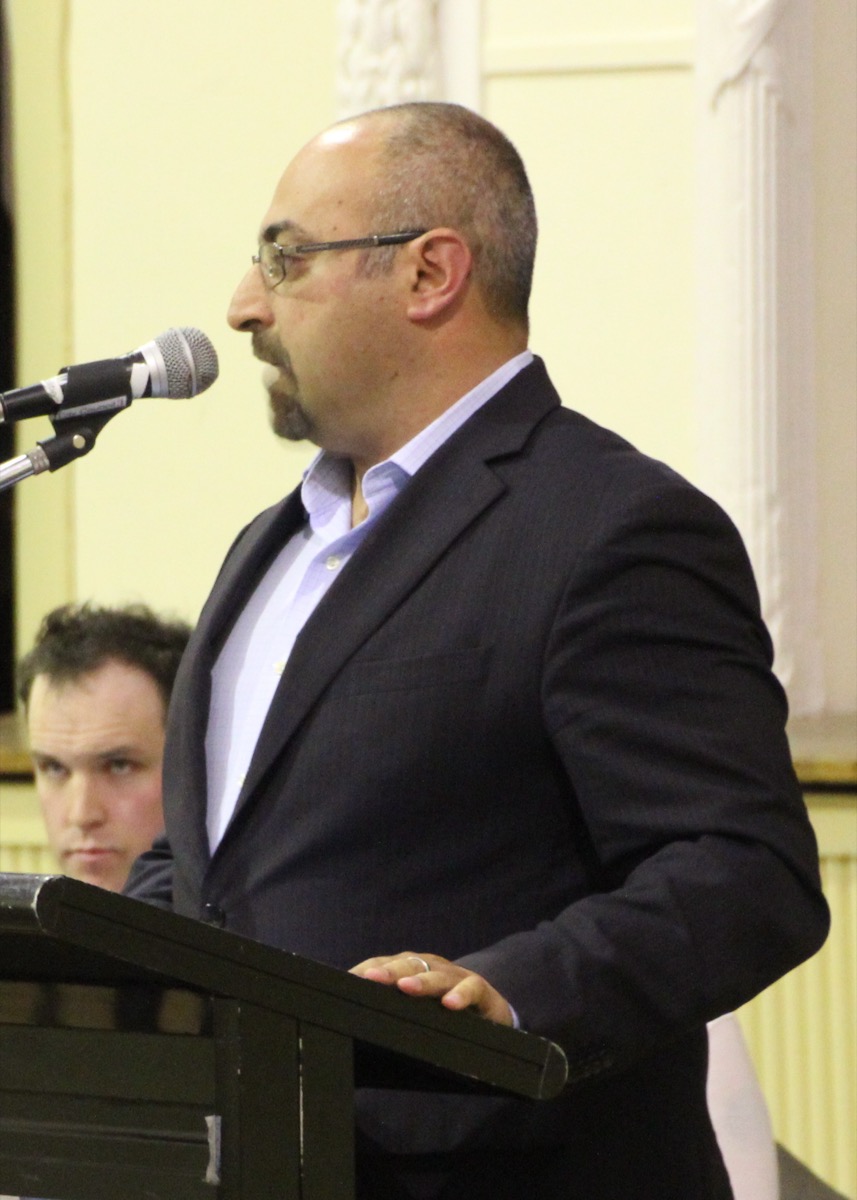 Peter KhalilAssistant Minister for Defence of Australia, in an interview on News24 Politics Now
"The claims made that protesters will be prevented from protesting is false. The claims made that people trying to take a photo outside of a defence base or a security zone will be arrested and put in jail for seven years, false. The claims made that Foreign Defence personnel, including U.S. personnel, will have powers of arrest and detain, being able to detain and arrest others is false."
Checked word for word against a linked source on .
DeniedResponding to: Claims that the defence bill will stop people protesting, jail people for seven years for photographing a defence base from outside, or give foreign defence personnel, including U.S. personnel, powers to arrest and detain people are false.
Full statement and sources
Khalil said claims that the bill will stop people protesting, that people photographing a defence base or security zone from outside will be jailed for seven years, and that foreign defence personnel will have powers to arrest and detain people are all false.
Before the statement
Host Jaynie Seal played a clip of independent senator David Pocock saying the bill hands the minister extraordinary powers to designate special defence areas. Khalil said there had been a lot of misinformation about the bill spread by the Greens and others, and Seal asked him for an example.
After the statement
Khalil said the Greens and others had put out false claims to create a campaign of outrage, and disagreed that the bill had been rushed, saying the Parliamentary Joint Committee on Defence had examined it and recommended it be adopted.
Television Interview, News24 Politics Now · Peter KhalilTranscript, Defence Act reform sectionWhy this label?
Khalil, the minister steering the bill, says claims that it will stop protest, jail people for seven years for photographing a base from outside and give foreign personnel arrest powers are all false, so we labeled it Denied.
This label describes the statement's response within the context above.
 Anthony AlbanesePrime Minister of Australia, at a press conference at Parliament House in Canberra
"People shouldn't jump at shadows. And that is what I've seen some of the commentary doing, reaching absurd proportions."
Checked word for word against a linked source on .
Stood by itResponding to: The defence bill lets the government jail protesters for up to seven years, turn AI data centres into defence security zones and make U.S. troops Australian defence security officials.
Full statement and sources
Albanese said people shouldn't jump at shadows and that some of the commentary on the bill had reached absurd proportions, calling the legislation just practical.
Before the statement
A reporter asked Albanese why the bill's powers to class facilities such as a data centre, a vehicle convoy or a parcel of land as defence facilities were needed, and why it was moved through Parliament so quickly.
After the statement
Albanese said the legislation is practical, went through the appropriate committee process and would pass the House with the support of the major parties, adding, "Our first responsibility is to keep people safe."
Press conference, Parliament House, Canberra, 23 November 2026 · Anthony AlbaneseTranscript, final answer, on the defence billWhy this label?
Albanese, whose government brought the bill, says some commentary on it has reached absurd proportions and calls the legislation practical and needed to keep people safe, so we labeled it Stood by it.
This label describes the statement's response within the context above.
 Richard MarlesDeputy Prime Minister and Minister for Defence of Australia, in a joint media release with Assistant Minister for Defence Peter Khalil
"These reforms will provide Defence with a modern legislative framework to accelerate capability development, protect our people and bases, and respond to emerging security threats."
Checked word for word against a linked source on .
ExplainedCase context: Australia's Senate passes a bill creating defence security zones; the Greens say it can jail protesters and militarise data centres, and the government calls those claims false
Full statement and sources
Marles said the reforms would give Defence a modern legal framework to speed up capability development, protect its people and bases, and respond to new security threats.
Before the statement
The release announces that the government introduced the bill that day to reform the Defence Act 1903 and says the reforms are critical to the National Defence Strategy and to AUKUS.
After the statement
The release says the bill also gives Defence lasting authority to detect, track and act against drones over sensitive Defence sites and adds oversight powers for the Inspector-General of the Australian Defence Force.
New Defence legislation to protect bases and accelerate capabilityFull media releaseWhy this label?
Marles, whose department will use the new powers, says the reforms give Defence a modern framework to develop capability, protect its people and bases and respond to new threats, so we labeled it Explained.
This label describes the statement's response within the context above.
Response record
Responses
Choose one response filter, or select All responses to see the full record.
No responses match these filters.
Clear response filtersSources
(7)
Official statement
New Defence legislation to protect bases and accelerate capability
Relevant passage: Full media release
About this source
Joint media release from Defence Minister Richard Marles and Assistant Minister for Defence Peter Khalil announcing that the government had introduced the Defence Legislation Amendment (Accelerating Capability and Protecting Bases) Bill 2026. It says the bill sets up a framework for developing and testing defence capability with industry and international partners, gives Defence lasting authority to act against drones over sensitive sites and adds oversight powers for the Inspector-General of the Australian Defence Force.
- Author
- Richard Marles and Peter Khalil, Defence Ministers
- Published
- Accessed
Original text
Television Interview, News24 Politics Now
Relevant passage: Transcript, Defence Act reform section
About this source
Transcript published by the Defence ministers' office of Assistant Minister for Defence Peter Khalil's interview with Jaynie Seal on News24 Politics Now. The host plays a clip of independent senator David Pocock and asks about the bill's powers and the length of the committee inquiry, and Khalil answers.
- Author
- Peter Khalil, Assistant Minister for Defence
- Published
- Accessed
Original text
Press conference, Parliament House, Canberra, 23 November 2026
Relevant passage: Transcript, final answer, on the defence bill
About this source
Official transcript of Prime Minister Anthony Albanese's press conference with Health Minister Mark Butler. In the last answer, a reporter asks why the Accelerating Capability and Protecting Bases Bill's powers to designate facilities are needed and why it was moved through Parliament quickly, and Albanese replies.
- Author
- Office of the Prime Minister of Australia
- Published
- Accessed
Reporting
Australia's new defence laws: A 'war against democracy' or critics 'jumping at shadows'?
Relevant passage: Full article
About this source
SBS News report on the bill after it passed the Senate. It describes the permanent, temporary, emergency and mobile security zones, the offence of photographing a zone and penalties of up to seven years' jail. It quotes independent senator David Pocock, the Law Council of Australia, the Australia Institute, Amnesty International Australia, Assistant Defence Minister Peter Khalil and Prime Minister Anthony Albanese, and reports Greens leader David Shoebridge's Senate remarks about protesters at Pine Gap.
- Author
- Nigel Gladstone, SBS News
- Published
- Accessed
Original post
David Shoebridge on One Nation, Labor and the Liberals voting for the defence laws
Relevant passage: Bluesky post
About this source
Post by Greens senator David Shoebridge on the day the Senate passed the bill, with an image of the vote. He says One Nation, Labor and the Liberals voted together for laws he says can jail protesters for seven years, make AI data centres defence security zones and allow US troops to be Australian defence security officials.
- Author
- David Shoebridge (@davidshoebridge.bsky.social)
- Published
- Accessed
Reporting
Concerns law to boost defence security could over-reach
Relevant passage: Full article
About this source
Australian Associated Press report published the day the Senate was due to vote. It quotes a statement from Greens leader David Shoebridge, reports that trespassing on the highest-order zones such as Pine Gap would carry up to seven years in prison and entering an ordinary zone up to two years, and summarises the Defence department's submission that the bill has carve-outs for lawful protest. It also reports Digital Rights Watch's concern that data centres could be declared protected areas.
- Author
- Will Nicholas, Australian Associated Press
- Published
- Accessed
Official statement
Defence Security Zone Framework: frequently asked questions
Relevant passage: Full document, pages 1 to 8
About this source
Department of Defence fact sheet on the security zone part of the bill. It lists permanent, temporary, mobile and special defence security zones, says zones can apply outside Defence land including at industry facilities, lists offences such as entering a zone without permission and capturing images without permission, and says defence security officials may detain people pending handover to police. It names Pine Gap as a special zone with higher penalties based on the Defence (Special Undertakings) Act 1952 and says the framework does not affect lawful protest or journalism.
- Author
- Australian Department of Defence
- Published
- Accessed
Share or embed this case
The embed keeps its attribution link to The Dispute Index. Credit the image to The Dispute Index and link to the case page.
Cite this record
- Publisher
- The Dispute Index
- Title
- Australia's Senate passes a bill creating defence security zones; the Greens say it can jail protesters and militarise data centres, and the government calls those claims false
- First published
- Last updated
- Permalink
- https://disputeindex.com/cases/australia-s-senate-passes-a-bill-creating-defence-security-zones-the-greens-say-it-can-jail-protesters-and-militarise-data-centres-and-the-government-calls-those-claims-false
The Dispute Index. "Australia's Senate passes a bill creating defence security zones; the Greens say it can jail protesters and militarise data centres, and the government calls those claims false". First published: 2026-11-24. Last updated: 2026-11-24. https://disputeindex.com/cases/australia-s-senate-passes-a-bill-creating-defence-security-zones-the-greens-say-it-can-jail-protesters-and-militarise-data-centres-and-the-government-calls-those-claims-false