
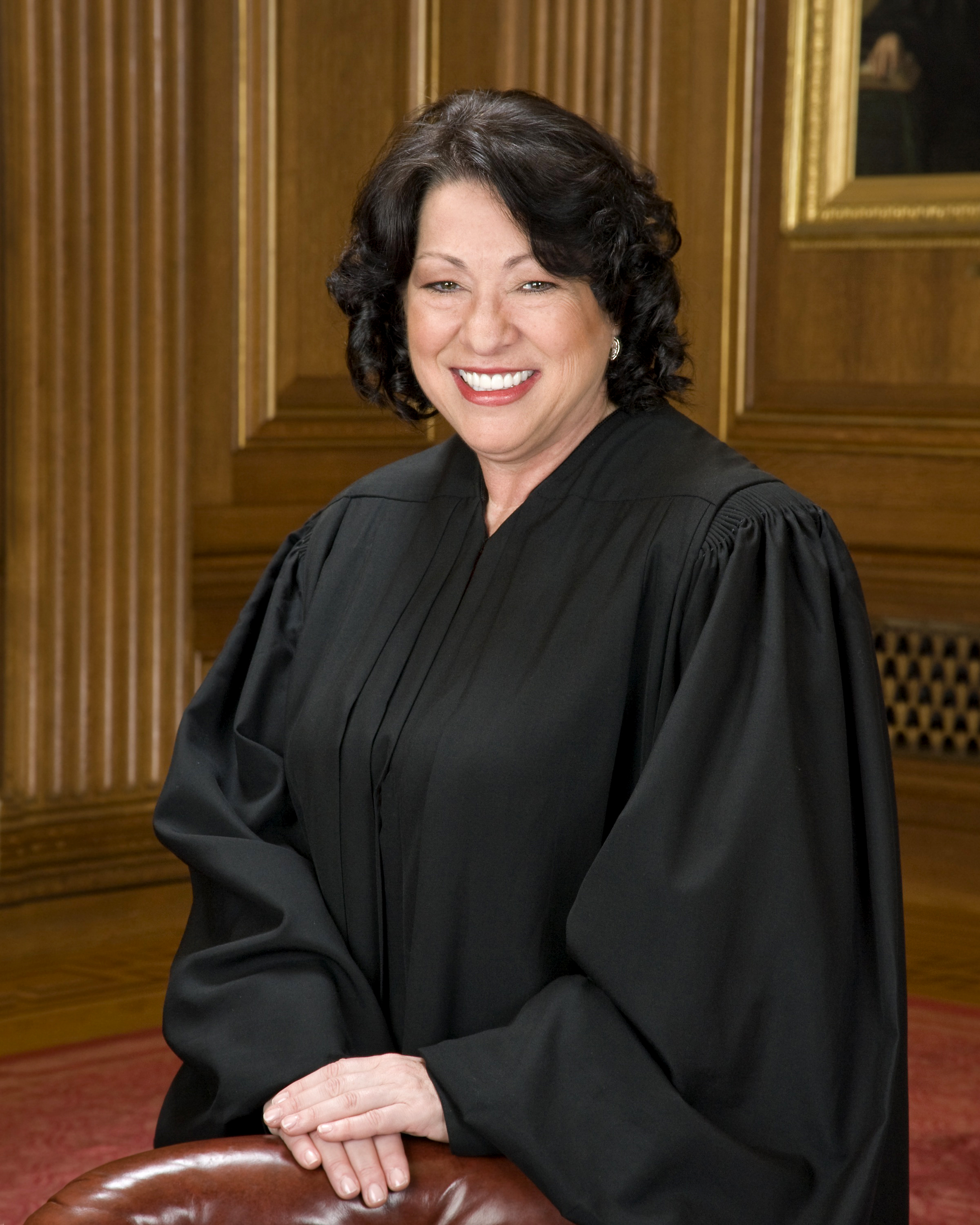
Sonia Sotomayor
Role at the time: Associate justice of the Supreme Court, dissenting, joined by Justices Elena Kagan and Ketanji Brown Jackson
Statement summary
Sotomayor wrote that the Court held due process never requires a retention hearing and that the ruling limits lower courts' ability to address abuses of civil forfeiture.
“Today, the Court holds that the Due Process Clause never requires that minimal safeguard. In doing so, it sweeps far more broadly than the narrow question presented and hamstrings lower courts from addressing myriad abuses of the civil forfeiture system.”
The Court held 6-3 that, after a state seizes personal property and seeks its civil forfeiture, due process requires a timely forfeiture hearing but not a separate preliminary hearing. Justice Gorsuch, joined by Justice Thomas, concurred while raising broader questions about civil forfeiture. Justice Sotomayor, joined by Justices Kagan and Jackson, dissented.
Archived copy (opens in a new tab)Why we used this label
The reference point is Alabama's practice, defended by Attorney General Steve Marshall, of holding seized cars until the civil forfeiture hearing without a separate preliminary hearing, which the owners argued the Due Process Clause requires. Label: Condemned. Sotomayor criticizes the holding that due process never requires a retention hearing, calling such a hearing a minimal safeguard against abuse. The closest competing label is Mixed or conditional; it loses because her plan to let lower courts apply the governing test concerns how to apply it in each forfeiture scheme, not whether she accepts the categorical no-hearing rule.