
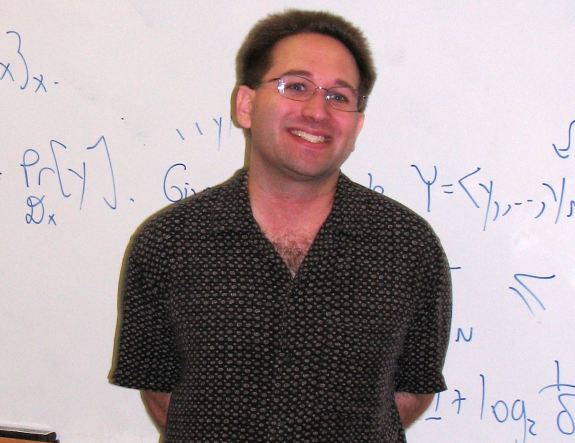
Scott Aaronson
Role at the time: Theoretical computer scientist, writing on his personal blog Shtetl-Optimized
Statement summary
Scott Aaronson wrote that he would not adjudicate the dispute, characterised OpenAI’s decision to commit far greater resources once it learned of progress as arguably “unsportsmanlike,” rejected as implausible the claim that its models benefited from the mathematicians’ chat logs, and said the question of what OpenAI knew and when remained unanswered.
“My purpose here is not to adjudicate the dispute. Yes, in swooping in with vastly greater resources once it had gotten wind of progress on Navier-Stokes, OpenAI seems to have acted in a way that some might describe as “unsportsmanlike.” No, I don’t find it plausible that OpenAI’s models meaningfully benefitted from being trained on Buckmaster and Alpöge’s chat logs.”
Why we used this label
On Aaronson splits the dispute along its two halves and lands on opposite sides of each: he is critical of OpenAI’s conduct in moving on the problem once it learned of progress, and dismissive of the separate allegation that user chat logs materially fed its models. He also expressly declines to adjudicate and leaves the central factual question open. That is a substantive conflict about the relevant matter, not a qualification of a single conclusion, which is what distinguishes it from “Condemned” on the one hand and “Challenged the characterization” on the other.