
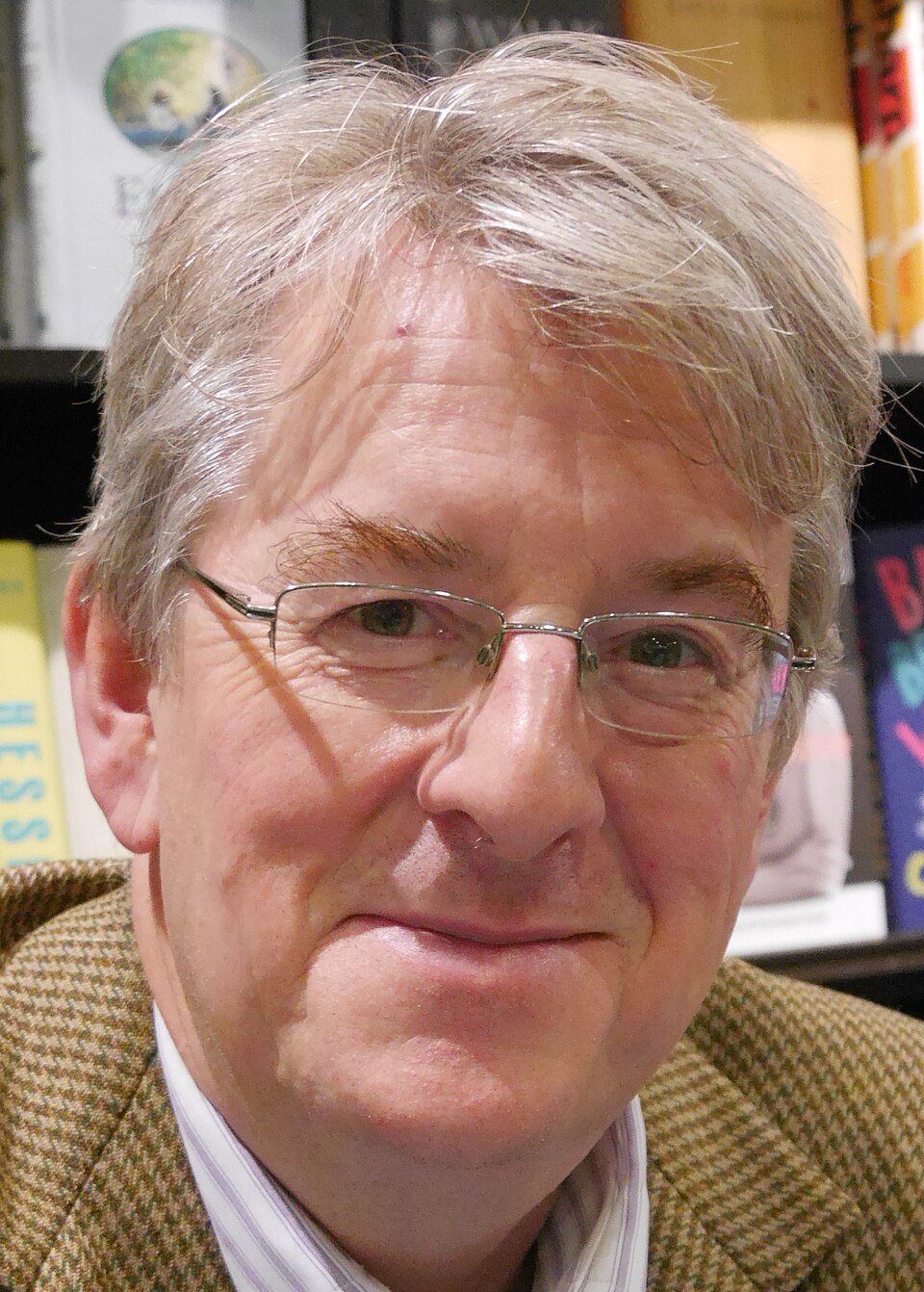
Robert Hardman

Portrait of Robert Hardman
Edward Hands (Edwardx)SourceCC BY-SA 4.0Original image retained; resized only. Image reused under CC BY-SA 4.0.

British journalist and royal author; writes for the Daily Mail and has written biographies of Elizabeth II and Charles III.

What we have documented

We have documented 1 statement by Robert Hardman, in 1 case. Each statement below gives the quotation, its original source and a link to the full case.

Case updates

Has the Palace said its last word on Earl Spencer's memoir?

Get an email if Buckingham Palace, Prince Harry or Earl Spencer says more about the memoir's account of the call after Diana's death.

Important updates only. Free. Confirm your email to start. Unsubscribe anytime. How we handle your email.

Statements by Robert Hardman

Portrait of Robert Hardman

Robert Hardman

Role at the time: Journalist and royal biographer, interviewed on Times Radio by Ed Vaizey

Challenged the characterization

Statement summary

Royal author Robert Hardman told Times Radio he did not accept the “giddily elated” characterisation, citing Charles’s visible emotion at the funeral, while acknowledging that it is how Spencer remembers the exchange.

“The person who was most visibly moved, the most emotional person in that entire funeral was Prince Charles. So this idea that he’s elated, that he’s somehow, you know, giddily dancing around the room, I’m afraid I don’t buy it. But that’s how Charles Spencer remembers it. So that’s his view. But the king clearly remembers it very differently.”
Watch the original video (opens in a new tab)Times Radio: Robert Hardman on Earl Spencer’s “giddily elated” claim02:42–03:03.
Why we used this label

On Hardman rejects the accuracy of Spencer’s characterisation of Charles’s demeanour, offering his own observation of the funeral as counter-evidence. He stops short of alleging invention, expressly allowing that this is how Spencer remembers it and framing the disagreement as two differing recollections, which keeps it within “Challenged the characterization” rather than condemns.

A participant is a subject of the case. A speaker has a statement documented in it. A commentator has an opinion or editorial documented in it.

Case

Earl Spencer's memoir claims about King Charles's reaction to Diana's death

Relationship to this case: Speaker

Charles Spencer's memoir alleges then-Prince Charles told him days after Diana's 1997 death that the world would "forget her soon enough," and that he sounded "giddily elated" on the call. Buckingham Palace neither confirmed nor denied the account, citing grief's effect on memory.

MonarchyUpdated

Topics in this coverage