
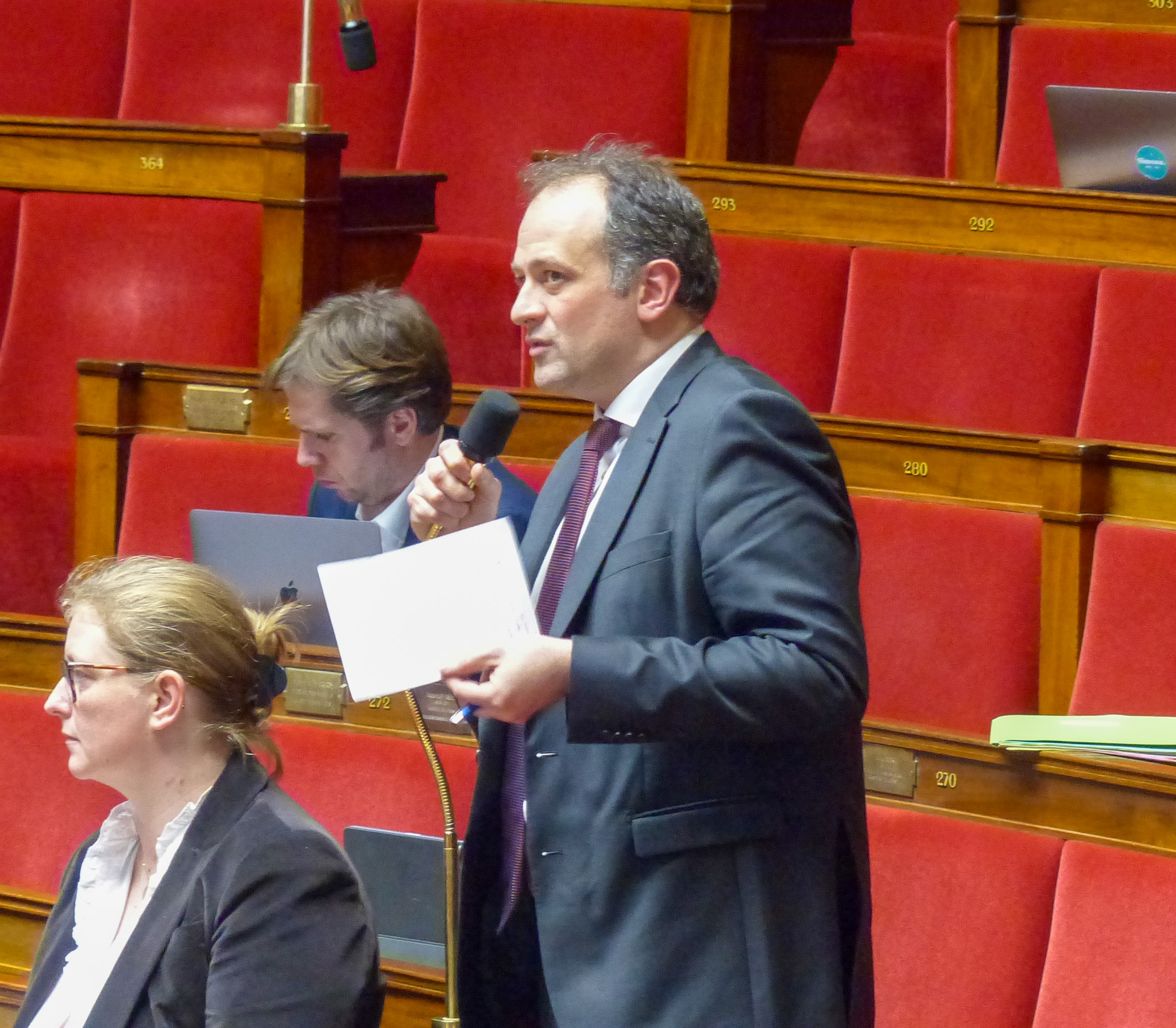
Nicolas Tryzna
Role at the time: Member of the National Assembly, Droite Républicaine group
Defended or excused
Statement summary
Tryzna welcomed the bill’s return, characterized its presumption as rebuttable and said lawmakers should provide police and gendarmes a clear, protective legal framework.
“It proposes a simple, rebuttable presumption, far from the lies repeated for days. It is our responsibility to guarantee them a legal framework that is both clear and protective, ... without placing them in permanent insecurity when they act in the course of their mission. (Translated from French. Original: Elle propose une présomption simple, renversable, loin des mensonges répétés depuis des jours. Il est de notre responsabilité de leur garantir un cadre juridique à la fois clair et protecteur, ... sans les placer dans une insécurité permanente lorsqu’elles agissent dans l’exercice de leur mission.)”
Read the original text (opens in a new tab)Nicolas Tryzna question on the presumption of legitimate firearm use, July 7, 2026Nicolas Tryzna intervention, transcript paragraphs 1103–1119
Why we used this label
He explicitly welcomed and defended the proposal as rebuttable legal protection for law-enforcement officers. That is direct support for the conduct at issue.