
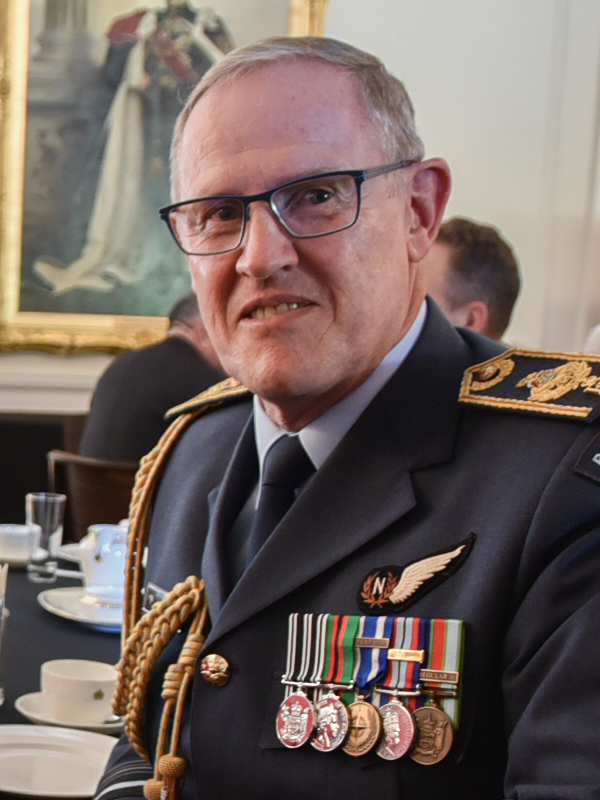
Kevin Short
Role at the time: Former Chief of Defence Force and Davies's former commander, interviewed by the NZ Herald
Mixed or conditional
Statement summary
Short says a junior airwoman would have found it very hard to speak out against her commanding officer, and that he ordered a command investigation around 2006 because the conduct was wrong even then.
“Oh, yes, it would be. It would be very hard to do that. ... In those days, it was still wrong ... because it was a power difference. And that’s why I started a command investigation.”
Open source (opens in a new tab)Ex-Chief of Defence Kevin Short reveals 2006 relationship inquiry into Tony Davies met wall of silenceShort's account of the 2006 command investigation and the selection process; Public Service Commission and Goldsmith responses near the end
Why we used this label
Relative to how integrity information about Davies was handled, Short presents the 2006 command investigation as his response to conduct that was wrong even then. He also concedes that the power imbalance made it very hard for a junior airwoman to speak out, a limit on what that inquiry could find. Condemns would describe his view of the relationship itself, which is not this case's reference point.