
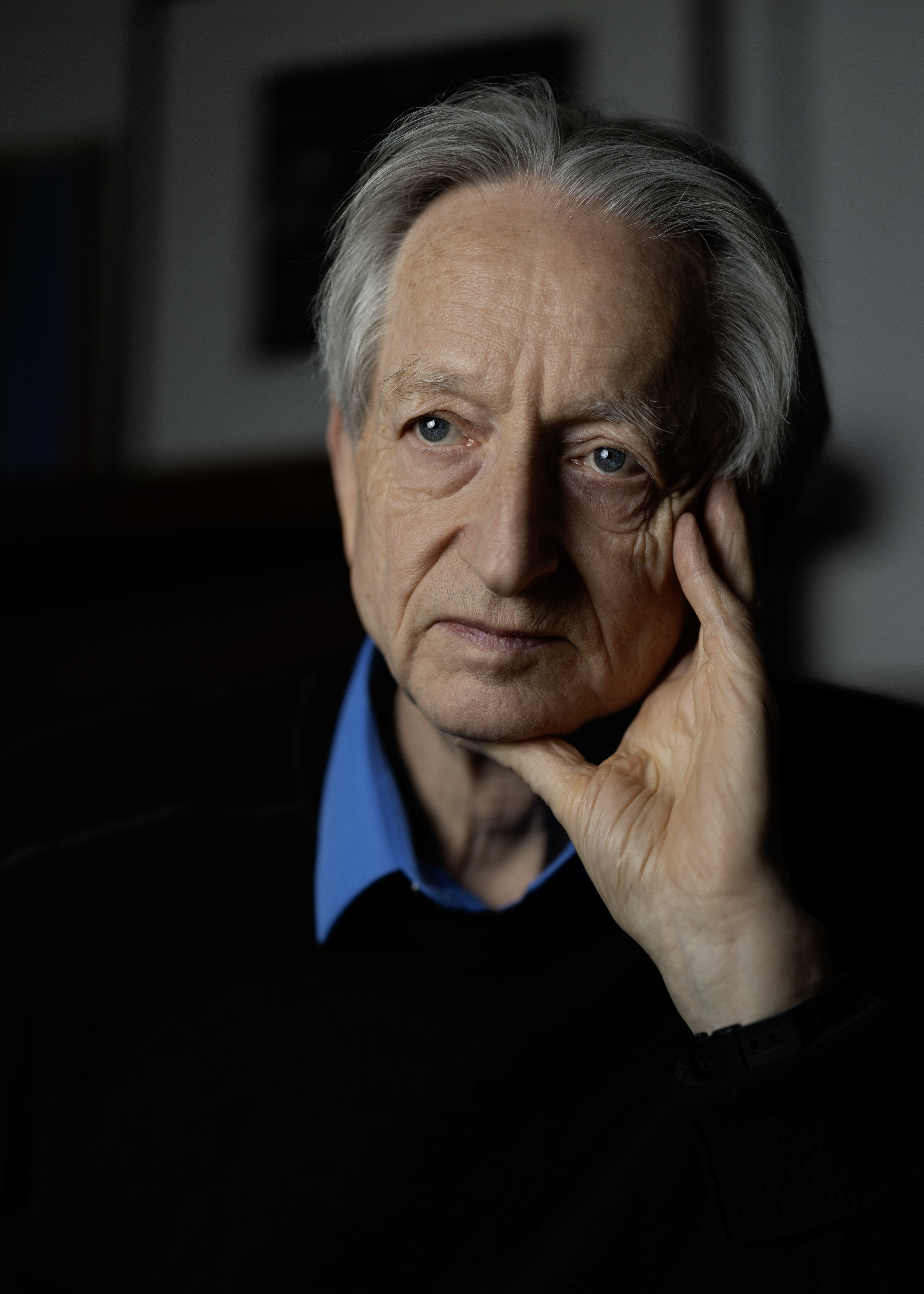
Geoffrey Hinton
Role at the time: Computer scientist, Nobel laureate and emeritus professor at the University of Toronto, quoted in an ABC News report on his warning to Congress
Statement summary
Geoffrey Hinton, the Nobel laureate and Turing Award winner widely called a godfather of artificial intelligence, warned Congress it has roughly a year, and not much more, if members want to be able to control AI. He said the technology has reached the point where it is building itself, that it will get out of control unless something is done, and that development needs to slow down, comparing a recent incident to a small Chernobyl. ABC reported he puts the odds that AI eventually wipes out humanity at 10 to 20 per cent. The timeframe, the probability estimate and the Chernobyl comparison are his own assessments.
“Maybe a year, but not much more than a year. … It is going to get out of control unless we do something. We need to slow down. And we've seen recently, it's something like a little Chernobyl.”
ABC News segment posted to the network's X account at 11:39 AM ET on September 17, 2026. Besides Hinton it carries several other figures relevant to this case and not yet recorded from it: Sen. John Kennedy attempting to fast-track a bill requiring AI companies to be able to deploy a kill switch, saying there is "even a 1% chance" a model could shed its nature as a tool and become an independent species; Sen. Rand Paul blocking that proposal on the grounds that Congress does not understand the technology well enough to regulate it; and an unnamed senior Trump adviser saying existing law already makes AI companies liable for harmful products. The segment also reports that Anthropic's chief executive wants coordinated industry safety standards and has said this may require an antitrust waiver, which senators of both parties have resisted. One line in the segment — "This is bat crazy insane science fiction stuff" — is spoken over Hinton's probability estimate and is not Hinton's; the speaker is not identified in the clip, so it is not attributed here.
Why we used this label
Hinton supports it in an urgent form, addressing Congress directly, setting a roughly one-year window for action and calling for development to slow. That places him with Sanders (562), Gordon-Levitt (937) and Cantwell (728) rather than with Huang (727) or Zuckerberg (939), who reject the proposition. The closest competing label is “Mixed or conditional”; it loses because he attaches no condition and concedes nothing to the competitiveness argument other speakers in this case raise.