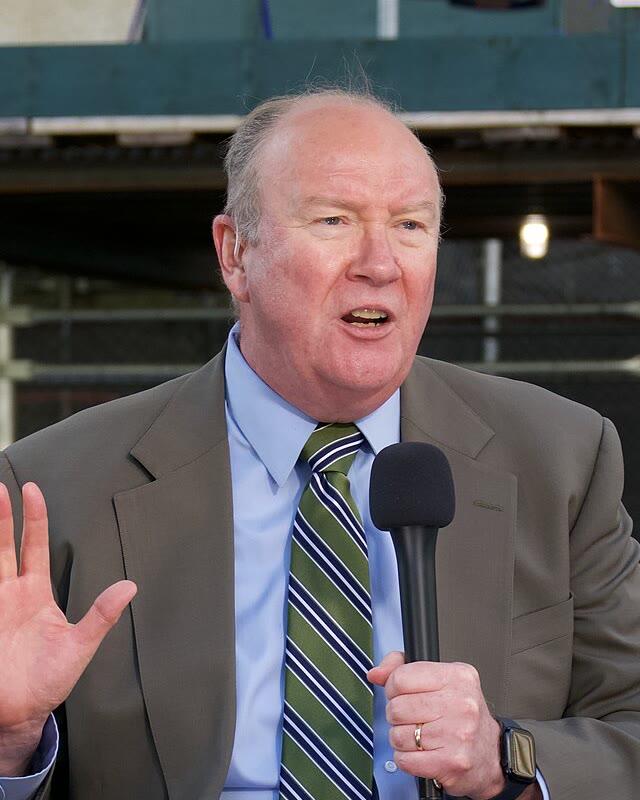
SWinxy, via Wikimedia CommonsSourceCC BY 4.0Cropped from the original photograph and resized.
Andrew C. McCarthy is a lawyer and columnist who is a contributing editor at National Review and a senior fellow at National Review Institute. As an assistant U.S. attorney in the Southern District of New York, he led the 1995 terrorism prosecution of Sheikh Omar Abdel-Rahman and eleven co-defendants, and he left the Justice Department in 2003. He writes about law, national security and the Justice Department, and his books include Ball of Collusion.
We have documented 1 statement by Andrew C. McCarthy, in 1 case. Each statement below gives the quotation, its original source and a link to the full case.
Case updates
Want the next important update?
Follow "DOJ charges James Comey with disclosing national defense information in 2016; Comey says he is innocent" and get an email when an important development changes the record.
Important updates only. Free. Confirm your email to start. Unsubscribe anytime. How we handle your email.
Role at the time: Contributing editor at National Review and former federal prosecutor, writing an opinion column
Condemned
Statement summary
Writing in National Review, former federal prosecutor Andrew C. McCarthy argues that the ten-year limit for the charges required a grand jury indictment by October 5, 2026, and that because none was returned, the time to charge Comey has run out.
“The decision should be an easy one. As noted above, Section 19 says the SOL expires in ten years unless an indictment is returned by a grand jury before then. There was no indictment by October 5, so the SOL has run out.”
The case concerns the Justice Department's new charges against Comey. McCarthy argues that the charges are time-barred and calls the effort lawless, which condemns the prosecution under scrutiny.
Prosecutors charged former FBI Director James Comey with disclosing national defense information to a reporter in 2016, using a criminal information filed on the last day of a ten-year deadline. Comey says he is innocent and calls the case an abuse.