
Cox says the smaller monuments let agencies focus limited resources on specific sites
Spencer CoxGovernor of Utah, in a State of Utah press release
Cox says the historic landmarks remain under federal protection and that the smaller monuments let agencies direct limited resources to specific sites rather than millions of surrounding acres.
“The question has never been whether to protect them, but how to protect them best. The historic landmarks and other nationally significant resources remain under federal protection, while allowing agencies to direct limited resources toward caring for these specific sites rather than millions of surrounding acres.”
Checked word for word against a linked source on .
Official statement
Where this statement fits
Five tribes sue to undo Trump's cuts to Bears Ears and Grand Staircase-Escalante, saying only Congress can revoke a monument; Utah leaders say the cuts follow the Antiquities Act's size limit
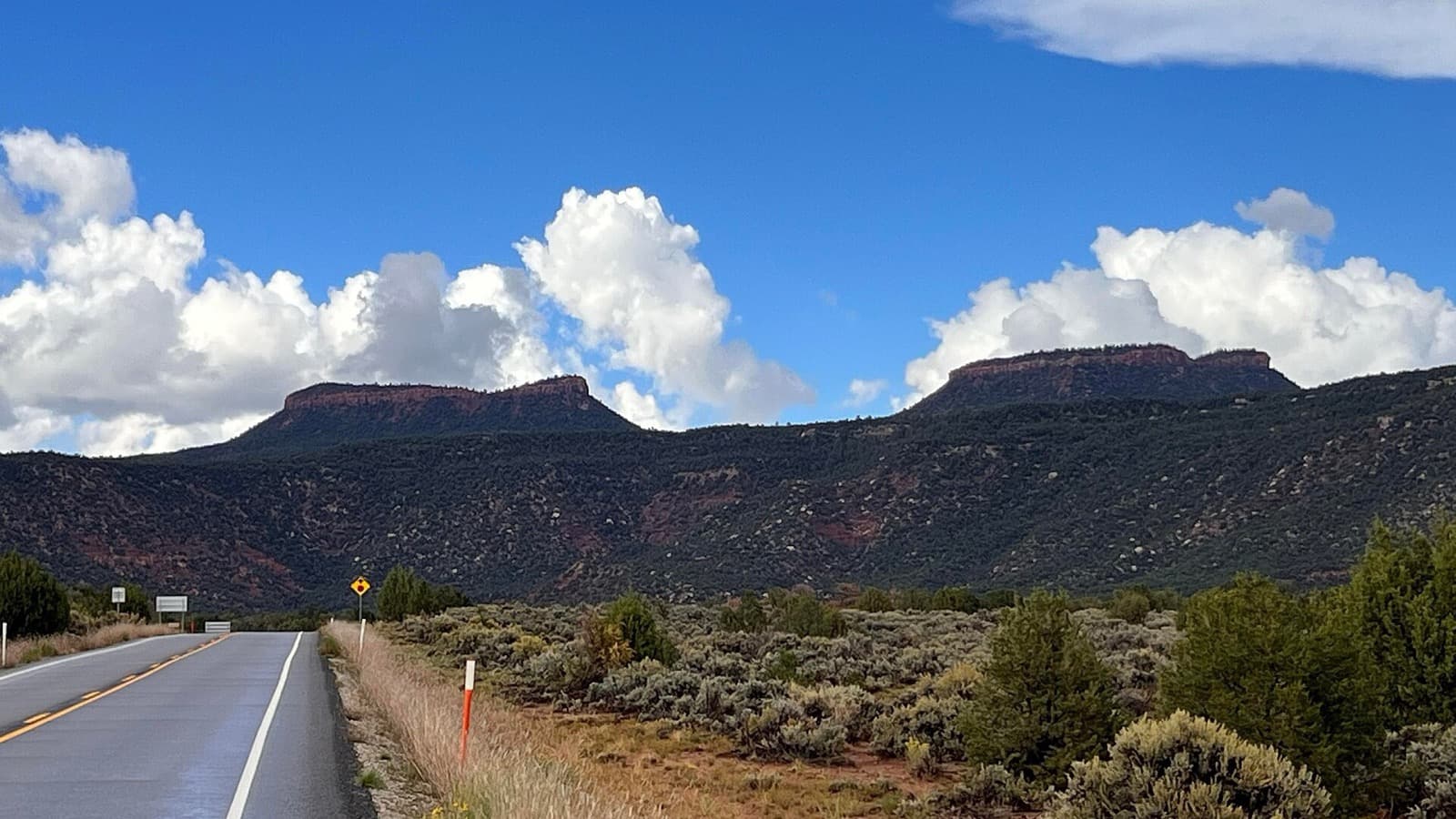
On November 18, 2026, five tribal nations represented by the Native American Rights Fund filed two lawsuits in federal court in Washington challenging President Trump's July 13 proclamations that cut Bears Ears National Monument from about 1.36 million acres to about 121,100 acres and Grand Staircase-Escalante National Monument from about 1.87 million acres to about 181,500 acres. The Zuni Tribe, Ute Mountain Ute Tribe and Hopi Tribe brought the Bears Ears suit, which also challenges the proclamation's termination of the Bears Ears Commission, a body of five tribal nations that worked with federal agencies on managing the monument. The Kaibab Band of Paiute Indians, the Paiute Indian Tribe of Utah and the Ute Mountain Ute Tribe brought the Grand Staircase-Escalante suit. The tribes argue that the Antiquities Act of 1906 lets a president declare national monuments but not revoke them, a power they say belongs to Congress alone, and that the proclamations violate the Constitution's property clause and separation of powers. The proclamations say the act permits a president to remove land whose objects are not, or never were, deserving of its protection, and that the reduced monuments are the smallest area compatible with the care of the objects they protect. Utah Gov. Spencer Cox, Attorney General Derek Brown and Sen. Mike Lee praised the cuts in July, and the White House and the Interior Department defended them in September. The Interior Department did not respond to a request for comment on the new suits.
Source and context
Official statement
About this source
The governor's office welcomes the reductions and quotes Gov. Spencer Cox, Attorney General Derek Brown, House Speaker Mike Schultz and Senate President J. Stuart Adams.
Archived copy (opens in a new tab)Before the quotation
The governor's office said the state welcomed the federal action and that the reduced size and scale allow agencies to better provide management, preservation and public access.
After the quotation
The release says the previous designations created significant management challenges and that lands outside the new boundaries remain protected under existing federal and state law.
How this statement is classified
The label describes this statement's response within the context above.
Why this label?
Cox says the key sites remain protected and that the smaller monuments let agencies focus limited resources on them, a defense of the cuts, so we labeled it Defended or excused.
- Recorded on
- Published here
More from this case
Read the full casePaiute Indian Tribe of Utah says Grand Staircase is sacred land, not potential mining sites
Paiute Indian Tribe of Utah
“It’s where our citizens travel to pray and to gather plants and medicines necessary for religious ceremonies. These are sacred lands, not potential mining sites.”Read statement
NARF says only Congress has the power to revoke a national monument
Native American Rights Fund
“The Antiquities Act of 1906 authorizes the president to declare national monuments. It does not give the president the power to revoke existing monuments. That power lies with Congress alone. The court should block implementation of these unlawful directives.”Read statement
Earthjustice attorney says the new rollbacks are as illegal as the first ones
Earthjustice
“Our view is that those rollbacks are just as illegal this time as they were the first time”Read statement
Share or embed this statement
The embed keeps its attribution link to The Dispute Index. Credit the image to The Dispute Index and link to the statement page.
Cite this record
- Publisher
- The Dispute Index
- Title
- Cox says the smaller monuments let agencies focus limited resources on specific sites
- First published
- Last updated
- Permalink
- https://disputeindex.com/events/9930-cox-says-the-historic-landmarks-remain-under-federal
Last updated marks the most recent saved version of this published statement.
The Dispute Index. "Cox says the smaller monuments let agencies focus limited resources on specific sites". First published: 2026-11-20. Last updated: 2026-11-20. https://disputeindex.com/events/9930-cox-says-the-historic-landmarks-remain-under-federal