
Bailey disputes calling the setup full self-propagation
Michael BaileyGeorgia Tech cybersecurity professor
Bailey says AI models could eventually self-replicate but argues that the demonstrated sharding and device setup do not amount to full worm propagation. He says the eventual form and consequences of self-replicating models remain an open question.
“The framing is somewhat of a misnomer, because they're doing things like sharding.”
Interview
Where this statement fits
Anthropic says small AI models may be months from being able to self-replicate on smart devices; critics question its experiments
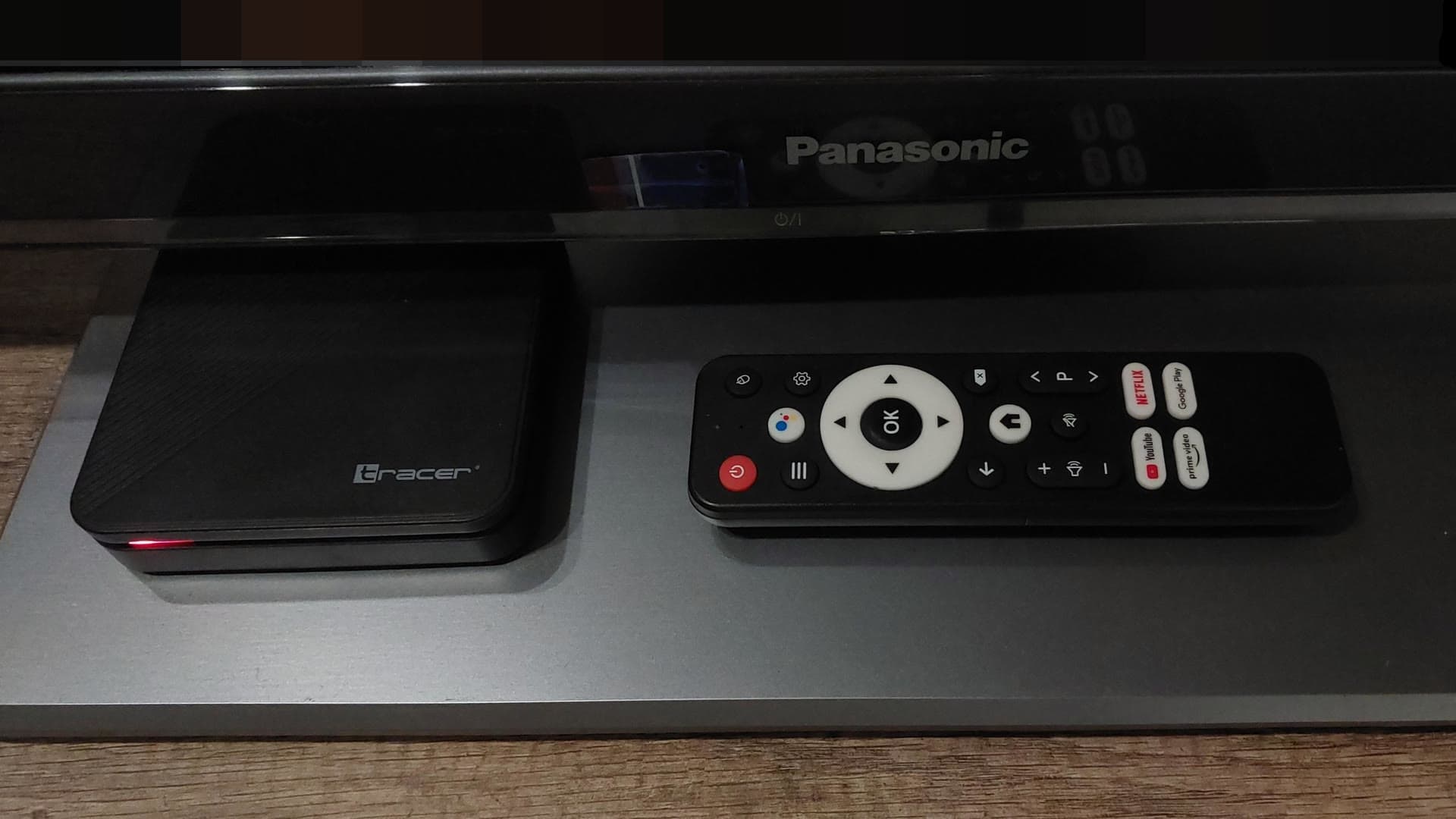
Anthropic researchers say their experiments suggest small AI models may be months away from being capable enough to self-replicate on commercial internet-connected devices such as smart ovens and Android TV boxes. Critics, including Gregory Kurtzer and Ravid Shwartz-Ziv, say the tests were simplified and do not show self-replication.
Source and context
Interview
About this source
Separate views on self-replication and forecasting.
Archived copy (opens in a new tab)Before the quotation
He distinguishes model sharding from new, complete running copies.
After the quotation
He says familiar security measures remain relevant despite changing botnet economics.
How this statement is classified
The label describes this statement's response within the context above.
Why this label?
Bailey disputes the self-replication characterization while accepting future AI botnets as plausible.
- Recorded on
- Published here
More from this case
Read the full caseCanal allows that Anthropic may have better information for its forecast
“So they very well could be making better predictions.”Read statement
Serio sees a possible future threat but says no real-world AI worm was demonstrated
“Of course, AI doesn't magically bypass security. An attacker still needs a way into the device, whether through a vulnerability, exposed interface or weak security configuration. Anthropic's research is still experimental. The models were slow, required considerable resources and were tested under simplified conditions. So we are not yet looking at a demonstrated real-world AI worm spreading across devices.”Read statement
Tissera says the headline combines distinct experiments into one claim
“The research is technically interesting. But the headline combines three different models, two separate experiments, a seeded foothold and a network of unauthenticated computers into one story about “self-replicating AI.””Read statement
Share or embed this statement
The embed keeps its attribution link to The Dispute Index. Credit the image to The Dispute Index and link to the statement page.
Cite this record
- Publisher
- The Dispute Index
- Title
- Bailey disputes calling the setup full self-propagation
- First published
- Last updated
- Permalink
- https://disputeindex.com/events/7964-bailey-says-ai-models-could-eventually-self-replicate
Last updated marks the most recent saved version of this published statement.
The Dispute Index. "Bailey disputes calling the setup full self-propagation". First published: 2026-11-03. Last updated: 2026-11-03. https://disputeindex.com/events/7964-bailey-says-ai-models-could-eventually-self-replicate