
Knowles mocks El-Sayed's canon-law comparison
Michael KnowlesPolitical commentator
Knowles uses an imagined exchange about sacramental oils and polygamy to reject El-Sayed's comparison between canon law and Sharia.
“so why shouldn't courts allow Muslim men to have four wives?”
Checked word for word against a linked source on .
Original post
Where this statement fits
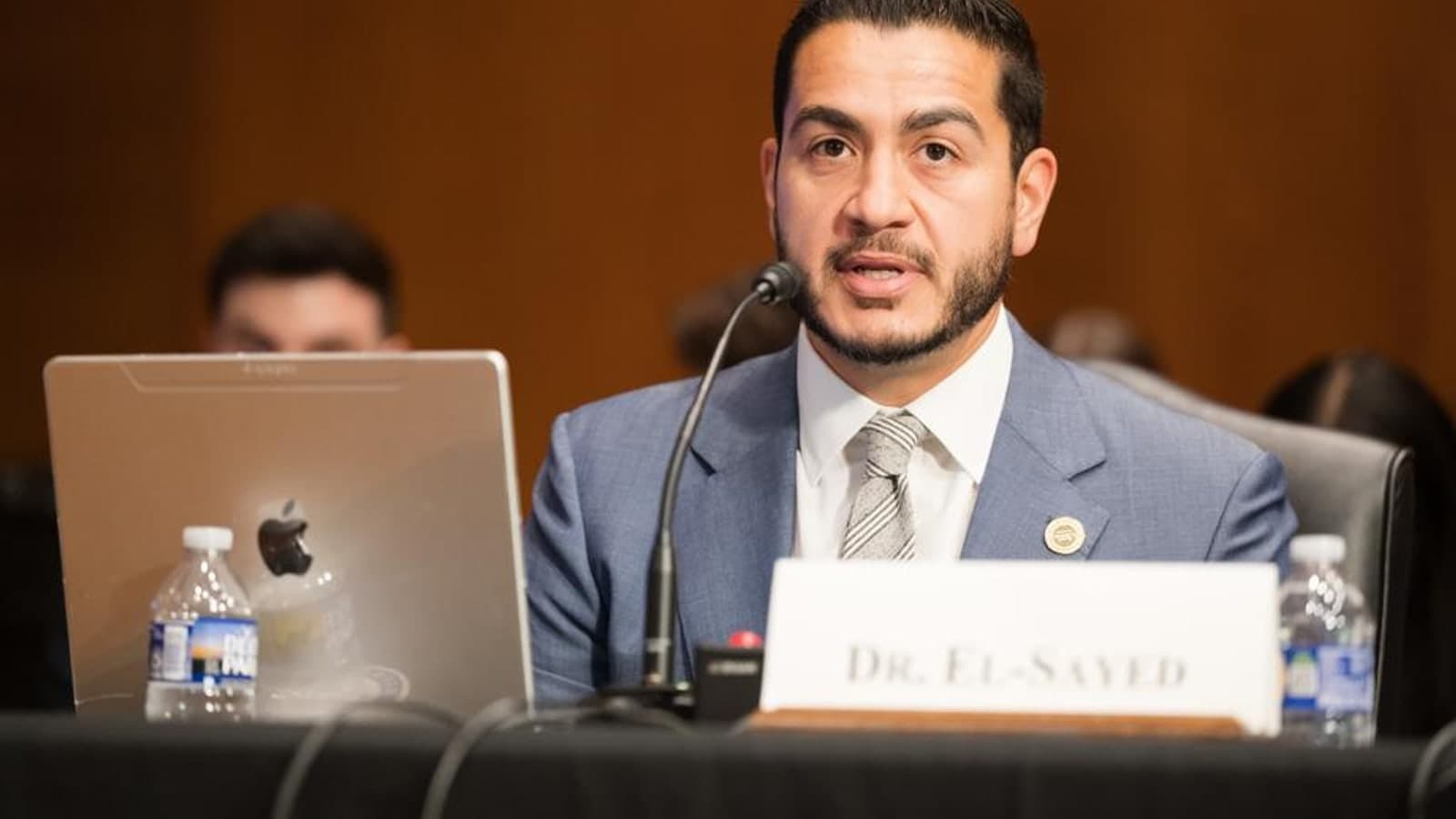
Abdul El-Sayed’s Sharia-law defense: religious freedom or support for religious government?
JD Vance characterized Abdul El-Sayed’s opposition to Sharia bans as support for Sharia and hostility to its critics. El-Sayed defended his position as equal religious freedom and rejected imposing his faith. Hasan Piker challenged the premise of a threatened imposition while questioning El-Sayed’s reliance on a canon-law analogy. Andrew Kolvet, Dana Loesch and Todd Aglialoro disputed that analogy, arguing that it understated Sharia’s relationship to civil government.
Source and context
Original post
About this source
The imagined dialogue is Knowles's satire, not a quotation from El-Sayed.
Before the quotation
His post quotes Greg Price's clip of the El-Sayed interview. The quoted question is Knowles's satire.
After the quotation
The imagined dialogue is not presented as something El-Sayed actually said.
How this statement is classified
The label describes this statement's response within the context above.
Why this label?
Knowles challenges the comparison through satire rather than accepting El-Sayed's religious-law analogy.
- Recorded on
- Published here
More from this case
Read the full caseCanon law scholar says El-Sayed's analogy works for religious freedom, not as equivalence
“As an appeal to the religious freedom protected by the Constitution, the analogy makes a useful point: Catholics and Muslims alike may seek freedom to observe their religious obligations without thereby claiming authority to impose those obligations on their fellow citizens. That constitutional argument does not depend on the two legal traditions being equivalent. ... Islamic jurisprudence also provides rules for civil government, including those affecting non-Muslims. The distinction is substantial, but it must be stated without reducing canon law to administrative rules or treating every Muslim’s religious observance as a proposal for state enforcement”Read statement
Berlatsky says El-Sayed's defense protects other faiths
“El-Sayed, in his town hall, spoke out for himself. But he also spoke out for all religious and ethnic minorities”Read statement
Cohn says El-Sayed described personal religious observance
“he meant using the religious code as a guideline for his personal life.”Read statement
Share or embed this statement
The embed keeps its attribution link to The Dispute Index. Credit the image to The Dispute Index and link to the statement page.
Cite this record
- Publisher
- The Dispute Index
- Title
- Knowles mocks El-Sayed's canon-law comparison
- First published
- Last updated
- Permalink
- https://disputeindex.com/events/7291-knowles-uses-an-imagined-exchange-about-sacramental-oils
Last updated marks the most recent saved version of this published statement.
The Dispute Index. "Knowles mocks El-Sayed's canon-law comparison". First published: 2026-10-30. Last updated: 2026-10-30. https://disputeindex.com/events/7291-knowles-uses-an-imagined-exchange-about-sacramental-oils