
Nunn argues no emergency power overrides the ban on troops at the polls
Joseph NunnBrennan Center counsel writing legal analysis
Nunn argues that apart from a narrow exception for repelling armed enemies of the United States, no emergency power overrides Section 592's ban on troops at the polls, and that the law was designed for emergencies so that security crises would not become crises for American democracy.
“Apart from this single, narrow exception—which is necessary both as a practical matter and in recognition of the president’s inherent constitutional authority to repel sudden armed attacks—there is no emergency override for Section 592’s prohibition on placing troops at the polls. On the contrary, the law was designed precisely for emergencies, to ensure that future security crises would not lead to crises for American democracy.”
Analysis
Where this statement fits
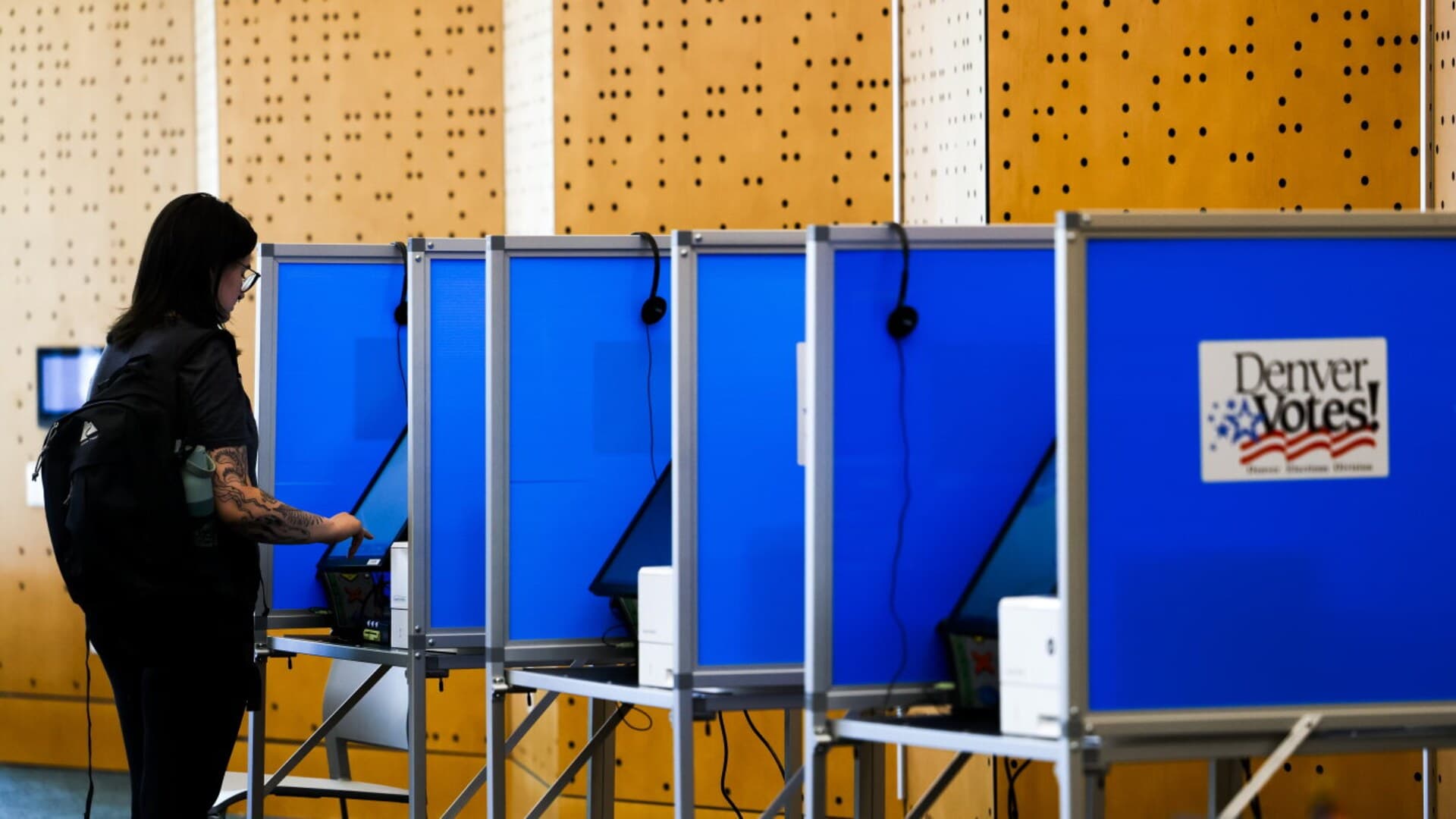
Should ICE and other armed federal agents be allowed at or near polling places in the 2026 election?
Since February 2026, federal officials have given differing answers about whether ICE and other armed federal agents could be at or near polling places during the November 3 election. On September 1, Homeland Security Secretary Markwayne Mullin said ICE would be at a polling place only if there is a threat to it or agents are serving a warrant, and DHS told Politico that ICE is not planning operations targeting polling locations but that arrests could result if an active public safety threat endangered one. On September 10, 18 and 23, 2026, LULAC and other groups, a coalition including the NAACP, and Democratic leaders and party committees sued separately in federal court in Washington. They allege that the administration's statements and actions violate 18 U.S.C. 592, Section 11(b) of the Voting Rights Act, or both. As of September 25, the court dockets show no motion for a preliminary injunction and no answer or motion to dismiss from the federal defendants, and no court has ruled.
Source and context
Analysis
About this source
Nunn argues that Section 592 bars deployments even during an emergency, apart from its narrow armed-enemies exception. This is legal analysis, not a decision in the pending election lawsuits.
Archived copy (opens in a new tab)Before the quotation
Nunn opens by writing that stationing federal troops at polling places would be clearly illegal, because Section 592 criminalizes deploying federal troops or armed federal law enforcement agents to any polling place. He then rejects a 1968 Office of Legal Counsel memo saying the ban does not apply when the president invokes the Insurrection Act.
After the quotation
The passage ends the article. Its argument concerns troops; the article mentions armed federal law enforcement agents only in describing what Section 592 covers.
How this statement is classified
The label describes this statement's response within the context above.
Why this label?
Relative to the prospect of ICE and other armed federal agents at polling places, Nunn writes that Section 592 criminalizes deploying federal troops or armed federal law enforcement agents to any polling place and that such a deployment would be clearly illegal. In this passage he argues that no emergency power lifts the ban, so condemns fits. His argument centers on troops; he names armed federal agents in describing what the statute covers.
- Recorded on
- Published here
More from this case
Read the full caseGeraghty says fears of federal agents intimidating voters have so far proved unfounded
“There’s a lot of fear that the 2026 midterm elections will be disrupted by some authority, either federal or local, harassing and intimidating voters, seizing ballots, or closing polling places. That fear, so far, appears unfounded.”Read statement
Letitia James says armed federal agents are not allowed at New York polls
“I want New York voters to know the law is on their side. Armed federal agents are not allowed at polling places, and no one can use a badge, a weapon, or a threat to stop you from voting.”Read statement
Trueblood says uniformed federal observers can intimidate voters
“You standing there in your FBI vest is intimidating to voters, and so we’re not going to allow that,”Read statement
Share or embed this statement
The embed keeps its attribution link to The Dispute Index. Credit the image to The Dispute Index and link to the statement page.
Cite this record
- Publisher
- The Dispute Index
- Title
- Nunn argues no emergency power overrides the ban on troops at the polls
- First published
- Last updated
- Permalink
- https://disputeindex.com/events/6946-nunn-argues-that-apart-from-a-narrow-exception
Last updated marks the most recent saved version of this published statement.
The Dispute Index. "Nunn argues no emergency power overrides the ban on troops at the polls". First published: 2026-10-27. Last updated: 2026-10-27. https://disputeindex.com/events/6946-nunn-argues-that-apart-from-a-narrow-exception