
Akhvlediani supports a new model of association
Tinatin AkhvledianiHead of the Enlargement Programme at CEPS
Akhvlediani welcomes the proposed deeper relationship with Canada and argues that it could become a model for other partners outside Europe.
“The fact that the EU is experimenting with new ways of building deeper relationships with like-minded partners is a welcome development.”
Analysis
Where this statement fits
Should Canada become an associate member of the European Union?
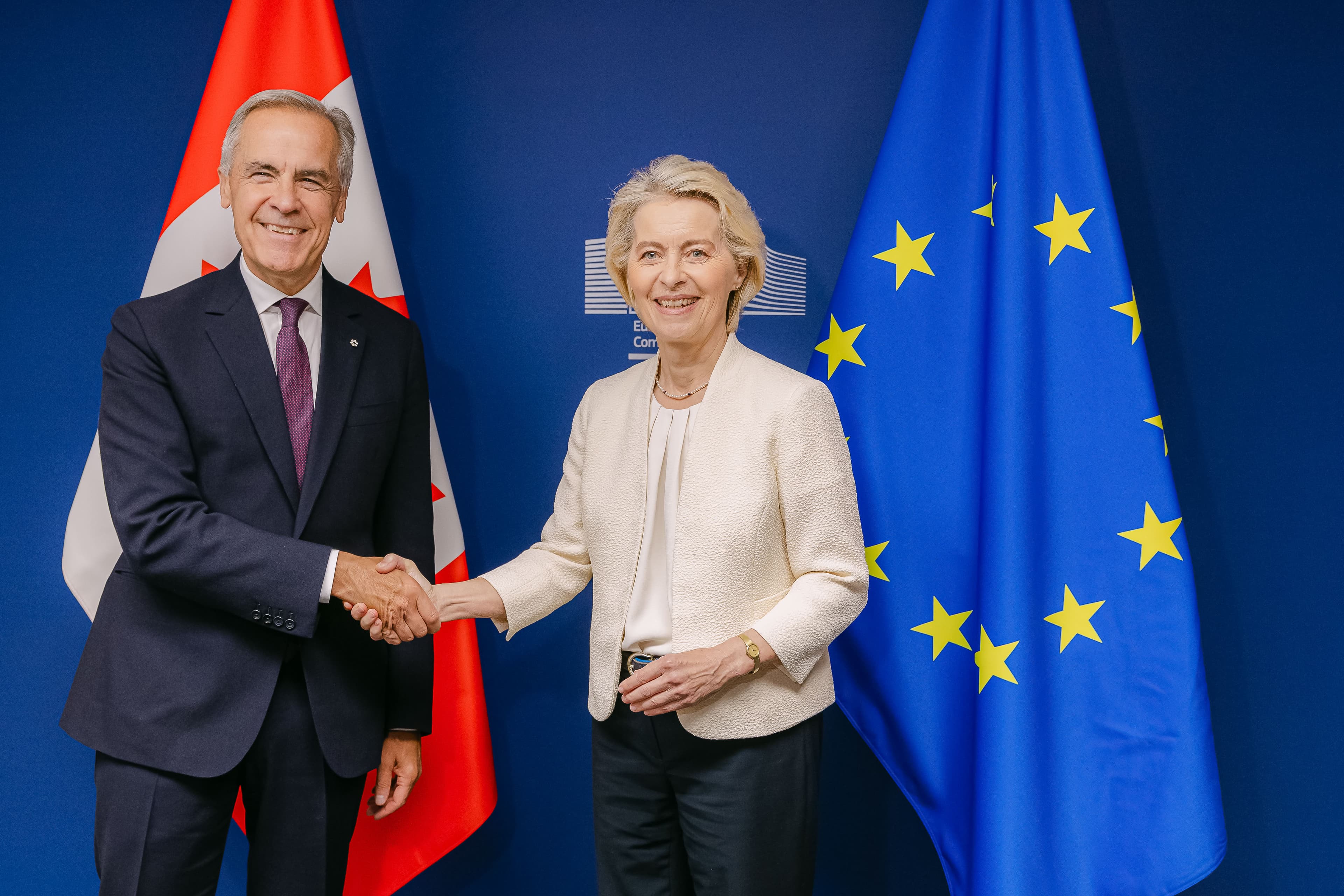
In her State of the European Union address on 16 September 2026, European Commission President Ursula von der Leyen said she would like to work with Prime Minister Mark Carney on opening the door for Canada to be the first associate member of the European Union, as part of moving beyond the existing CETA trade agreement to what she called an Alliance for the Future. Carney, present as an invited guest, told the European Parliament the following day that Canada welcomes the ambition, while attributing the associate-member phrase to von der Leyen rather than adopting it, and promised debates and a vote in the Canadian Parliament on the final structure. Conservative leader Pierre Poilievre set red lines against Canadians paying taxes to Brussels, following European laws they did not vote on, or adopting European immigration policy. United States President Donald Trump said that if he judged the arrangement a hostile act he would impose heavy tariffs on Europe or curtail trade. No agreement has been signed, and associate membership is not a status defined in the European Union's treaties.
Source and context
Analysis
About this source
Akhvlediani supports a structured association with Canada and calls for clear rights and obligations.
Archived copy (opens in a new tab)Before the quotation
She distinguishes conventional EU membership, single-market alignment and a new form of structured association.
After the quotation
She calls for the EU to define the arrangement's rights, obligations and legal basis.
How this statement is classified
The label describes this statement's response within the context above.
Why this label?
Relative to the proposed Canadian association with the EU, Akhvlediani expressly welcomes deeper structured ties.
- Recorded on
- Published here
More from this case
Read the full caseCarleton's Achim Hurrelmann doubts an associate-member status for Canada can be set up soon
“I'm not sure if a status with that name can be established for Canada any time soon”Read statement
Poilievre says the summit cut no tariffs and warns against aligning Canada with European policies
“Worse, there was lots of talk at the summit about aligning Canada with the insane European taxes, debt, immigration and anti-oil and gas policies that have left parts of Europe bankrupt and burning.”Read statement
German ambassador says the two sides should give the associate-member label real content
“The president of the commission and the prime minister are using the term associated membership, so let's fill that name with life and see what it can be about. I think we should not be distracted by the label in question from the important content that has been agreed today”Read statement
Share or embed this statement
The embed keeps its attribution link to The Dispute Index. Credit the image to The Dispute Index and link to the statement page.
Cite this record
- Publisher
- The Dispute Index
- Title
- Akhvlediani supports a new model of association
- First published
- Last updated
- Permalink
- https://disputeindex.com/events/6763-akhvlediani-welcomes-the-proposed-deeper-relationship-with-canada
Last updated marks the most recent saved version of this published statement.
The Dispute Index. "Akhvlediani supports a new model of association". First published: 2026-10-25. Last updated: 2026-10-25. https://disputeindex.com/events/6763-akhvlediani-welcomes-the-proposed-deeper-relationship-with-canada