
Wessler rejects the claim that using technology removes Fourth Amendment protection
Nathan Freed WesslerACLU attorney who argued Carpenter v. United States
Wessler rejects the claim that using technology removes Fourth Amendment protection.
“The government can no longer claim that the mere act of using technology eliminates the Fourth Amendment’s protections.”
Official statement
Where this statement fits
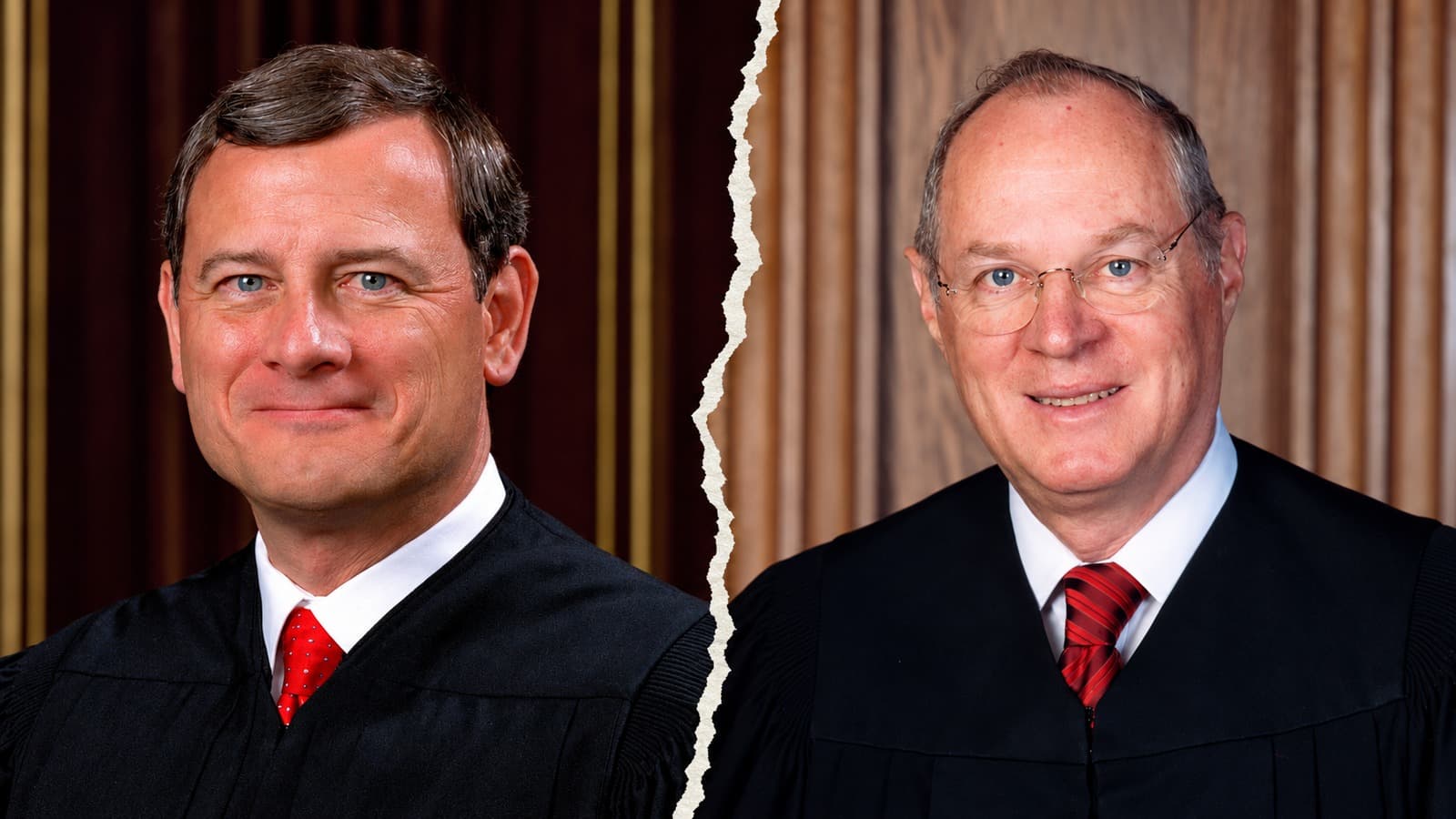
Carpenter: Roberts and Kennedy split over police access to cellphone location records
In June 2018, the Supreme Court ruled five to four that obtaining Timothy Carpenter's historical cellphone location records was a search and generally required a warrant. Chief Justice John Roberts stressed the reach of location surveillance. Justice Anthony Kennedy dissented, arguing that the government obtained the carriers' business records rather than searching Carpenter's property.
Source and context
Official statement
About this source
The ACLU issued a statement after the Supreme Court ruled in Carpenter. Wessler had argued the case for Carpenter.
Archived copy (opens in a new tab)Before the quotation
The ACLU issued a statement after the Supreme Court ruled in Carpenter. Wessler had argued the case for Carpenter.
After the quotation
He says the ruling protects sensitive location data and could guide protection of other digital information.
How this statement is classified
The label describes this statement's response within the context above.
Why this label?
Relative to the government's claim that using technology removes Fourth Amendment protection, Wessler expressly rejects that legal characterization. He welcomes the warrant requirement for historical cellphone location records.
- Recorded on
- Published here
More from this case
Read the full caseKerr rejects Carpenter's privacy holding but says a warrant rule largely follows if that holding is accepted
“I think Carpenter’s search holding is wrong. In my view, users don’t have Fourth Amendment rights in their historical cell-site records. But if you accept that erroneous holding as correct, and you then need to figure out what the reasonableness standard is for compelling access, I think something like the majority’s rule, in which the target is still ultimately protected by the same protections that would apply if the information were locally stored, is probably right.”Read statement
Crocker and Lynch urge warrants for all cellphone tracking
“We think the right rule is to require a warrant for any cell phone tracking”Read statement
Anthony Kennedy defends obtaining carrier business records
“The Court has twice held that individuals have no Fourth Amendment interests in business records which are possessed, owned, and controlled by a third party. United States v. Miller, 425 U. S. 435 (1976); Smith v. Maryland, 442 U. S. 735 (1979). This is true even when the records contain personal and sensitive information.”Read statement
Share or embed this statement
The embed keeps its attribution link to The Dispute Index. Credit the image to The Dispute Index and link to the statement page.
Cite this record
- Publisher
- The Dispute Index
- Title
- Wessler rejects the claim that using technology removes Fourth Amendment protection
- First published
- Last updated
- Permalink
- https://disputeindex.com/events/6635-wessler-rejects-the-claim-that-using-technology-removes
Last updated marks the most recent saved version of this published statement.
The Dispute Index. "Wessler rejects the claim that using technology removes Fourth Amendment protection". First published: 2026-10-24. Last updated: 2026-10-24. https://disputeindex.com/events/6635-wessler-rejects-the-claim-that-using-technology-removes