
Breyer says the majority's categorical answer is too absolute
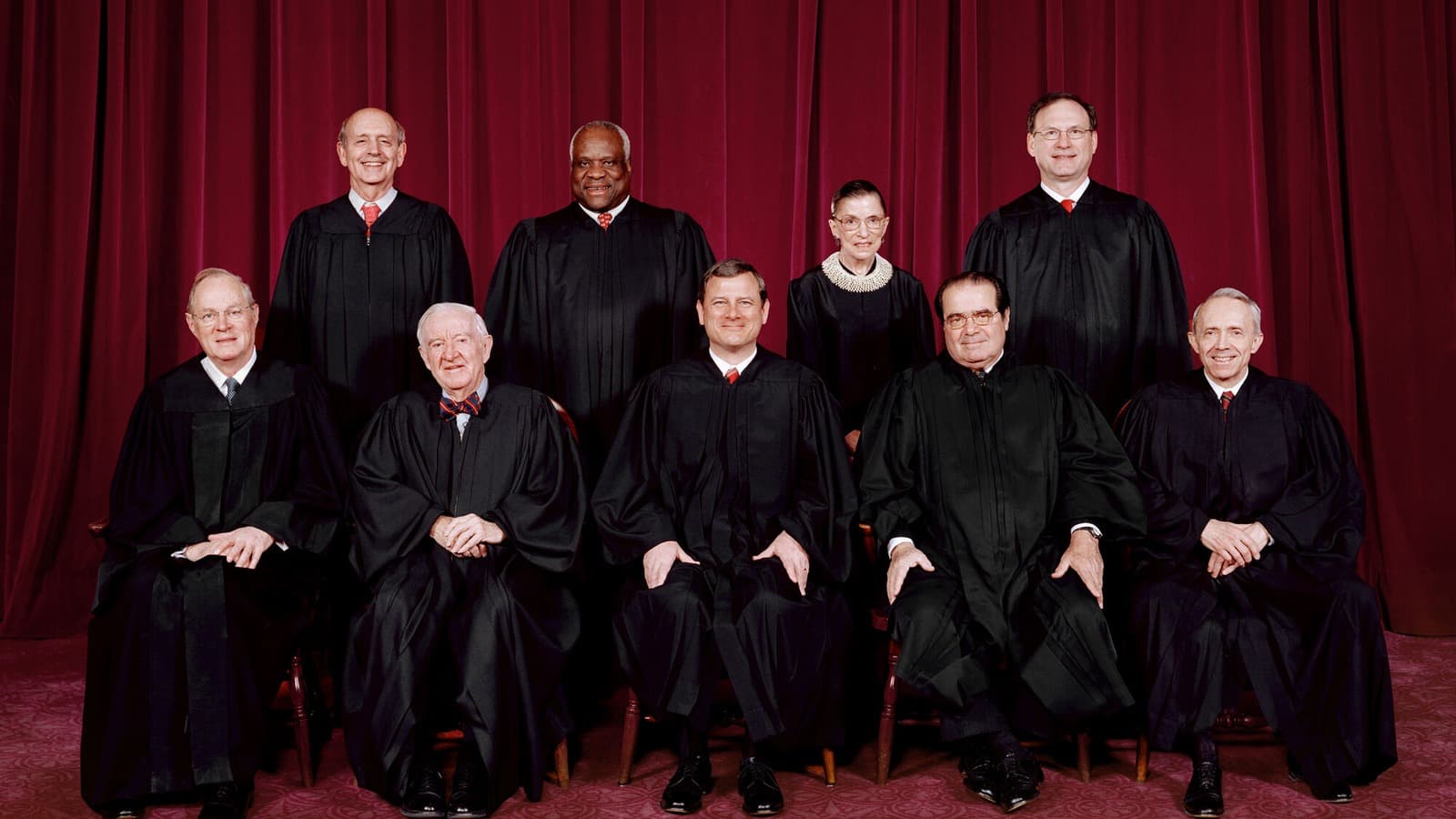
Stephen BreyerAssociate justice of the United States Supreme Court
Breyer says the majority's categorical answer is too absolute.
“In a word, the majority says, “never.” That word, in my view, is too absolute.”
Original text
Where this statement fits
Garcetti: Kennedy and Souter split over public employees' duty-related speech
The Supreme Court ruled five to four in May 2006 that the First Amendment did not protect Richard Ceballos's duty-related statements from employer discipline. Justice Anthony Kennedy wrote the majority opinion. In dissent, Justice David Souter argued for balancing the public value of warnings about wrongdoing or public safety against government management interests.
Source and context
Original text
About this source
The majority addresses speech pursuant to public employees' official duties. The decision does not repeal statutory whistleblower protections and reserves scholarship and teaching.
Before the quotation
Breyer quotes the majority's rule at the start of the second part of his dissent.
After the quotation
He also criticizes Souter's broader approach as giving too little weight to management concerns.
How this statement is classified
The label describes this statement's response within the context above.
Why this label?
Relative to Garcetti's official-duty exclusion, Breyer rejects a categorical bar but would apply balancing in special circumstances involving professional and constitutional obligations. He also criticizes Souter's broader approach.
- Recorded on
- Published here
More from this case
Read the full caseGuizar says the ruling encourages prosecutors to take concerns to the press
“telling D.A.s ‘go out and have a press conference.’”Read statement
Robin-Vergeer says the Garcetti decision strikes a blow against employees who report misconduct
“strikes a blow against public employees who want to report government misconduct”Read statement
David Souter rejects categorical exclusion of official-duty speech
“But why do the majority’s concerns, which we all share, require categorical exclusion of First Amendment protection against any official retaliation for things said on the job?”Read statement
Share or embed this statement
The embed keeps its attribution link to The Dispute Index. Credit the image to The Dispute Index and link to the statement page.
Cite this record
- Publisher
- The Dispute Index
- Title
- Breyer says the majority's categorical answer is too absolute
- First published
- Last updated
- Permalink
- https://disputeindex.com/events/6605-breyer-says-the-majority-s-categorical-answer-is
Last updated marks the most recent saved version of this published statement.
The Dispute Index. "Breyer says the majority's categorical answer is too absolute". First published: 2026-10-24. Last updated: 2026-10-24. https://disputeindex.com/events/6605-breyer-says-the-majority-s-categorical-answer-is