
DOJ argues Location History access was not a search
United States Department of JusticeUnited States government, represented by the Department of Justice
The government argued that voluntarily shared Location History carried no protected privacy interest.
“As a threshold matter, petitioner lacks a cognizable Fourth Amendment interest in the information that Google provided to law enforcement.”
Original text
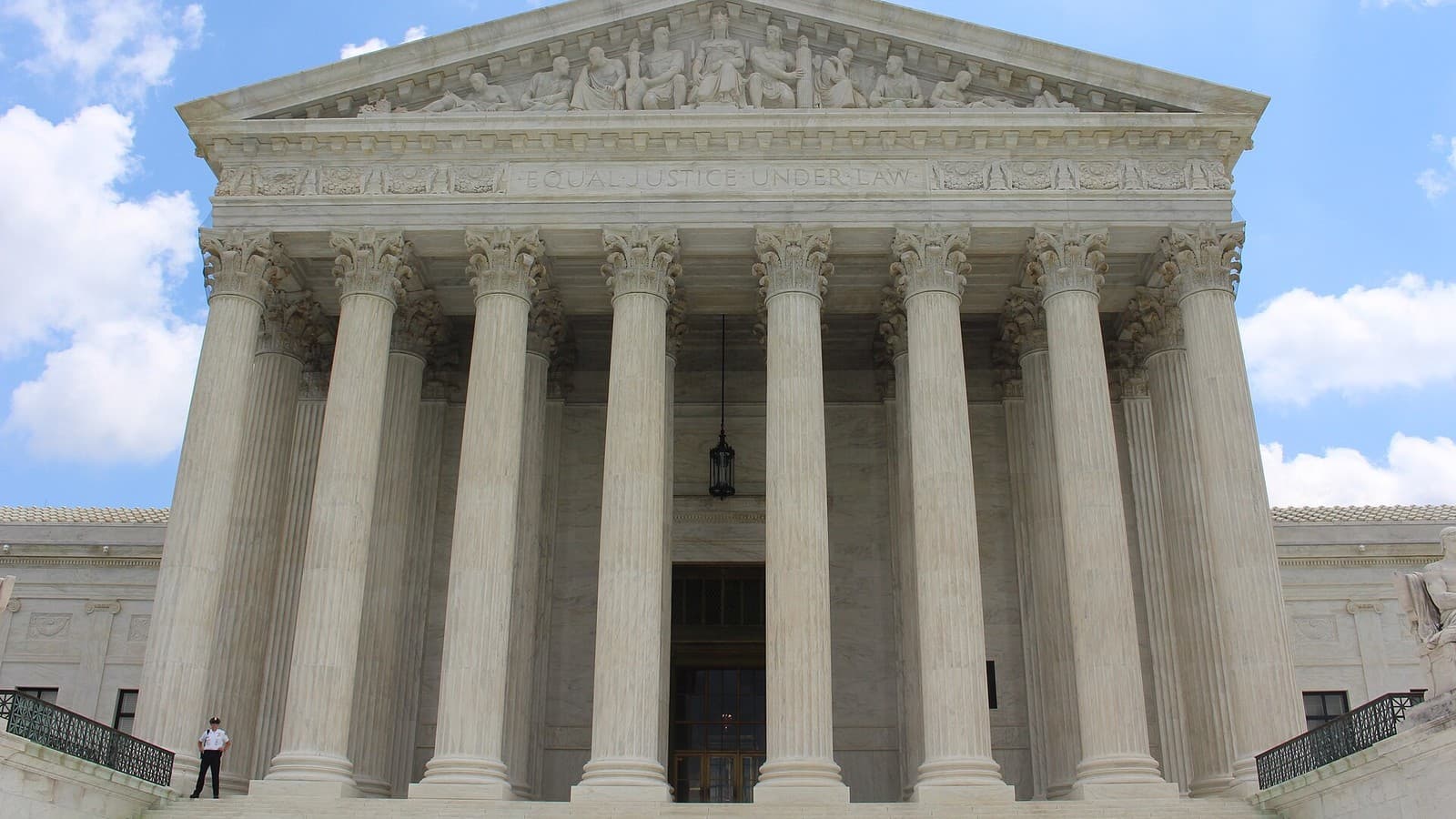
Where this statement fits
Should police access to Google Location History count as a Fourth Amendment search?
In Chatrie v. United States, the government argued that voluntarily sharing Google Location History meant police acquisition of the limited data did not trigger Fourth Amendment protection. The ACLU and NetChoice opposed that position. On June 29, 2026, the Supreme Court held that acquisition was a search. Samuel Alito dissented, distinguishing the short, optional location record from prolonged surveillance. The ruling left the warrant's reasonableness for further proceedings and did not ban every geofence warrant or decide suppression of the evidence.
Source and context
Original text
About this source
The government argues that the data was voluntarily shared and alternatively defends the warrant's reasonableness. These are its litigation arguments.
Before the quotation
The brief describes the warrant as a limited request for location information near the robbery.
After the quotation
It also argues that any search was reasonable because police obtained and followed a judicial warrant.
How this statement is classified
The label describes this statement's response within the context above.
Why this label?
The case examines treating Google Location History as outside Fourth Amendment search protection. The government defends that treatment, alleging voluntary sharing and citing the limited period involved.
- Recorded on
- Published here
More from this case
Read the full caseAlito says Chatrie "assumed the risk" by giving Google his location information
“So, by giving Google his location information for its own use, Chatrie assumed the risk that Google might disclose location information to others, including the police.”Read statement
NetChoice argues entrusted data retains protection
NetChoice
“individuals do not lose their privacy interests just because the data is temporarily stored, with the user’s permission, with an online service provider.”Read statement
ACLU rejects the government's no-search position
American Civil Liberties Union
“Letting that power go unchecked is inconsistent with basic freedoms in a democratic society.”Read statement
Share or embed this statement
The embed keeps its attribution link to The Dispute Index. Credit the image to The Dispute Index and link to the statement page.
Cite this record
- Publisher
- The Dispute Index
- Title
- DOJ argues Location History access was not a search
- First published
- Last updated
- Permalink
- https://disputeindex.com/events/5608-the-government-argued-that-voluntarily-shared-location-history
Last updated marks the most recent saved version of this published statement.
The Dispute Index. "DOJ argues Location History access was not a search". First published: 2026-10-12. Last updated: 2026-10-12. https://disputeindex.com/events/5608-the-government-argued-that-voluntarily-shared-location-history