
Patel defends case-by-case FBI use of Flock data
FBI director
“They collect information, not the FBI, where there is no reasonable expectation of privacy, basically publicly available information.”
Source and context
Original video
About this source
Full hearing recording includes Cornyn's question about public criticism of license-plate readers and Patel's response defending case-by-case FBI use.
Archived copy (opens in a new tab)Reporting
About this source
Contemporaneous reporting quotes Patel's defense and summarizes Cornyn's questions about privacy and law-enforcement value.
Archived copy (opens in a new tab)Before the quotation
Cornyn asked Patel about the value and privacy implications of automated license-plate readers.
After the quotation
Patel said private companies and local governments collect the data and that the FBI accesses it for particular cases rather than continuously.
How this statement is classified
Case context: Should Flock-style license-plate surveillance networks exist?
The label describes this statement’s response within the context above.
Why this label?
Patel presents the network as a useful investigative tool and defends its use subject to lawful access.
- Recorded on
- Published here
- People and groups discussed
- Flock Safety
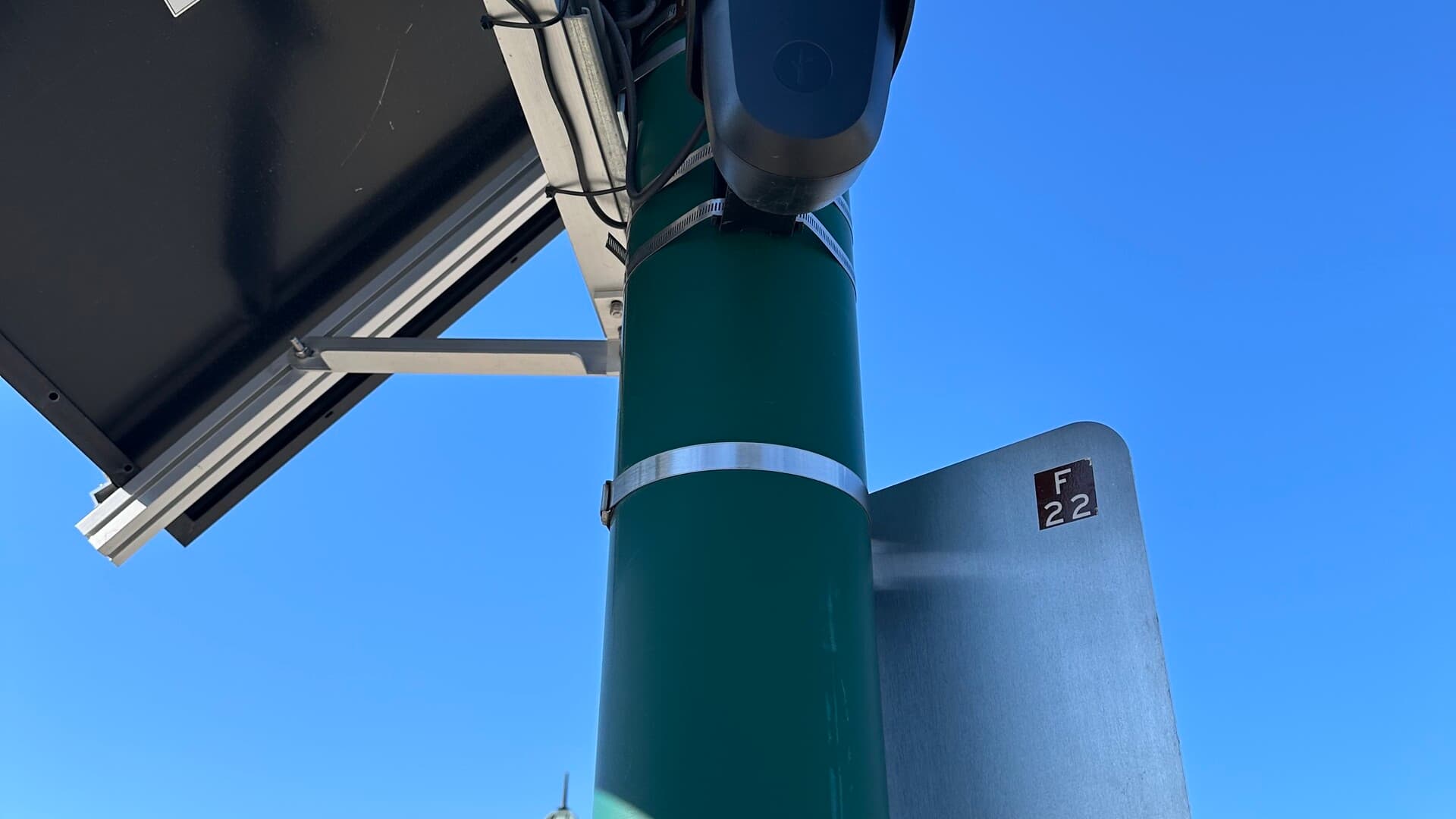
Should Flock-style license-plate surveillance networks exist?
Explore the case context, sources and public responses.
More from this case
Read the full case“Ohioans should not have their movements routinely tracked, photographed, and stored simply for driving on public roads.”Read statement
“Tennesseans should be free from a surveillance state.”Read statement
“We need to restore real limits, real oversight, and real due process.”Read statement