
Independent senator David Pocock says the defence laws could turn data centres into militarised security zones
David PocockIndependent senator for the Australian Capital Territory, in comments to SBS News
Pocock told SBS News the laws could exempt private contractors from some federal, state and territory laws and let civilian infrastructure such as data centres become militarised security zones.
Responding to
The defence bill lets the government jail protesters for up to seven years, turn AI data centres into defence security zones and make U.S. troops Australian defence security officials.
“These laws could allow private contractors to be exempted from certain federal, state and territory laws, and allow civilian infrastructure like data centres to become militarised security zones.”
Checked word for word against a linked source on .
Reporting
Where this statement fits
Australia's Senate passes a bill creating defence security zones; the Greens say it can jail protesters and militarise data centres, and the government calls those claims false
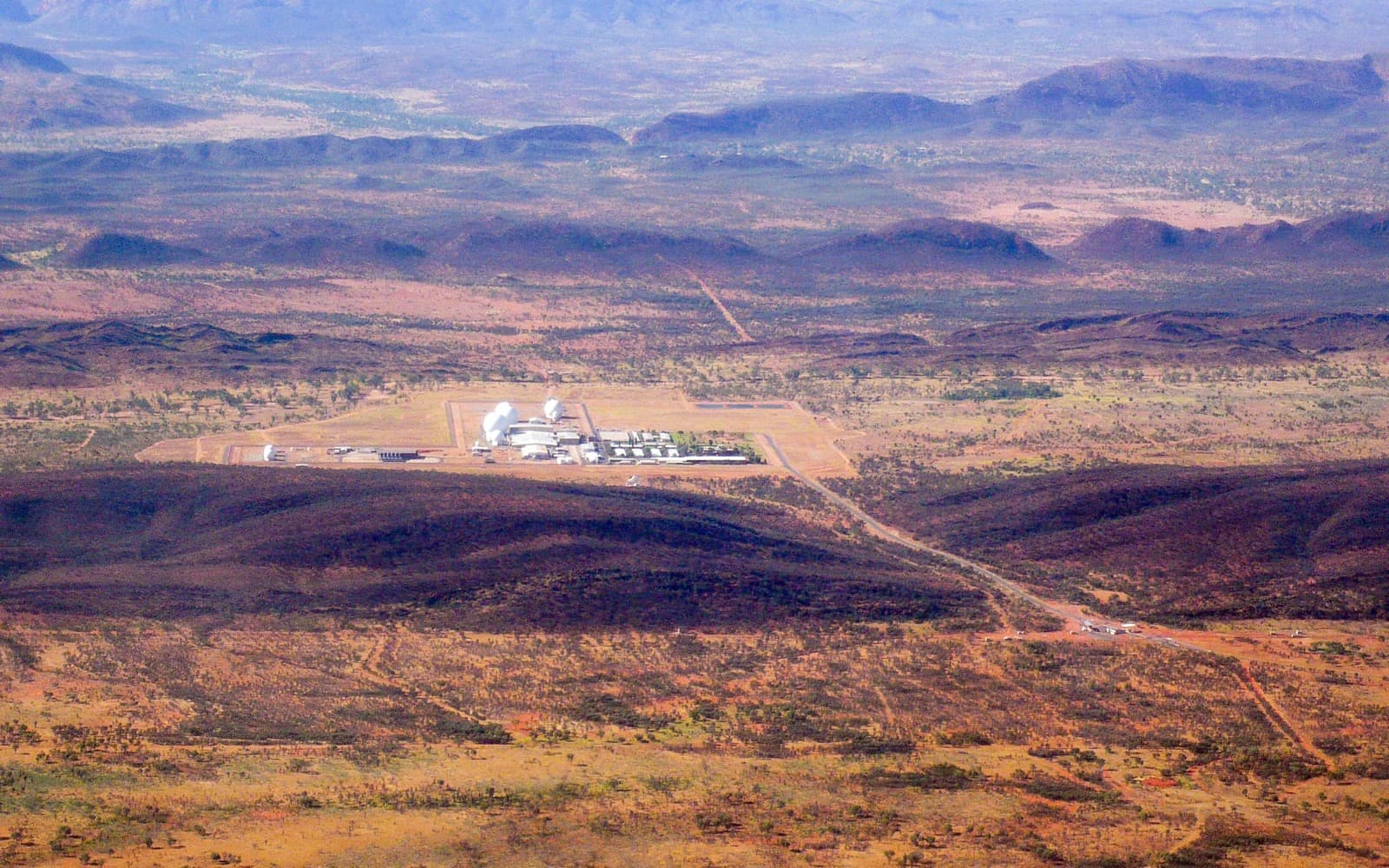
The Albanese government introduced the Defence Legislation Amendment (Accelerating Capability and Protecting Bases) Bill 2026 on October 27, 2026, saying it would give Defence a modern framework to develop capability with industry and allies and to act against drones over sensitive sites. The bill lets the defence minister declare permanent, temporary, mobile and special defence security zones, including at industry facilities outside Defence land, makes it an offence to enter a zone or capture images in it without permission, and lets defence security officials detain people until police arrive. Special zones such as Pine Gap carry penalties of up to seven years in prison. The Senate passed the bill on November 19 with Labor and Coalition support. Greens senator David Shoebridge says the laws can jail protesters for seven years, turn AI data centres into security zones and let US troops act as Australian security officials, and independent senator David Pocock says data centres could become militarised zones. Prime Minister Anthony Albanese says critics are jumping at shadows, and Assistant Defence Minister Peter Khalil says the claims about protesters, photographers and foreign personnel are false.
Source and context
Reporting
About this source
SBS News report on the bill after it passed the Senate. It describes the permanent, temporary, emergency and mobile security zones, the offence of photographing a zone and penalties of up to seven years' jail. It quotes independent senator David Pocock, the Law Council of Australia, the Australia Institute, Amnesty International Australia, Assistant Defence Minister Peter Khalil and Prime Minister Anthony Albanese, and reports Greens leader David Shoebridge's Senate remarks about protesters at Pine Gap.
Archived copy (opens in a new tab)Before the quotation
Pocock told SBS News that the committee reviewing the bill ignored academic submissions and that it was disingenuous for the prime minister to downplay the powers the government gave itself. He said protecting sensitive defence facilities from drones does not mean handing the defence minister extraordinary powers without proper safeguards.
After the quotation
Pocock said the major parties denied the Senate a proper chance to scrutinise the bill, and that the inquiry lasted three hours and debate was cut to 30 minutes.
How this statement is classified
The label describes this statement's response within the context above.
Why this label?
Pocock says the bill hands the defence minister extraordinary powers without proper safeguards and could turn civilian infrastructure like data centres into militarised security zones, so we labeled it Condemned.
- Recorded on
- Published here
More from this case
Read the full caseAssistant Defence Minister Peter Khalil says claims that the bill will stop protests or jail people for photographing bases are false
“The claims made that protesters will be prevented from protesting is false. The claims made that people trying to take a photo outside of a defence base or a security zone will be arrested and put in jail for seven years, false. The claims made that Foreign Defence personnel, including U.S. personnel, will have powers of arrest and detain, being able to detain and arrest others is false.”Read statement
Prime Minister Anthony Albanese says critics of the defence bill should not jump at shadows
“People shouldn't jump at shadows. And that is what I've seen some of the commentary doing, reaching absurd proportions.”Read statement
Greens leader David Shoebridge says Labor, the Liberals and One Nation are voting through extreme laws that can jail protesters for seven years
“This time, to ram through extreme laws that can jail protesters for 7 years, make AI data centres into ‘Defence security zones’ and allow US troops to be Australian ‘defence security officials’.”Read statement
Share or embed this statement
The embed keeps its attribution link to The Dispute Index. Credit the image to The Dispute Index and link to the statement page.
Cite this record
- Publisher
- The Dispute Index
- Title
- Independent senator David Pocock says the defence laws could turn data centres into militarised security zones
- First published
- Last updated
- Permalink
- https://disputeindex.com/events/10392-pocock-told-sbs-news-the-laws-could-exempt
Last updated marks the most recent saved version of this published statement.
The Dispute Index. "Independent senator David Pocock says the defence laws could turn data centres into militarised security zones". First published: 2026-11-24. Last updated: 2026-11-24. https://disputeindex.com/events/10392-pocock-told-sbs-news-the-laws-could-exempt