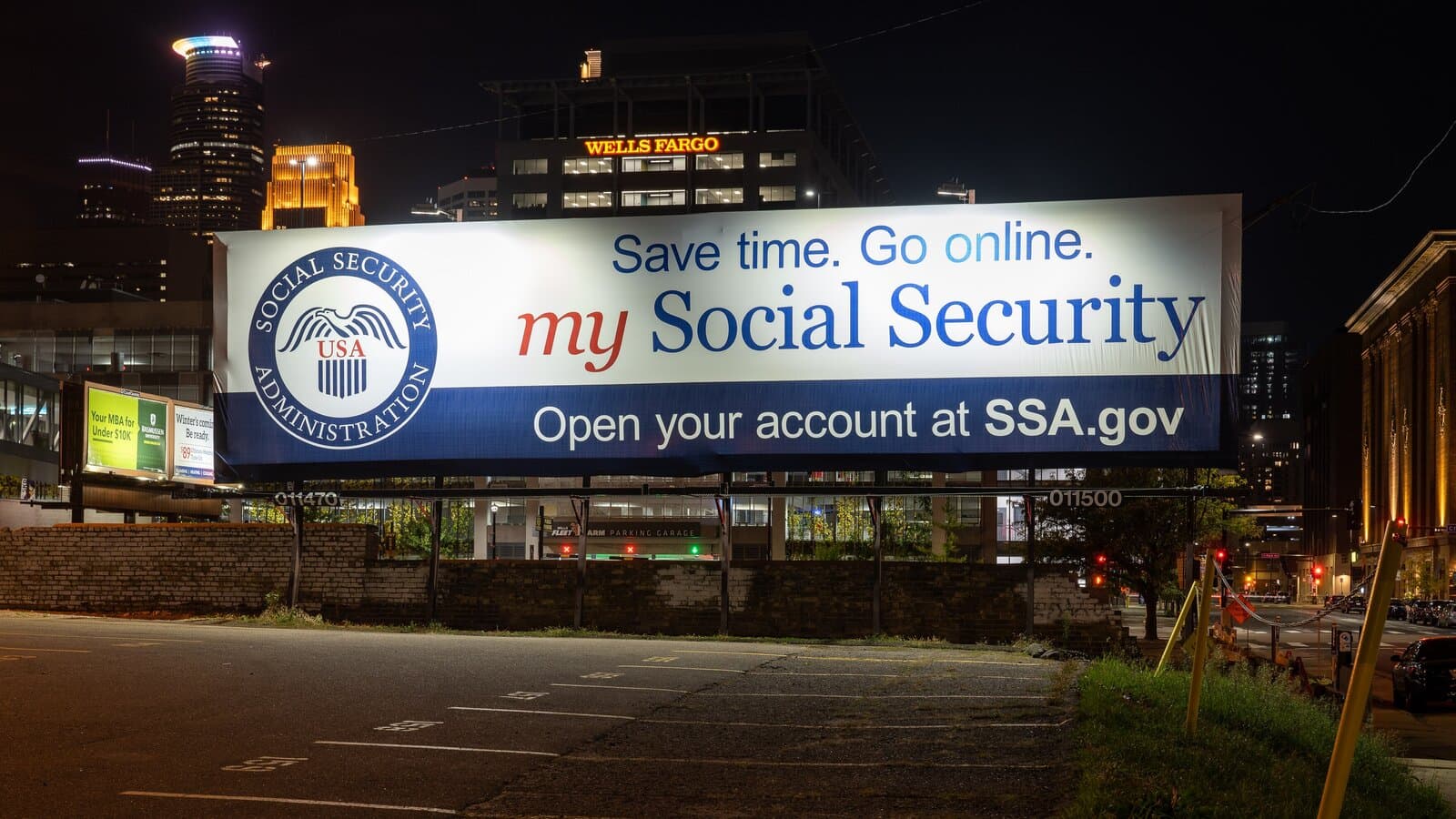
Days before the Nov. 3 midterms, the Social Security Administration and the IRS emailed Americans messages from Frank Bisignano crediting President Trump. Legal experts and Rep. Mike Levin say the emails raise Hatch Act questions.
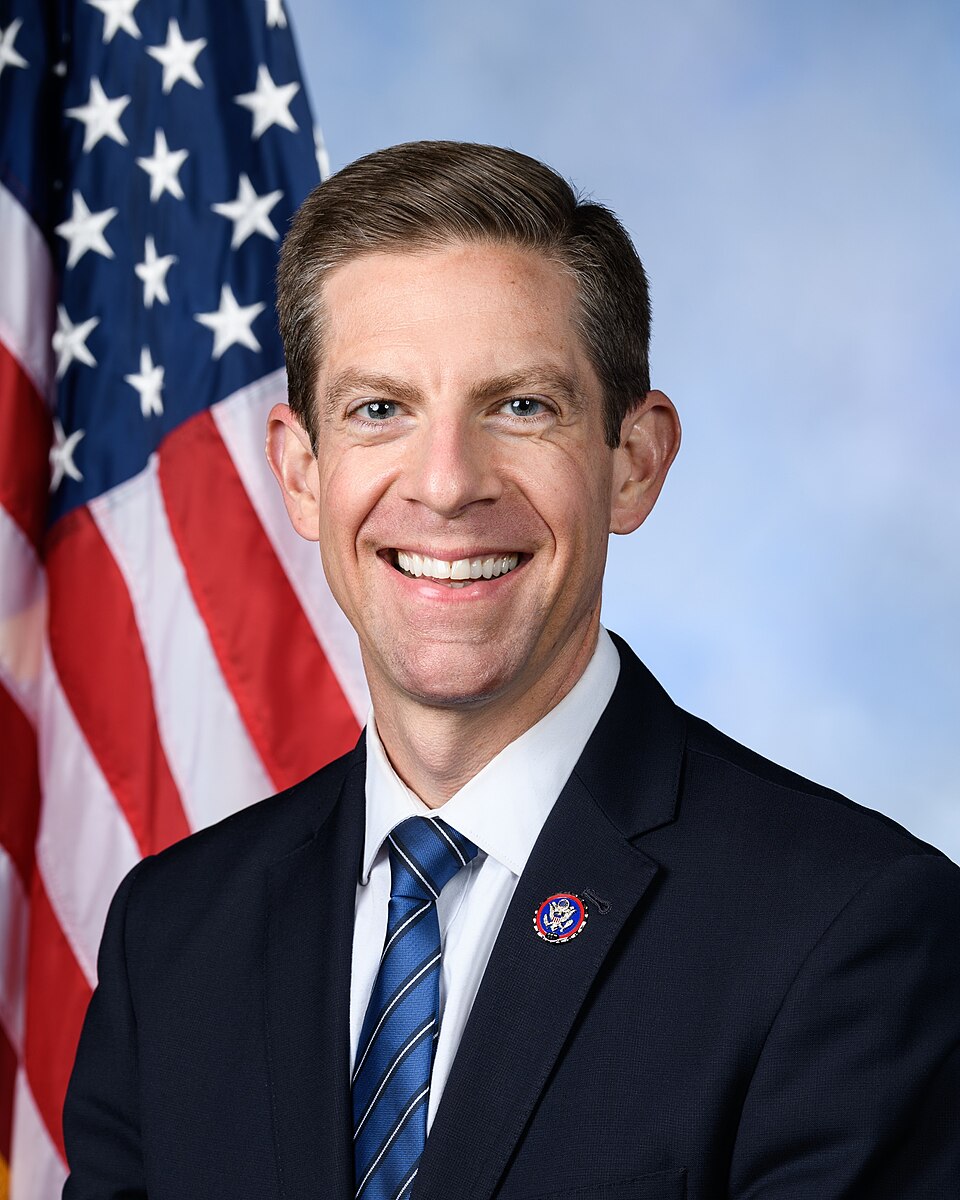
Role at the time: U.S. Representative from California, in a thread on his official Bluesky account
Condemned
Response to this claim
The Social Security Administration and IRS emails praising President Trump days before the November 3 midterms may have violated the Hatch Act.
“Two taxpayer-funded federal agencies, which are supposed to be nonpartisan, decided that the days leading up to an election were the perfect time to send Americans emails promoting Donald Trump's political agenda.”
Read the original post (opens in a new tab)Rep. Mike Levin's November 6, 2026 Bluesky thread on the IRS and Social Security emails praising TrumpThread of five posts beginning with this post
Why we used this label
The reference point is the mass emails the Social Security Administration and the IRS sent under Frank Bisignano's name days before the November 3, 2026 midterms, crediting President Trump with the agencies' performance and the tax cuts. Levin says the agencies used official emails to promote Trump's agenda before the vote and asks whether federal resources were misused for political purposes, which condemns the emails.
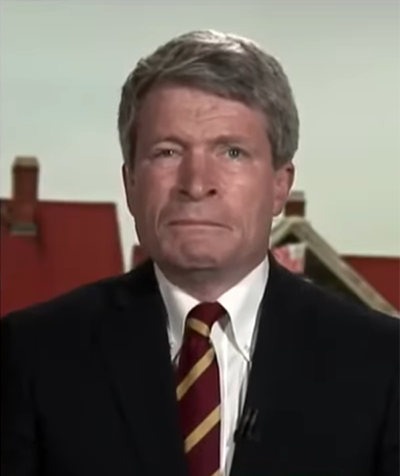
Role at the time: University of Minnesota law professor and former chief White House ethics lawyer under President George W. Bush, in comments to The New York Times reported by Newsweek
Condemned
Response to this claim
The Social Security Administration and IRS emails praising President Trump days before the November 3 midterms may have violated the Hatch Act.
“They're doing it just before the election to persuade people that President Trump is doing a good job”
Open source (opens in a new tab)Newsweek: Social Security email praising Trump days before midterm under scrutiny · NewsweekFull article
Why we used this label
The reference point is the mass emails the Social Security Administration and the IRS sent under Frank Bisignano's name days before the November 3, 2026 midterms, crediting President Trump with the agencies' performance and the tax cuts. Painter says the emails were timed to persuade voters and calls them inappropriate, which condemns them.
PolitiFact rated Ossoff's ad claims about Collins and Social Security Mostly False.
“Mostly False”
Read the official statement (opens in a new tab)Did Mike Collins tell older Americans to ‘get off of Social Security’? Ossoff’s ad omits context · PolitiFactRating and “Our ruling” section; the sourcing list naming both Ossoff ads.
What this label refers to
PolitiFact's institutional Mostly False rating is an editorial determination directly disputing the accuracy of the ad's characterization of Collins's position, not straight reporting.
Role at the time: Campaign spokesperson for Mike Collins
Challenged the characterization
Statement summary
Collins campaign spokesperson Meyer Siegfried told PolitiFact that Collins was not talking about taking away earned Social Security benefits.
“He was not talking about taking earned Social Security retirement benefits away from seniors... Rep. Collins believes seniors who spent their lives paying into Social Security should receive the benefits they earned.”
Read the official statement (opens in a new tab)Did Mike Collins tell older Americans to ‘get off of Social Security’? Ossoff’s ad omits context · PolitiFactRating and “Our ruling” section; the sourcing list naming both Ossoff ads.
What this label refers to
Siegfried directly disputes the ad's characterization of Collins's position, consistent with how the campaign's earlier statement in this case was classified.
The case asks whether the Ossoff advertisement fairly represented Collins's radio interview. Social Security Works repeats the advertisement's reading, that Collins was telling seniors to leave Social Security and work, which supports the characterization under scrutiny; we labeled it Defended or excused, as with the National Committee to Preserve Social Security and Medicare in this case. Condemned is the closest competing label, but the criticism is aimed at Collins rather than at the advertisement's use of his words. Evidence level: the organization's own post.
Role at the time: Progressive digital media outlet, posting on its official X account
Defended or excused
Response to this claim
Mike Collins wants to push Social Security beneficiaries off the program.
“GEORGIA Republican Congressman Mike Collins (@ossoff’s opponent) wants you to work til you die, with fewer benefits, as they cut taxes for the rich and inequality skyrockets.”
Read the original post (opens in a new tab)The Tennessee Holler post on Mike Collins and Social Security · The Tennessee HollerOriginal post body and attached 23-second clip
Why we used this label
The case asks whether the Ossoff advertisement fairly represented Collins's radio interview. The outlet presents the same reading the advertisement uses, that Collins wants older people off their benefits and back at work, which supports the characterization under scrutiny, so we labeled it Defended or excused. Condemned loses because the criticism targets Collins himself, not the advertisement's treatment of his words. Evidence level: the outlet's own post with the attached clip.
National Committee to Preserve Social Security and Medicare
Role at the time: National Committee to Preserve Social Security and Medicare, through its official X account
Defended or excused
Statement summary
NCPSSM asserted that Collins wanted to end Social Security and cited that assertion as a reason for endorsing Ossoff.
“GOP Rep. Mike Collins wants to end Social Security.”
Read the original post (opens in a new tab)NCPSSM links its Ossoff endorsement to a disputed claim about Collins and Social Security · National Committee to Preserve Social Security and MedicareOriginal post or statement body
What this label refers to
The case asks whether the Ossoff advertisement fairly represented Collins’s radio interview. NCPSSM adopts the advertisement’s reading by asserting that Collins wants to end Social Security, which supports the characterization under scrutiny. The closest competing label is “Condemned”; it loses because the statement criticizes Collins, not the advertisement’s characterization of him.
Role at the time: Fact-checking project of the Annenberg Public Policy Center, in an article by Eugene Kiely
Challenged the characterization
Statement summary
FactCheck.org concluded that two Ossoff ads used a partial clip of Collins's 2025 radio interview and took his words out of context to say he wanted to push people off Social Security and back to work. It found that Collins had been arguing that tax cuts would make work more advantageous.
“In the Georgia Senate race, Democratic Sen. Jon Ossoff has been running TV ads that take a sound bite from his opponent about Social Security out of context.”
Read the original post (opens in a new tab)FactCheck.org article on X: "Ossoff Ad Takes Collins' Quote Out of Context" · FactCheck.orgOpening paragraphs of the article as posted on FactCheck.org's X account
What this label refers to
The case asks whether the Ossoff advertisement fairly represented Collins's radio interview. FactCheck.org's institutional conclusion disputes the advertisement's reading of Collins's words, so we labeled it Challenged the characterization, matching the PolitiFact rating in this case. Condemned is the closer alternative but loses because the article does not go on to denounce the campaign's conduct; it sets the clip against the full interview. Evidence level: the fact-checker's own published article.
Role at the time: Mike Collins U.S. Senate campaign, through spokesperson Sam Densmore
Challenged the characterization
Statement summary
The Collins campaign said the Social Security reference was a mistake, that he meant Medicaid, and that the Ossoff ad intentionally truncated the interview to mislead voters.
“Rep. Collins misspoke”
Open source (opens in a new tab)FactCheck.org review of Ossoff’s Social Security advertisement and campaign responsesOssoff advertisement, full radio quotation, and campaign responses
What this label refers to
The campaign directly contests the ad’s interpretation and says the excerpt omits crucial context.
Role at the time: Spokesperson for the Ossoff campaign, in an interview with FactCheck.org
Defended or excused
Statement summary
An Ossoff campaign spokesperson defended the advertisement’s use of the clip to FactCheck.org, saying the campaign was using Collins’s words as spoken and that he had supplied no further context. In an accompanying memo the campaign said its ads do not imply coercion, but that Collins wanted to “exert influence and pressure” to move beneficiaries into the workforce.
“We are taking the quote as he said it, and he did not provide additional context.”
Open source (opens in a new tab)FactCheck.org review of Ossoff’s Social Security advertisement and campaign responsesOssoff advertisement, full radio quotation, and campaign responses
What this label refers to
On whether the advertisement fairly represented Collins’s radio interview, the campaign defends the advertisement, which is the conduct under scrutiny here. It does not dispute a description offered by someone else but maintains that its own use of the clip was fair, so “Challenged the characterization” is the weaker fit.
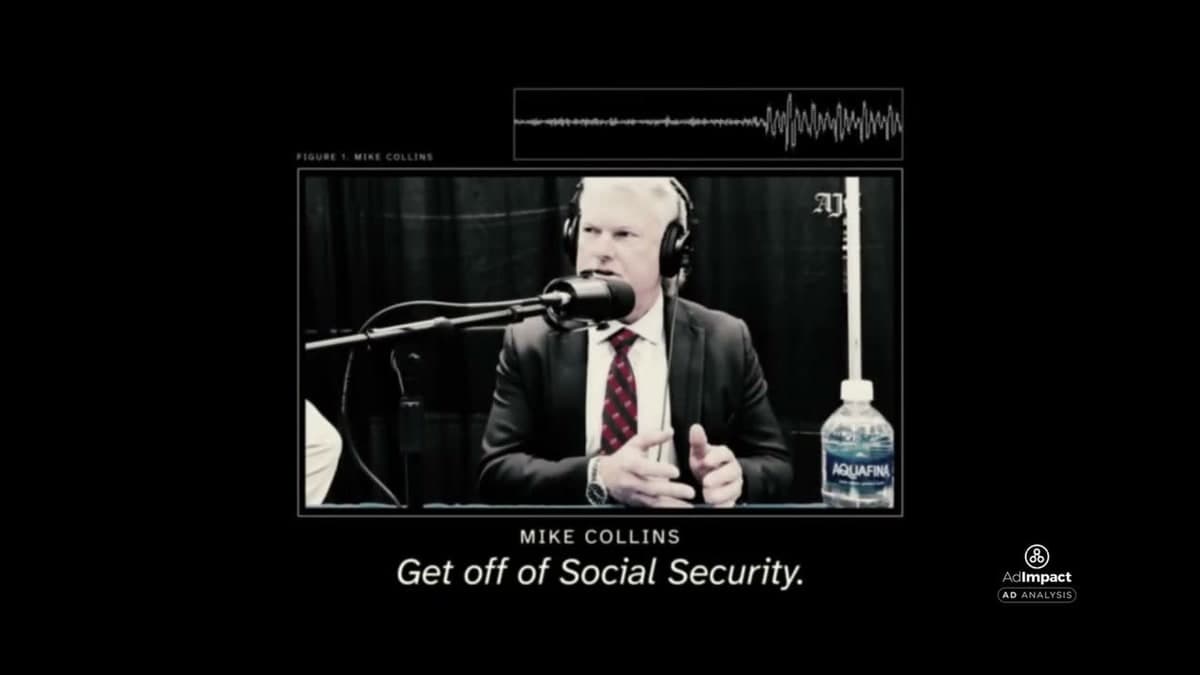
An Ossoff campaign television ad used a portion of Collins’s radio interview—“get off of Social Security, get back into the workforce”—to argue that he wanted to push beneficiaries off Social Security.
“He wants to push you off Social Security.”
Open source (opens in a new tab)FactCheck.org review of Ossoff’s Social Security advertisement and campaign responsesOssoff advertisement, full radio quotation, and campaign responses
What this label refers to
The case asks whether the advertisement fairly represented Collins’s radio interview, and the advertisement is the conduct under scrutiny. By presenting the clipped excerpt as Collins’s position, the campaign asserts that its reading is fair. The closest competing label is “Condemned,” which would describe criticism of the advertisement; the ad criticizes Collins, not its own characterization of him.
Role at the time: United States representative for Georgia’s 10th Congressional District
Mixed or conditional
Statement summary
In a June 2025 radio interview, Collins argued that lower taxes could create incentives to work and referred in the same sentence to Medicaid, Social Security, and returning to work.
“get off of Social Security”
Open source (opens in a new tab)FactCheck.org review of Ossoff’s Social Security advertisement and campaign responsesOssoff advertisement, full radio quotation, and campaign responses
What this label refers to
The full answer offers a policy rationale for increasing work incentives, while its application to Social Security beneficiaries is the specific point later disputed by the campaigns.
Richard Painter is an American lawyer and law professor at the University of Minnesota Law School. He was chief White House ethics lawyer under President George W. Bush from 2005 to 2007 and writes and comments on government ethics.
Mike Collins is a Republican U.S. representative from Georgia's 10th Congressional District and the Republican nominee for the 2026 United States Senate election in Georgia.