
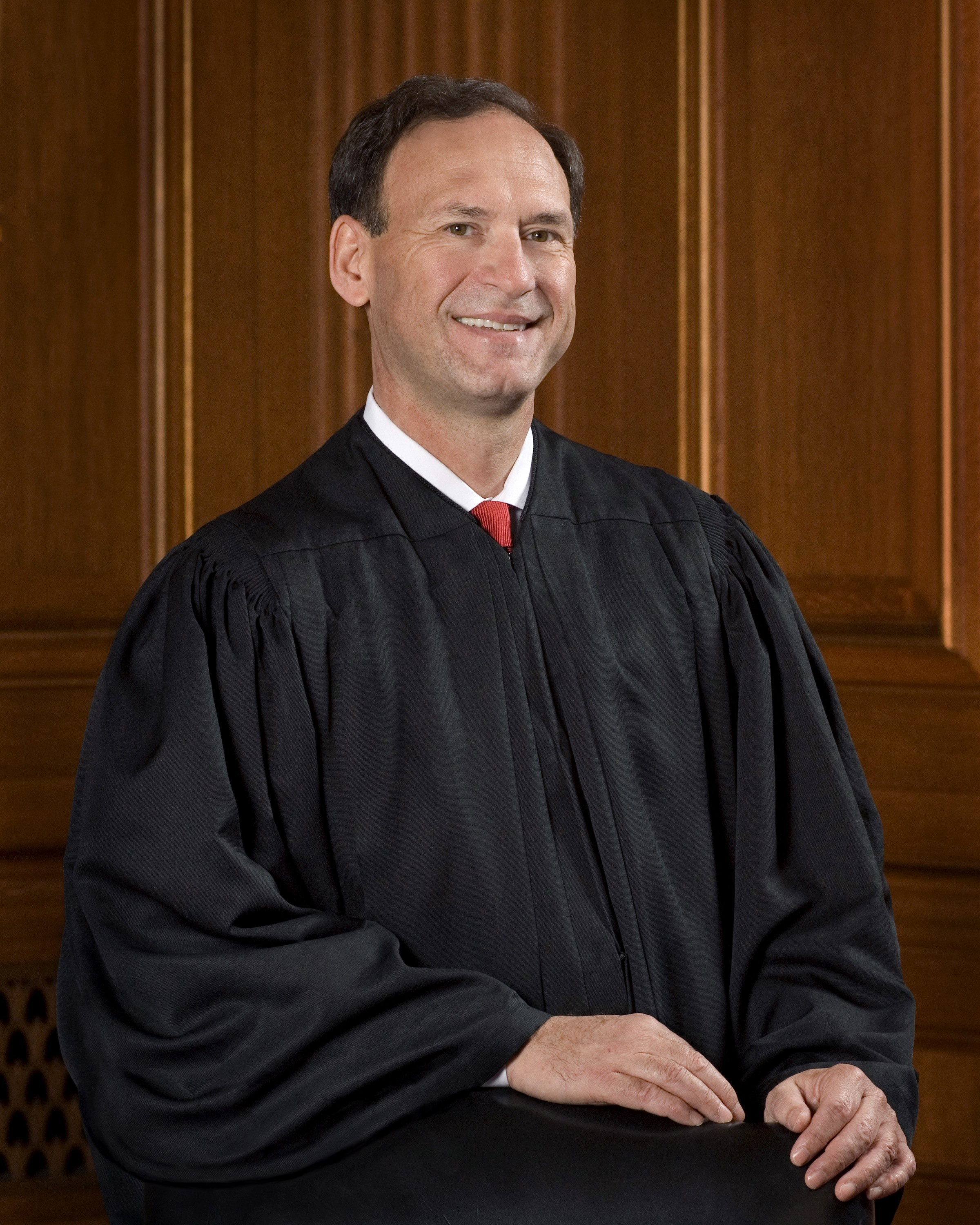
Samuel Alito
Role at the time: Associate justice of the Supreme Court, dissenting
Defended or excused
Statement summary
Alito argued that sharing location information for Google's own use meant assuming the risk of police disclosure.
“So, by giving Google his location information for its own use, Chatrie assumed the risk that Google might disclose location information to others, including the police.”
Read the original text (opens in a new tab)Chatrie v. United States: Supreme Court opinion and separate opinionsMajority pages 2, 4, 24-33; Alito dissent pages 12-17; Gorsuch concurrence and Barrett dissent.
The judgment treats acquisition of Location History as a search and remands questions about the warrant's reasonableness. It does not invalidate every geofence warrant or order suppression of the evidence.
Why we used this label
The case examines the no-search treatment of voluntarily shared Location History. Alito defends that treatment. His procedural objections do not erase his substantive position on privacy.