
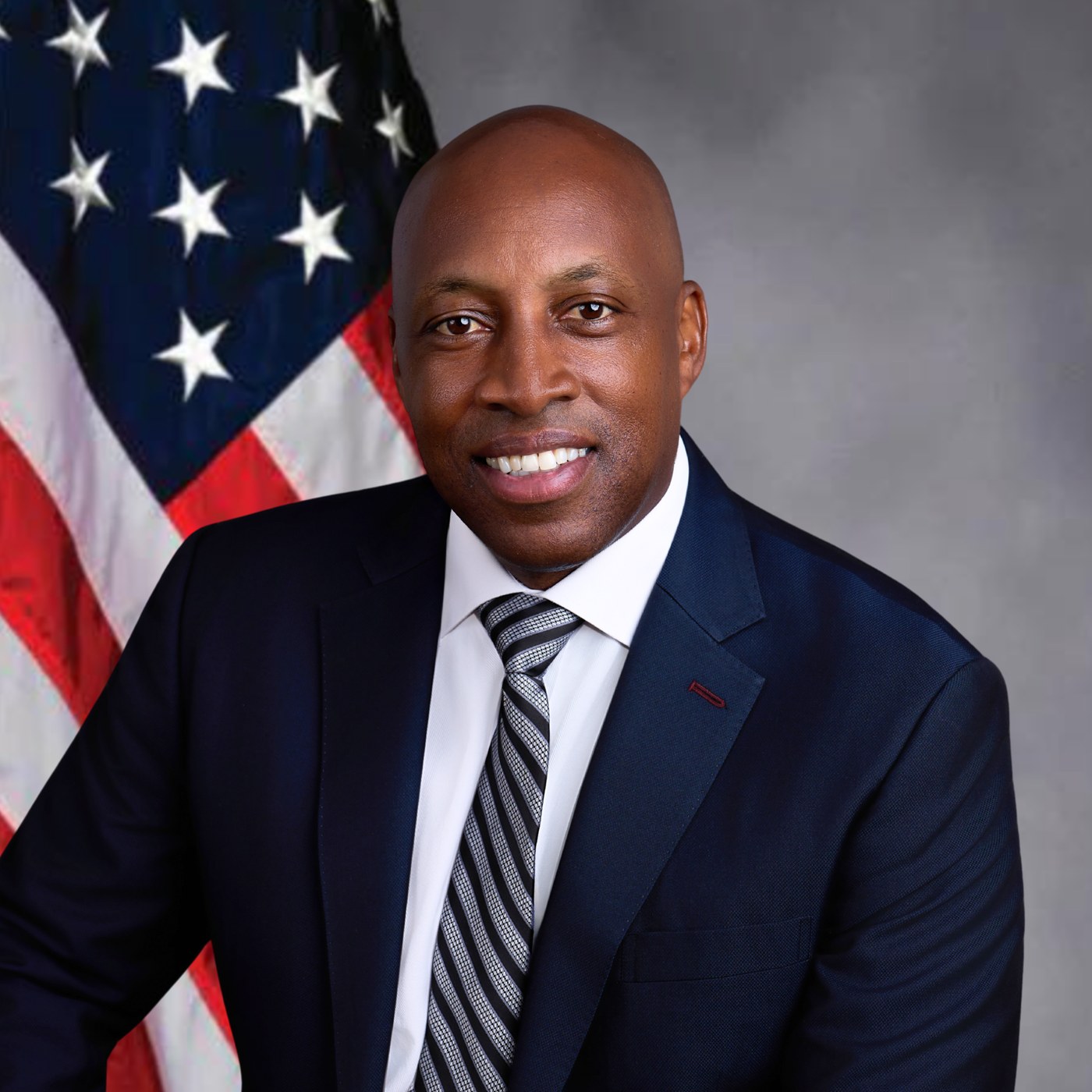
Rodney Harrison

Portrait of Rodney Harrison
Hall & Harrison Solutions

Rodney K. Harrison is a retired law-enforcement executive. He rose through the New York City Police Department to chief of department and then served as police commissioner of the Suffolk County Police Department on Long Island, New York, from December 2021 to December 2023.

What we have documented

We have documented 1 statement by Rodney Harrison, in 1 case. Each statement below gives the quotation, its original source and a link to the full case.

Case updates

Harrisburg ICE shooting: hear if the FBI inquiry goes public

You'll hear from us if the FBI or the Dauphin County DA announces findings, if the officer gives an account, or if the driver is charged or speaks publicly.

Important updates only. Free. Confirm your email to start. Unsubscribe anytime. How we handle your email.

Statements by Rodney Harrison

Portrait of Rodney Harrison

Rodney Harrison

Role at the time: Former chief of department, New York City Police Department, and former Suffolk County police commissioner, quoted by CNN as a policing expert

Condemned

Statement summary

Former NYPD chief of department Rodney Harrison told CNN that, given what the video shows, nobody was at risk of serious physical injury or death and he did not think deadly physical force was needed.

“Was anybody at risk of serious physical injury or death? And the answer is no ... I don’t think there’s a need for deadly physical force in that situation.”
Open source (opens in a new tab)An ICE officer fired at an SUV fleeing a car stop in Pennsylvania. That’s not how it should happen, policing experts say · CNNAccount of the Harrisburg stop; comments from Kenneth Corey and Rodney Harrison; DHS use-of-force policy
Why we used this label

The reference point is the officer's decision to fire. Harrison says nobody was at risk of serious injury or death and that deadly force was not needed, which rejects the shot as unnecessary rather than only disputing how the encounter is described.

A participant is a subject of the case. A speaker has a statement documented in it. A commentator has an opinion or editorial documented in it.

Topics in this coverage