
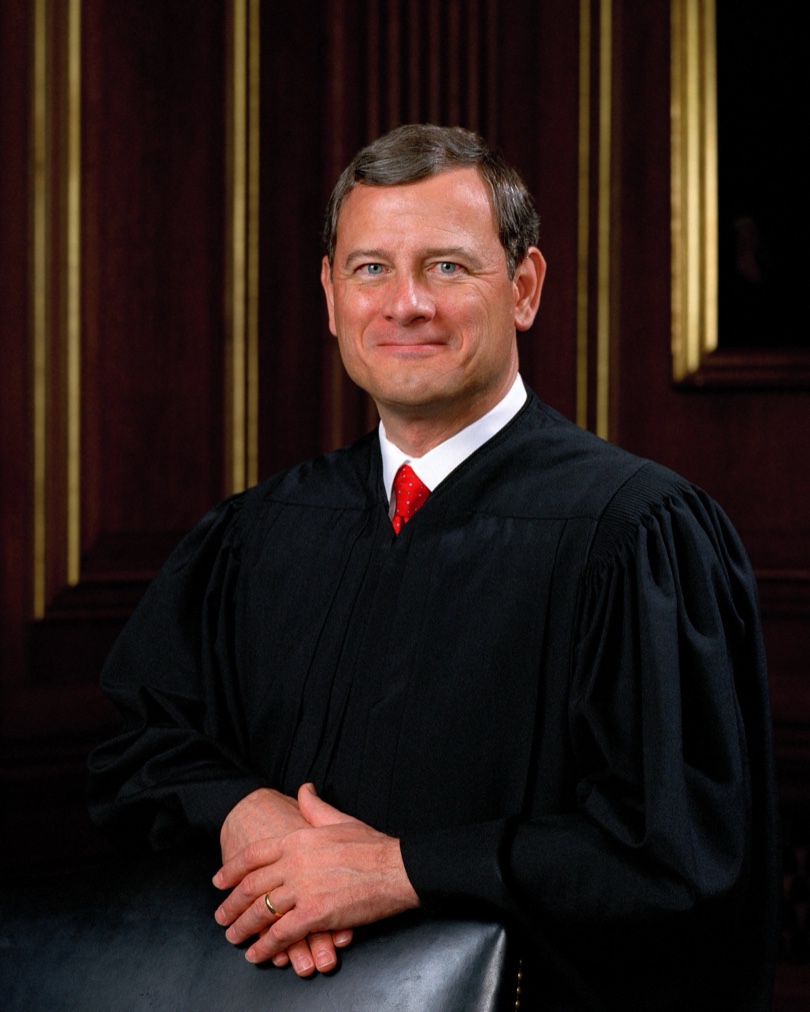
John G. Roberts Jr.
Role at the time: Chief justice, writing the Supreme Court majority opinion
Response to this claim
Obtaining carriers' historical cell-site business records does not search the customer for Fourth Amendment purposes.
“Given the unique nature of cell phone location records, the fact that the information is held by a third party does not by itself overcome the user’s claim to Fourth Amendment protection.”
The Supreme Court's 5-4 decision of June 22, 2018, written by Chief Justice Roberts, holding that the government's acquisition of historical cell-site location records from wireless carriers was a Fourth Amendment search that generally requires a warrant. The Court said individuals have a reasonable expectation of privacy in the whole of their physical movements, called its decision narrow, and said it did not call into question conventional surveillance techniques and tools such as security cameras. It does not address license-plate readers.
Archived copy (opens in a new tab)Why we used this label
The subject is warrantless acquisition of Carpenter's location records. Roberts's majority reasoning rejects the government's argument that carrier possession removes Fourth Amendment protection. This is legal criticism of the acquisition, not a personal denunciation.