
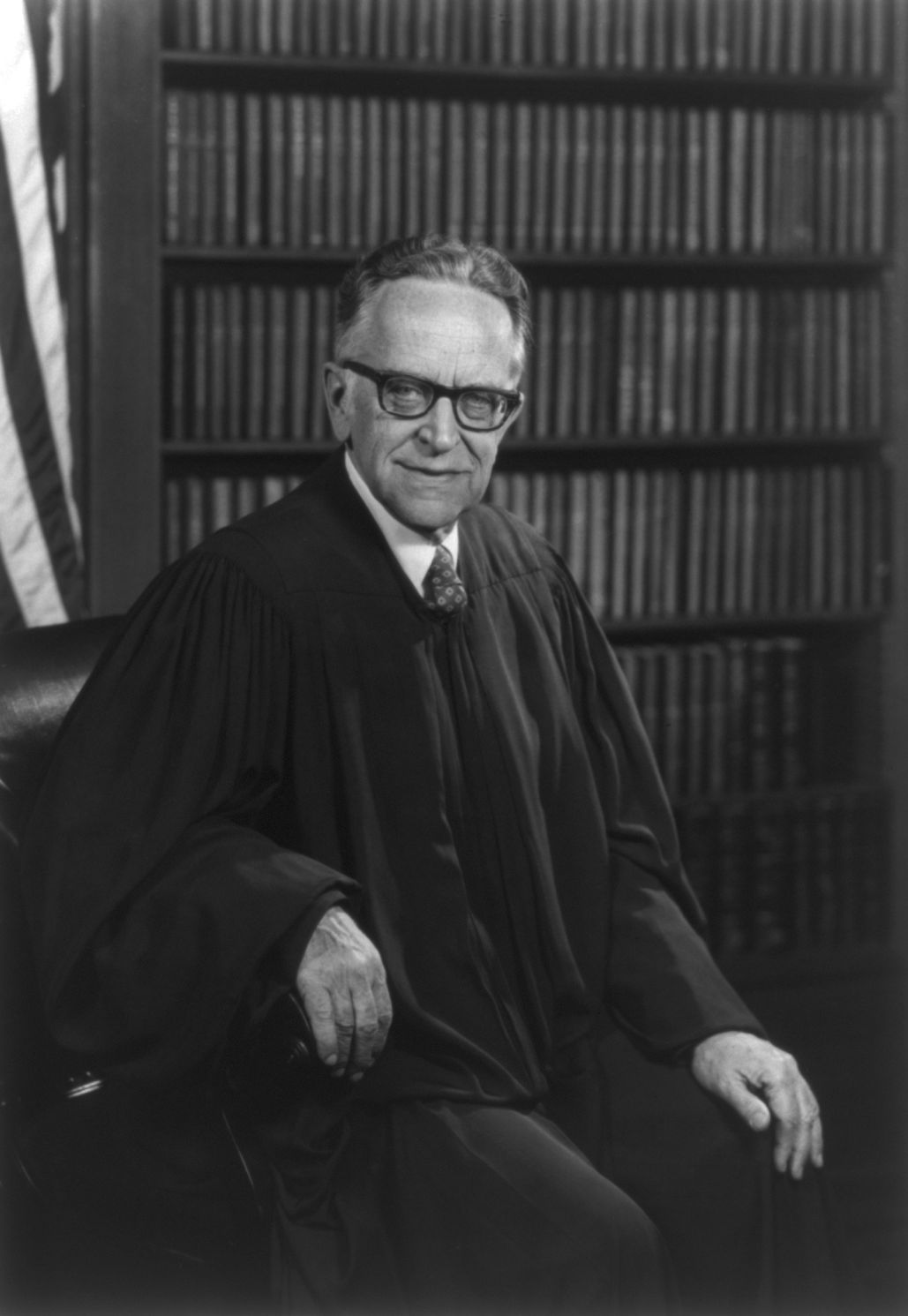
Harry A. Blackmun
Role at the time: Associate justice writing a dissent joined by three justices
Condemned
Statement summary
Blackmun concludes that time-shifting has a substantial adverse effect on the potential market for the studios' works and cannot be deemed a fair use, even under the formulation of the doctrine that Sony advances.
“Accordingly, even under the formulation of the fair use doctrine advanced by Sony, time-shifting cannot be deemed a fair use.”
Read the original text (opens in a new tab)Sony v. Universal: Supreme Court majority and dissent464 U.S. 417; Stevens majority Parts III-IV; Blackmun dissent Part IV
The majority and dissent disagree about home time-shifting, market effects and contributory liability. The decision concerns the record before the Court.
Archived copy (opens in a new tab)Why we used this label
Relative to the justification for Sony's sale and the underlying home copying, Blackmun rejects the asserted fair-use basis.