
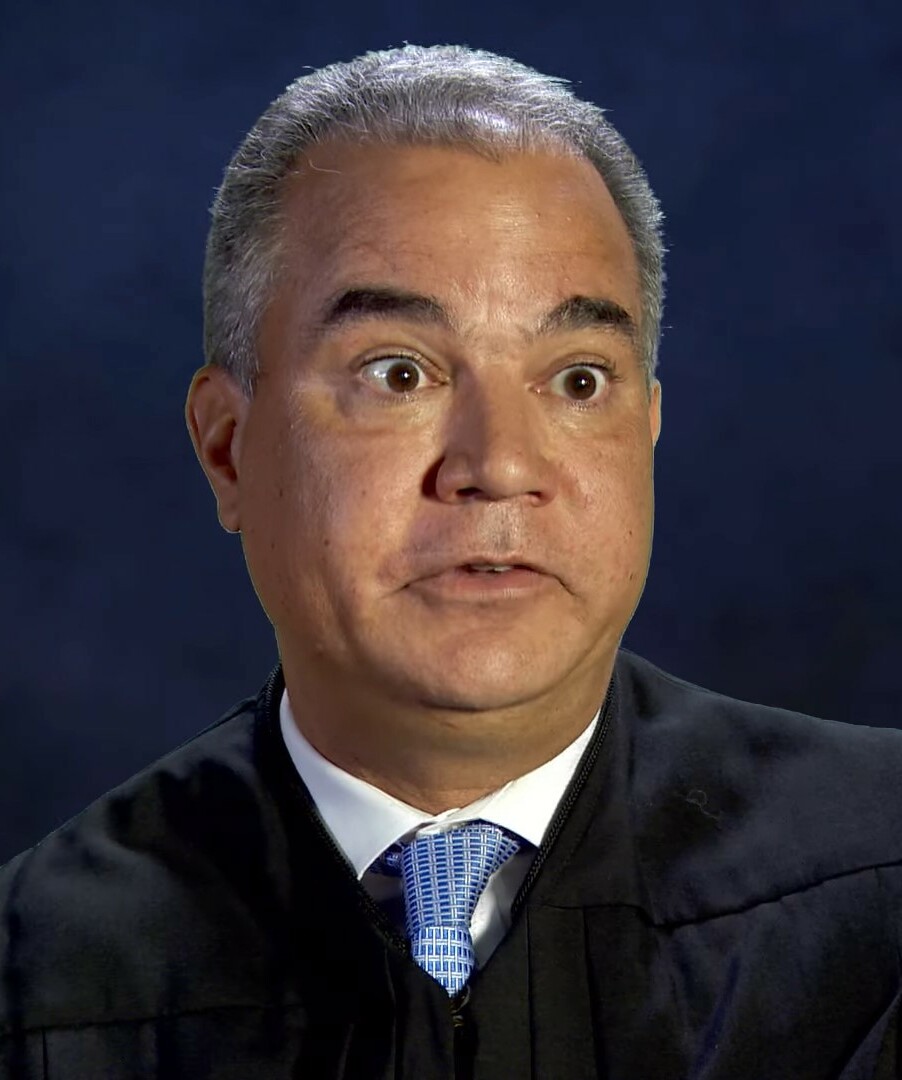
Christopher R. Cooper
Role at the time: U.S. district judge for the District of Columbia, in an opinion and order
Statement summary
Ordering limited discovery, Judge Cooper wrote that the executive orders and the public record suggested USDS exercised substantial independent authority, contrary to the government's reading.
“First, the language of the President’s USDS-related executive orders, far from resolving the question against CREW, in fact suggests that USDS is exercising substantial independent authority. ... Because the public record contradicts USDS’s already disputable interpretation of the relevant executive orders, discovery is particularly appropriate here.”
The discovery order at the center of the Supreme Court dispute. Judge Cooper allowed limited discovery into USDS's structure and authority, including a deposition of its acting administrator, while trimming some of CREW's requests.
Archived copy (opens in a new tab)Why we used this label
The reference point is the Justice Department's position that the U.S. DOGE Service, as a body that advises the President, should not face court-ordered discovery into whether FOIA applies to it. Label: Condemned. In ordering discovery, Cooper rejects the government's argument that the executive orders show USDS is purely advisory and that discovery is unwarranted. The closest competing label is Mixed or conditional; it loses because the limits he placed on CREW's requests narrow the discovery without accepting the government's position that none should proceed.