
Tribal air association says tribes near power plants may bear a disproportionate share of the harm
National Tribal Air AssociationAir quality organization of 162 member tribes, in a comment letter signed by its chair, Syndi Smallwood
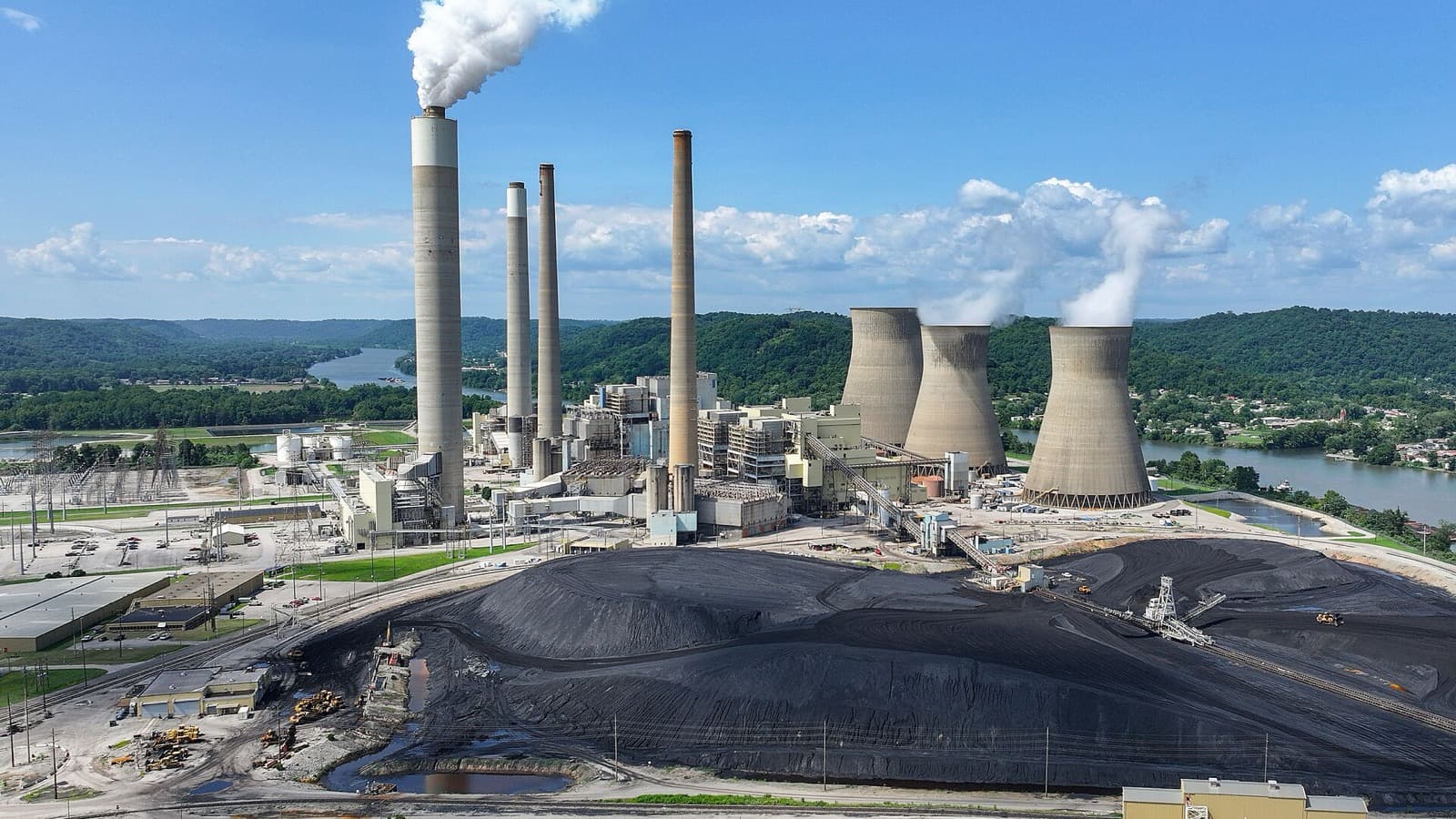
The National Tribal Air Association, which says it opposes the proposal, tells EPA that many fossil fuel power plants are on or near tribal communities and that tribes may bear a disproportionate share of the health and environmental harm from the added emissions.
“Many fossil fuel-fired electric generating units (EGUs) are located on or near American Indian and Alaska Native communities, and Tribes and Tribal members may disproportionately bear the public health and environmental consequences of the increased greenhouse gas and other emissions that this proposal would permit.”
Original text
Reporting
Where this statement fits
EPA repeals most of the 2024 power plant carbon standards and proposes ending all greenhouse gas limits on power plants; 22 states call the plan unlawful while 25 back it
On September 14, 2026, EPA Administrator Lee Zeldin announced a final rule repealing most of the 2024 Carbon Pollution Standards for fossil fuel power plants, including the carbon capture requirements for existing coal plants and new base load gas plants, and a proposal to rescind every remaining greenhouse gas standard for power plants. The proposal says section 111 of the Clean Air Act does not authorize EPA to regulate power plant emissions in response to global climate change concerns and would rescind the agency's 2015 findings to the contrary. EPA says the final rule will save $310 billion and keep electricity reliable and affordable. The final rule took effect on November 16, 2026; the proposal is not final. The comment period on the proposal closed on November 2. Attorneys general of 22 states and the District of Columbia, led by New York's Letitia James, joined by three cities and a regional air district, told EPA the proposal has no basis in fact or law and is an unlawful abdication of its duties under the Clean Air Act. Attorneys general of West Virginia and 24 other states, led by West Virginia's JB McCuskey, urged EPA to finalize it, saying it would let states secure affordable and reliable energy. The National Tribal Air Association says tribes near power plants may bear a disproportionate share of the harm. Twenty-one states led by New York have also asked a federal appeals court to overturn the final repeal.
Source and context
Original text
About this source
The National Tribal Air Association says it opposes the proposal, that tribes near fossil fuel power plants may bear a disproportionate share of the harm, and that EPA should consult with tribes before finalizing it.
Reporting
About this source
Stateline reports that the final partial repeal took effect November 16, that the proposal drew more than 165,000 comments, and that state attorneys general, tribes and medical groups split over it.
Archived copy (opens in a new tab)Before the quotation
The association states that it opposes the proposed action and, as in its earlier letters on the endangerment finding and the mercury and air toxics standards, says that perhaps no other community has felt the effects of climate change more than Indian tribes.
After the quotation
The letter argues that section 111 still authorizes EPA to regulate power plant greenhouse gases, and it asks EPA to consult with tribes and to quantify the health effects of the added emissions before finalizing the proposal.
How this statement is classified
The label describes this statement's response within the context above.
Why this label?
The association says it opposes the proposal and that tribes living near power plants may bear a disproportionate share of the harm from the emissions it would allow, so we labeled it Condemned.
- Recorded on
- Published here
More from this case
Read the full caseAttorneys general led by JB McCuskey say EPA's plan to drop power plant greenhouse gas limits properly reverses course and urge EPA to finalize it
“The Supplemental Proposed Rule properly reverses course on past EPA attempts to reshape the Nation's electricity-generating sector. And most importantly, the Supplemental Proposed Rule balances environmental protection with our Nation's energy reliability and affordability.”Read statement
Attorneys general of 22 states, including New York's Letitia James, and D.C. tell EPA its power plant proposal has no basis in fact or law
“EPA's Supplemental Proposal has no basis in fact or law, would result in large-scale emission increases that will harm the States and Local Governments, and is an unlawful abdication of EPA's responsibility under the Clean Air Act to protect public health and welfare.”Read statement
Letitia James says the repeal gives the biggest polluters a free pass and betrays American families
“This administration's insistence on giving the nation's biggest polluters a free pass will set our country back decades in the fight against climate change. Dismantling these protections is a betrayal of American families, and the stakes are too high to allow this administration to once again put profits over people.”Read statement
Share or embed this statement
The embed keeps its attribution link to The Dispute Index. Credit the image to The Dispute Index and link to the statement page.
Cite this record
- Publisher
- The Dispute Index
- Title
- Tribal air association says tribes near power plants may bear a disproportionate share of the harm
- First published
- Last updated
- Permalink
- https://disputeindex.com/events/9944-the-national-tribal-air-association-which-says-it
Last updated marks the most recent saved version of this published statement.
The Dispute Index. "Tribal air association says tribes near power plants may bear a disproportionate share of the harm". First published: 2026-11-20. Last updated: 2026-11-20. https://disputeindex.com/events/9944-the-national-tribal-air-association-which-says-it