
Center for Biological Diversity says Royal Caribbean should slow down in whale hotspots like Seward
Center for Biological DiversityConservation group, in a statement by its oceans director, Miyoko Sakashita, as quoted by Alaska's News Source
After NOAA's final report, the Center for Biological Diversity says Royal Caribbean should slow its ships in whale hotspots like Seward, and that it will keep pressing the company until it does.
“The company should do their part and slow down in whale hotspots like Seward. We'll keep pushing until they show some respect for Alaska's coastal communities and marine life”
Reporting
Other statements by Center for Biological Diversity in this case
Where this statement fits
NOAA confirms a Royal Caribbean cruise ship struck and killed a pregnant fin whale near Seward; conservationists say the company must slow its ships in whale habitat
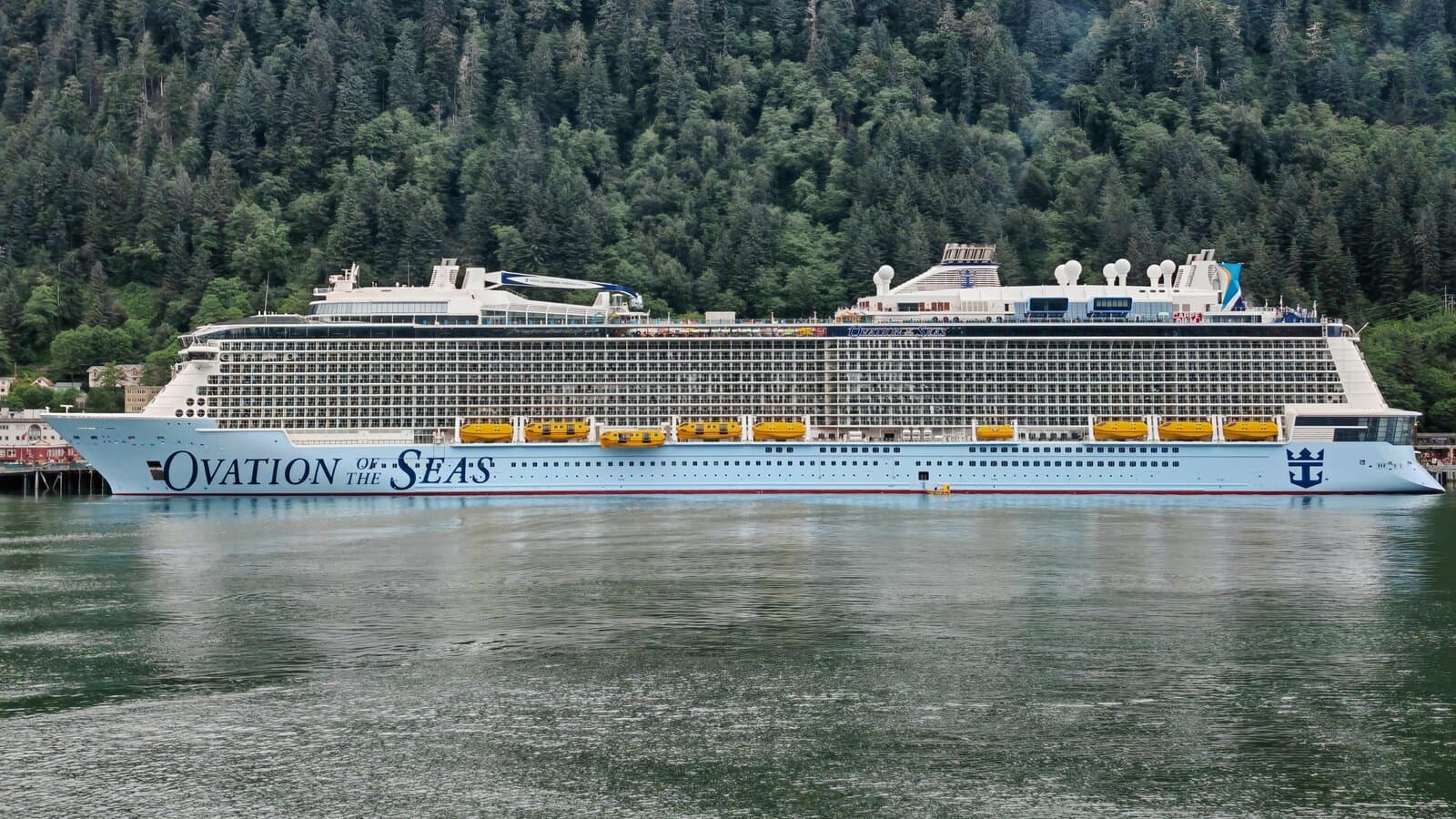
On June 19, 2026, Royal Caribbean's Ovation of the Seas docked in Seward, Alaska, with a dead 61-foot fin whale on its bow. Fin whales are listed as endangered under the Endangered Species Act. A necropsy by NOAA Fisheries, the Alaska SeaLife Center and Alaska Veterinary Pathology Services found that the whale was pregnant and in good condition. NOAA's final report, released on November 16, attributes the deaths of the whale and her fetus to blunt force trauma from a vessel strike. The Center for Biological Diversity asked Royal Caribbean to slow its ships to 10 knots or less in important whale habitat, and released an analysis estimating that the ship was traveling between 15 and 20 knots. Royal Caribbean says the ship reported the strike immediately, that its officers are trained to detect and avoid whales, and that it is adding further measures. NOAA says the company approached it about strengthening its whale-strike avoidance efforts, including speed reduction protocols. The cruise industry's trade association says its members support measures that include speed reduction in sensitive areas.
Source and context
Reporting
About this source
Alaska's News Source reports NOAA's final necropsy findings and carries statements from a Royal Caribbean spokesperson and from the Center for Biological Diversity's oceans director, Miyoko Sakashita.
Archived copy (opens in a new tab)Before the quotation
Alaska's News Source reported NOAA's final necropsy findings and a Royal Caribbean statement that its shipboard officers receive whale awareness and detection training.
After the quotation
Alaska's News Source reported that NOAA's Anne Marie Eich said the agency is committed to working with vessel operators on the importance of reducing speed where practicable in areas with concentrations of whales.
How this statement is classified
The label describes this statement's response within the context above.
Why this label?
The Center says Royal Caribbean should do its part and slow its ships in whale hotspots like Seward, and that it will keep pushing until the company acts, so we labeled it Condemned.
- Recorded on
- Published here
More from this case
Read the full caseRoyal Caribbean says its officers are trained to detect and avoid whales
Royal Caribbean Group
“Protecting marine life is a serious responsibility across our fleet. All shipboard officers receive specialized whale awareness and detection training and follow bridge protocols to identify and avoid marine mammals wherever possible.”Read statement
Cruise industry group points to whale-protection measures after the Seward strike
Cruise Lines International Association
“In Alaska, cruise lines have also worked with NOAA and Glacier Bay National Park to support the Whale Alert Alaska program, a reporting and information-sharing tool that helps mariners identify areas of whale activity and navigate with greater awareness”Read statement
Marine ecologist Rick Steiner says cruise passengers would accept slower ships to protect whales
“This may add an hour or two to their transit time on approach to port, but surely their customers would accept an hour or two shorter port call in order to protect the whales they came here to see.”Read statement
Share or embed this statement
The embed keeps its attribution link to The Dispute Index. Credit the image to The Dispute Index and link to the statement page.
Cite this record
- Publisher
- The Dispute Index
- Title
- Center for Biological Diversity says Royal Caribbean should slow down in whale hotspots like Seward
- First published
- Last updated
- Permalink
- https://disputeindex.com/events/9624-after-noaa-s-final-report-the-center-for
Last updated marks the most recent saved version of this published statement.
The Dispute Index. "Center for Biological Diversity says Royal Caribbean should slow down in whale hotspots like Seward". First published: 2026-11-18. Last updated: 2026-11-18. https://disputeindex.com/events/9624-after-noaa-s-final-report-the-center-for