
FAA says data flooding its network made legacy equipment unstable and led to the ground stop
Federal Aviation AdministrationU.S. aviation regulator and operator of the air traffic control system, in a question-and-answer page on its website
The FAA says its older equipment became unstable when its telecommunications network was hit with about 1,000 connection attempts every 4 to 5 seconds, which disrupted communications with aircraft and radar feeds. It names a radar site in Amarillo, Texas, and a radio site in El Dorado, Arkansas, where L3Harris had deployed a new router, and says its upgrades did not cause the outage.
“The FAA's legacy equipment became unstable when data began flooding the FAA FTI network, at a rate of 1,000 connection attempts every 4 to 5 seconds. This disrupted the system and created instability with aircraft communications and radar feeds.”
Official statement
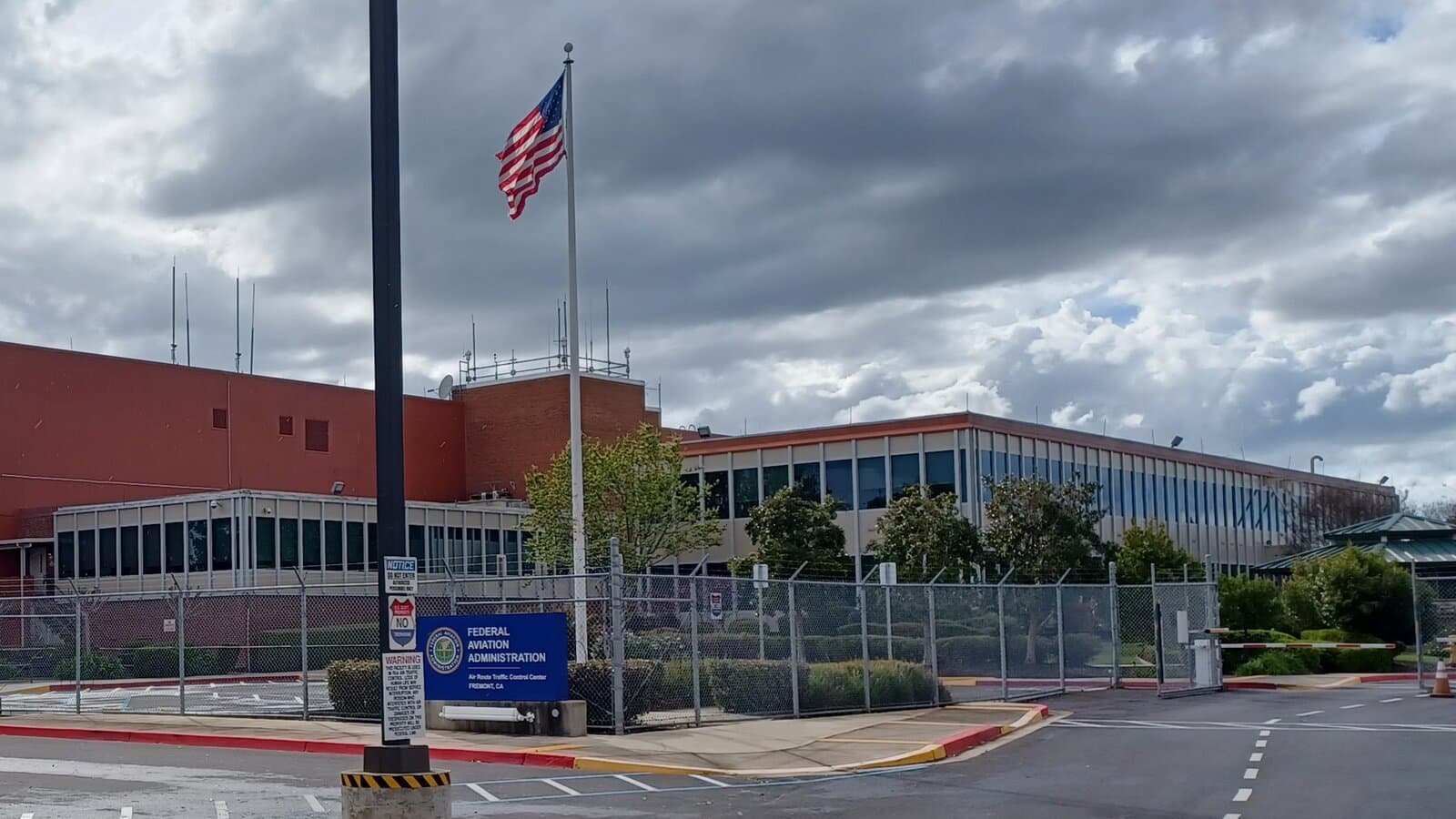
Where this statement fits
Duffy and the FAA blame a router installation in Arkansas for the nationwide ground stop; critics question the explanation
The Federal Aviation Administration halted departures at U.S. airports for nearly five hours on November 13, 2026, after communications and radar feeds became unstable at 17 of its 22 Air Route Traffic Control Centers. Transportation Secretary Sean Duffy first said old switches and routers had been overloaded with data. He and the FAA later traced the problem to a new router that contractor L3Harris was installing at a radio site in El Dorado, Arkansas, and to a radar site in Amarillo, Texas, and said the agency's aging network, not its modernization program, was to blame. Senate Democrats, former Transportation Secretary Pete Buttigieg, Rep. James Walkinshaw, a former NTSB investigator and Jon Stewart questioned that account. The FAA said on November 17 that it would pause installing the new routers while the investigation continues.
Source and context
Official statement
About this source
The FAA's account of the November 13 ground stop. It says data flooding the agency's telecommunications network made legacy equipment unstable, names a radar site in Amarillo, Texas, and a radio site in El Dorado, Arkansas, where L3Harris was installing a new router, and says the agency's upgrades did not cause the outage.
Archived copy (opens in a new tab)Before the quotation
The FAA's page answers questions about the ground stop. It says the agency had a technical problem at about 3:30 p.m. Eastern on November 13 that led it to issue the stop out of an abundance of caution, and that air traffic resumed at 8:15 p.m.
After the quotation
The page says L3Harris blocked the two sites and the network stabilized, and that the broadcasting function was disabled on all the new routers. Asked whether upgrades and modernization caused the outage, it answers that the legacy TDM system caused the instabilities.
How this statement is classified
The label describes this statement's response within the context above.
Why this label?
The case concerns the Trump administration's explanation that a router being installed at an FAA site in Arkansas flooded the agency's aging network and caused the November 13 nationwide ground stop. The FAA, which gave that explanation, describes the cause and says its legacy equipment, not its upgrades, failed, without answering the criticism, so we labeled it Explained.
- Recorded on
- Published here
More from this case
Read the full caseAnderson Cooper says Duffy has been quick to point at L3Harris, citing a report that the FAA supervised the work
“Secretary Duffy has been quick to focus attention on L3Harris. The post new reporting suggests that whatever the company did, it did under tight hands-on federal supervision.”Read statement
Matthew L. Wald finds Duffy's router explanation plausible
“As a reporter who covered aviation for twenty years, I found Duffy's explanation to be plausible. If a glitch interferes with flight data, then it is prudent to prevent additional flights from taking off.”Read statement
Duffy says the El Dorado overload has been recreated but its root cause is not yet clear
“And I've been told by our national security three letter agencies that we weren't hacked, but I think it's important that we have all precautions. So I asked Kash to send me part of his FBI team to be part of the analyzing of this router. We've been able to recreate what happened in El Dorado, but the root cause of what happened, we don't have clarity yet. And I promise all of you that when I know what happened with that router, injecting that overload into our system, I will most definitely share that with you.”Read statement
Share or embed this statement
The embed keeps its attribution link to The Dispute Index. Credit the image to The Dispute Index and link to the statement page.
Cite this record
- Publisher
- The Dispute Index
- Title
- FAA says data flooding its network made legacy equipment unstable and led to the ground stop
- First published
- Last updated
- Permalink
- https://disputeindex.com/events/9553-the-faa-says-its-older-equipment-became-unstable
Last updated marks the most recent saved version of this published statement.
The Dispute Index. "FAA says data flooding its network made legacy equipment unstable and led to the ground stop". First published: 2026-11-18. Last updated: 2026-11-18. https://disputeindex.com/events/9553-the-faa-says-its-older-equipment-became-unstable