
Survivors' lawyer Jennifer Plotkin says quashing the Blanche subpoena would let the government avert accountability
Jennifer C. PlotkinLawyer for the plaintiffs at Merson Law, in an opposition she signed with co-counsel
In the plaintiffs' opposition, their lawyers argue that Blanche's reported remarks to survivors go to the central question in discovery and that blocking his deposition would let the government avoid accountability at the victims' expense.
Responding to
Attorney General Todd Blanche has no unique personal knowledge of the FBI policies or the administrative claims at issue in the limited jurisdictional discovery, so the survivors cannot show the extraordinary circumstances needed to depose him.
“Quashing this subpoena would again allow the Government avert accountability and transparency at the expense of the victims.”
Original text
Where this statement fits
Epstein survivors subpoena Attorney General Todd Blanche in their suit against the FBI; the Justice Department calls the request extraordinary, and a magistrate judge blocks the deposition for now
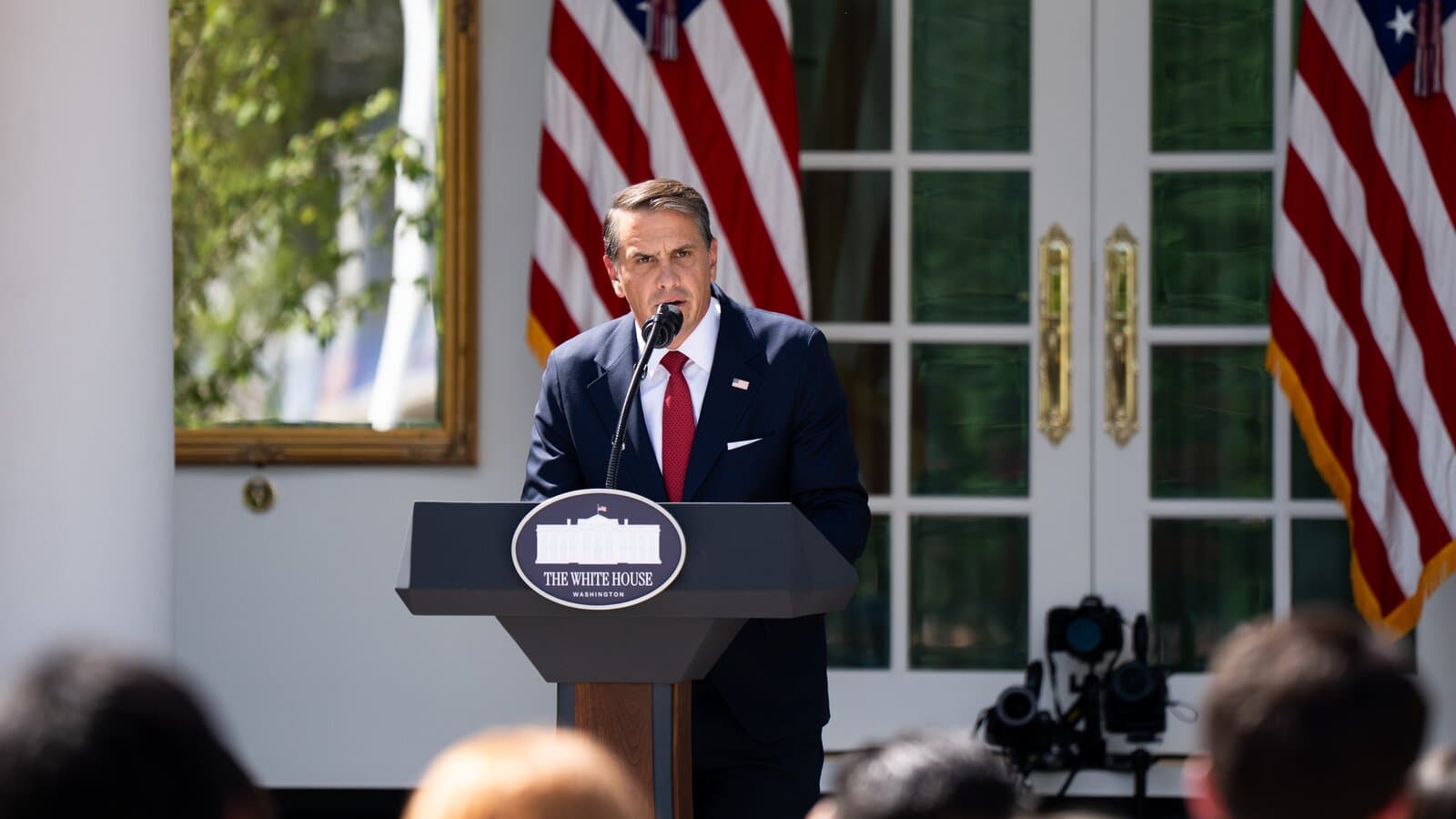
A group of women who say Jeffrey Epstein abused them are suing the United States in federal court in Florida under the Federal Tort Claims Act. They allege the FBI negligently failed to act on tips and complaints about Epstein for years. The court has limited discovery for now to whether mandatory FBI policies governed how agents handled such reports, a question that decides whether the government is shielded from the suit. On or about October 9, 2026, the plaintiffs subpoenaed Attorney General Todd Blanche for a deposition in New York and for any and all documents about Epstein. Declarations filed by their lawyers and two plaintiffs say that at a July 16, 2026 meeting with survivors in Washington, Blanche said the FBI's case against Epstein was handled improperly before 2007 and told them they "got screwed over by the FBI." The Justice Department moved on October 26 to quash the subpoena, arguing that a sitting cabinet official may be deposed only in extraordinary circumstances and that Blanche has no unique knowledge of the issues in discovery. On November 5, Magistrate Judge Ryon M. McCabe entered a protective order barring the deposition until written discovery and the FBI's own witness deposition are complete, and allowed the plaintiffs to send Blanche up to ten written questions about his July 16 remarks. The government objected to that order on November 12, and the district judge ordered the plaintiffs to respond by November 16.
Source and context
Original text
About this source
The plaintiffs' response, which cites declarations from two of their lawyers and two plaintiffs about a July 16, 2026 meeting with Blanche and argues that he is the only government employee who has spoken to whether the FBI could ignore the complaints about Epstein.
Archived copy (opens in a new tab)Before the quotation
The filing says the only dispute is whether the FBI had discretion to ignore complaints about Epstein, that Blanche told survivors the FBI failed to properly investigate before 2007, and that the government's motion did not address that meeting even after the plaintiffs' lawyers raised it.
After the quotation
The filing says the government has not produced a single document or witness in discovery and asks the court to let the deposition go ahead.
How this statement is classified
The label describes this statement's response within the context above.
Why this label?
Plotkin's filing says the motion to quash would let the government avert accountability and transparency at the victims' expense, and calls the government's opposition unjustified, so we labeled it condemns.
- Recorded on
- Published here
More from this case
Read the full caseKatie Phang says Blanche's remarks undercut the government's claim that the FBI had discretion
“If the FBI had discretion, then how did it fail to properly investigate?”Read statement
Magistrate Judge McCabe bars Blanche's deposition for now but lets the survivors ask him written questions
“At the conclusion of all written discovery and the upcoming Rule 30(b)(6) deposition, Plaintiffs may renew their request to depose Attorney General Blanche, upon a proper showing of "extraordinary circumstances" or "special needs" after the exhaustion of other available discovery methods. In the meantime, the Court GRANTS the Government's motion for entry of a protective order. The deposition may not proceed without further order of the Court.”Read statement
Justice Department calls the survivors' bid to depose Attorney General Blanche extraordinary and asks the court to quash it
United States Department of Justice
“Plaintiffs' request is extraordinary. The deposition of a sitting cabinet official in civil litigation is almost always improper, save for specific circumstances Plaintiffs come nowhere close to establishing.”Read statement
Share or embed this statement
The embed keeps its attribution link to The Dispute Index. Credit the image to The Dispute Index and link to the statement page.
Cite this record
- Publisher
- The Dispute Index
- Title
- Survivors' lawyer Jennifer Plotkin says quashing the Blanche subpoena would let the government avert accountability
- First published
- Last updated
- Permalink
- https://disputeindex.com/events/8990-in-the-plaintiffs-opposition-their-lawyers-argue-that
Last updated marks the most recent saved version of this published statement.
The Dispute Index. "Survivors' lawyer Jennifer Plotkin says quashing the Blanche subpoena would let the government avert accountability". First published: 2026-11-15. Last updated: 2026-11-15. https://disputeindex.com/events/8990-in-the-plaintiffs-opposition-their-lawyers-argue-that