
Popova says the turn toward associate membership is not a reaction to one administration
Maria PopovaMcGill University political scientist and co-director of the Jean Monnet Centre Montreal, writing in Policy Magazine
Popova argues that Canada's move toward associate membership is a long-term commitment rather than a reaction to the Trump administration that could easily be reversed.
“It is a mistake to treat all this as a reaction to one administration, and to assume it would easily be reversed. A fixed timeline, a new category of association built from scratch, and a foreign policy reoriented around economic security, defence and sovereignty are not the impulsive actions of a country either in a snit or hedging its bets.”
Original text
Where this statement fits
Should Canada become an associate member of the European Union?
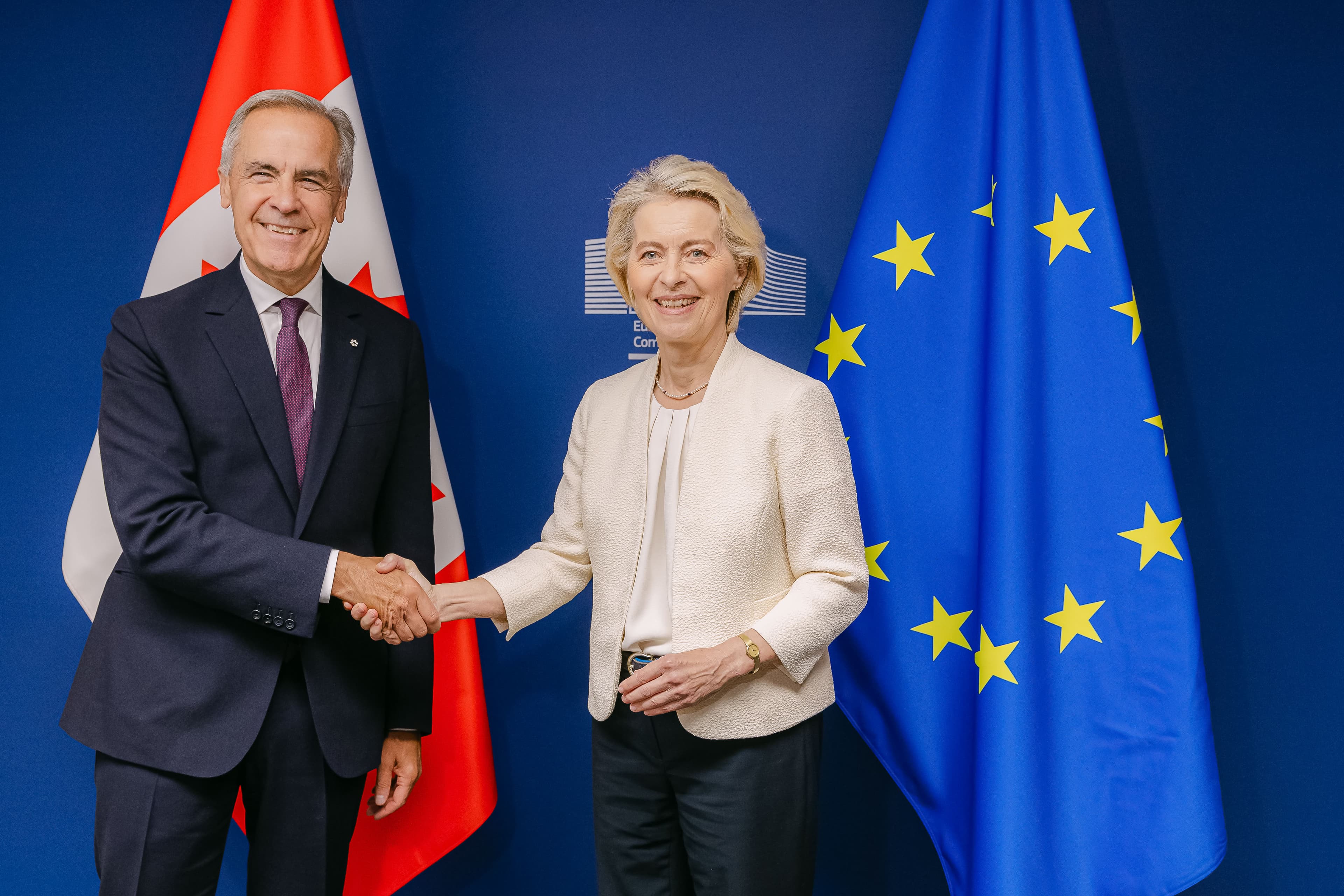
In her State of the European Union address on 16 September 2026, European Commission President Ursula von der Leyen said she would like to work with Prime Minister Mark Carney on opening the door for Canada to be the first associate member of the European Union, as part of moving beyond the existing CETA trade agreement to what she called an Alliance for the Future. Carney, present as an invited guest, told the European Parliament the following day that Canada welcomes the ambition, while attributing the associate-member phrase to von der Leyen rather than adopting it, and promised debates and a vote in the Canadian Parliament on the final structure. Conservative leader Pierre Poilievre set red lines against Canadians paying taxes to Brussels, following European laws they did not vote on, or adopting European immigration policy. United States President Donald Trump said that if he judged the arrangement a hostile act he would impose heavy tariffs on Europe or curtail trade. No agreement has been signed, and associate membership is not a status defined in the European Union's treaties.
Source and context
Original text
About this source
Policy Magazine column by McGill political scientist Maria Popova on what the Montreal summit showed about associate membership, its timeline and Canadian foreign policy.
Before the quotation
Popova argues that the summit showed associate membership becoming a new EU category of close cooperation, open to non-European countries and without pooled sovereignty, and that talks could finish within a year, with negotiations at cabinet level in March and Carney joining the European Council in June.
After the quotation
She closes by calling the summit's outcomes the makings of a long-term commitment shared by Canada and the EU.
How this statement is classified
The label describes this statement's response within the context above.
Why this label?
Popova argues that Canada's turn toward associate membership is a values-based, long-term commitment and not a reaction to one administration, writing that it is a mistake to treat it that way or to assume it would easily be reversed. She expects the talks to move quickly and expects little division over it in Canada, which supports the arrangement.
- Recorded on
- Published here
More from this case
Read the full caseAdam Legge says Alberta business wants closer EU ties without stricter European standards
“We want to just make sure that if we are going to become an associate member, have greater trade ties with Europe, that we're not beholden to excessively stringent European standards”Read statement
David Collins tells MPs the associate-membership terms are too vague to assess
“It is very difficult to assess the implications of Canada's potential associate membership, alliance, or partnership with the European Union when we have no clear idea precisely what these terms mean”Read statement
Beege Welborn says the promises in Carney's EU alliance video are at odds with Europe today
“And the promises in it are so totally at odds with what actually happens in an EU takeover, what Europe looks like at this moment - which is what the PM is courting - that it's breathtaking in its bald-faced mendacity.”Read statement
Share or embed this statement
The embed keeps its attribution link to The Dispute Index. Credit the image to The Dispute Index and link to the statement page.
Cite this record
- Publisher
- The Dispute Index
- Title
- Popova says the turn toward associate membership is not a reaction to one administration
- First published
- Last updated
- Permalink
- https://disputeindex.com/events/7762-popova-argues-that-canada-s-move-toward-associate
Last updated marks the most recent saved version of this published statement.
The Dispute Index. "Popova says the turn toward associate membership is not a reaction to one administration". First published: 2026-11-02. Last updated: 2026-11-23. https://disputeindex.com/events/7762-popova-argues-that-canada-s-move-toward-associate